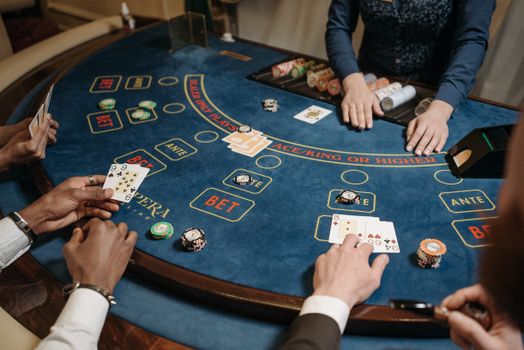
Japan’s unique approach to gambling has long been a topic of fascination. While land-based casinos were illegal until recently, the country’s deep-rooted love for games of chance—especially pachinko—has made it a powerhouse in the global gambling market in unorthodox ways. Now, with the recent legalization of integrated resorts (IRs) and a distinctive blend of tradition and innovation, Japan’s gambling scene is not just evolving domestically; it's sending ripples across the world. In this article, we’ll explore how Japan’s gambling culture, regulatory strategies, and technological innovations are influencing global trends, shaping the future of the industry far beyond its own shores.
Japan's Gambling Landscape: A Blend of Heritage and Modernity
To understand how Japan is influencing the global gambling scene, it’s essential to first grasp what makes its own landscape unique. Gambling in Japan has historically been restricted, with most forms outlawed under the Criminal Code. However, several exceptions exist, most notably:
- $1 Over 7.6 million Japanese played pachinko in 2022, generating an estimated $200 billion annually—more than Las Vegas, Macau, and Singapore combined. - $1 Betting on horse racing, bicycle racing (keirin), powerboat racing, and motorcycle racing is legal and strictly regulated. - $1 The national lottery, or takarakuji, is another legal and popular form of gambling.Pachinko stands out as a social phenomenon, bridging entertainment, gambling, and tradition. Unlike traditional slot machines, pachinko is a hybrid of pinball and slots, and it has deeply influenced Japanese pop culture, with themed parlors and collaborations with anime and gaming franchises.
.png)
In 2018, Japan passed the Integrated Resort Implementation Bill, paving the way for the country’s first legal casinos, expected to open in the late 2020s. This move signals both a break from tradition and an embrace of global trends, setting the stage for Japan to become a key influencer on the world stage.
Regulatory Precision: Japan’s Model for Responsible Gambling
One of the most significant ways Japan is impacting global trends is through its cautious and highly regulated approach to gambling expansion. Unlike many countries that have rapidly liberalized their gambling sectors, Japan has taken a slow, methodical path. The government’s regulatory framework emphasizes:
- $1 Only three integrated resort licenses have been approved, with operators subjected to rigorous vetting. - $1 Residents are limited to three casino visits per week or 10 per month, and must pay a ¥6,000 (about $40) entrance fee each time, aimed at deterring excessive gambling. - $1 Operators must adhere to strict anti-money laundering protocols and regular audits.This careful approach is now being studied by policymakers worldwide. For example, Singapore adopted similar visitation limits and high entry fees for residents when developing Marina Bay Sands and Resorts World Sentosa, citing Japan’s deliberative model as a reference.
Pachinko: Exporting a Cultural Phenomenon
While Western slot machines and table games dominate in many markets, pachinko’s rise has inspired global operators to think differently about game design and player engagement. Pachinko parlors number over 8,000 in Japan, making it one of the country’s most accessible leisure activities.
Recent years have seen elements of pachinko incorporated into digital slot games and social casino apps worldwide. For instance, US-based gaming developers have released mobile games mimicking pachinko’s mechanics, blending skill and chance in ways that appeal to younger, tech-savvy audiences. Companies like Konami and Sega Sammy have exported their gaming expertise, supplying both hardware and intellectual property to casinos and online platforms abroad.
Moreover, pachinko’s integration with anime, video game characters, and pop culture icons has set a trend for themed gaming experiences globally. In the US, for example, slot machines now routinely feature franchises like “Game of Thrones” and “The Walking Dead,” echoing Japan’s fusion of entertainment and gambling.
Technological Innovation: Leading the Smart Casino Revolution
Japan’s reputation as a tech innovator is now extending to the gambling sphere, influencing how casinos and gaming companies around the world leverage technology to enhance the customer experience.
Key innovations include:
- $1 Japanese IRs are expected to implement advanced surveillance systems using facial recognition, both for security and for monitoring problem gambling. - $1 Given Japan’s cash-light society, casinos are preparing to integrate cashless payment options, which streamline operations and reduce the risk of money laundering. - $1 Japanese gaming operators are investing heavily in data analysis to personalize marketing, optimize game offerings, and enhance customer retention.These trends are being watched closely by global casino operators. For example, Las Vegas Sands and MGM Resorts have both cited Japanese technological approaches as models for their new projects in other countries.
Comparative Overview: Japan vs. Global Gambling Markets
To better understand Japan’s influence, let’s compare some key statistics and policy differences with other major gambling markets:
| Aspect | Japan | Macau | Las Vegas | Singapore |
|---|---|---|---|---|
| Annual Gambling Revenue (2022) | $200B (pachinko) | $42.2B | $7.6B | $5.9B |
| Casino Licenses | 3 (planned) | 6 | 133 | 2 |
| Resident Entry Fee | ¥6,000 ($40) | None | None | S$150 ($113) |
| Pachinko Parlors | 8,000+ | 0 | 0 | 0 |
| Problem Gambling Measures | Strict limits on visits | Self-exclusion available | Self-exclusion available | Visit limits, exclusion |
As shown, Japan’s unique blend of high-volume, quasi-legal gambling (pachinko), tight regulation, and technological sophistication sets it apart from established markets. Its policies are increasingly being referenced as benchmarks for responsible gambling and innovation.
Influence on Global Gambling Policy and Business Strategy
The international gambling industry is paying close attention to Japan’s entry into the casino market, not only for its lucrative potential but also for the strategic insights it offers.
Some key impacts include:
- $1 Major global operators—including MGM Resorts, Caesars, and Wynn—have invested over $1 billion in bids and partnerships to secure a foothold in Japan, signaling the country’s perceived influence and market potential. - $1 Countries considering gambling liberalization, such as Thailand and Brazil, have cited Japan’s staged approach and public consultation processes as models. - $1 International casinos are now rethinking their offerings to incorporate more skill-based games and culturally themed experiences, inspired by Japan’s entertainment-driven approach.In 2023, the International Casino Exhibition (ICE) in London featured a “Japan Pavilion,” where Japanese game developers showcased innovations now being adopted by operators in Europe, North America, and Southeast Asia.
The Future: Japan as a Global Gambling Trendsetter
Japan’s influence on global gambling is poised to grow as its integrated resorts open and new technologies roll out. With Osaka’s IR project expected to draw up to 20 million visitors annually by 2030, the world will be watching how Japan balances tourism, tradition, and responsible gaming.
Experts predict several future trends, including:
- $1 Inspired by Japan’s approach, casinos worldwide are investing more in non-gaming attractions—theme parks, concerts, and cultural exhibitions—to attract a broader audience. - $1 Japan’s rigorous responsible gambling measures may set new international standards, especially as online and mobile gambling proliferate. - $1 Partnerships between gaming operators, tech firms, and entertainment companies are likely to increase, echoing Japan’s integrated approach.As other countries look to Japan for inspiration, it’s clear that the nation’s unique blend of heritage, innovation, and regulation is transforming the future of gambling worldwide.