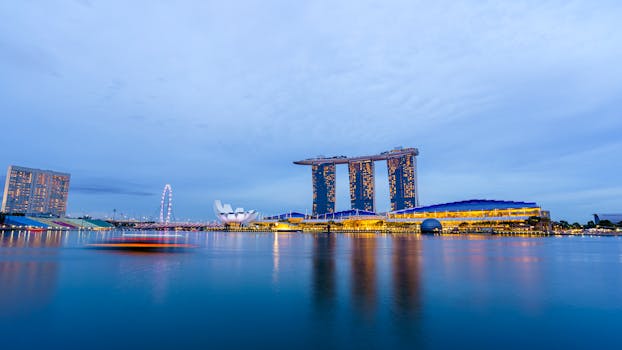
The emergence of the Japanese casino industry represents a pivotal development in the country's entertainment and tourism sectors. With its unique approach of integrating casinos within larger entertainment and hospitality complexes, Japan is setting a new standard in how casino operations can contribute to a broader economic ecosystem. Below, we delve deeper into the nuances of this industry, its implications, and future prospects.
Historical Context and Legislative Changes
Historically, gambling in Japan was restricted to specific formats like pachinko, lottery, and betting on public sports such as horse racing. The shift towards integrating casinos within entertainment complexes reflects a significant policy change aimed at revitalizing the economy and enhancing Japan's appeal as a global tourist destination.
.png)
The critical legislative milestone came in 2016 when the Japanese Diet passed a law that paved the way for the establishment of integrated resorts (IRs). This was followed by further regulations to ensure responsible gambling and to prevent excessive gambling behaviors.
Economic Contributions and Challenges
The potential economic impact of integrated resorts in Japan is substantial. These complexes are designed to be multifaceted, with casinos being just one of many attractions. The broader appeal of these resorts lies in their ability to draw tourists for various activities, including gaming, conferences, cultural experiences, and culinary adventures.
However, the development of these massive complexes comes with significant economic challenges:
- Initial Investment: The cost of developing integrated resorts is immense, often running into billions of dollars. This high barrier to entry can limit the number of players in the market.
- Cultural Resistance: There is still substantial public opposition and skepticism towards gambling. This cultural resistance can impact the growth and acceptance of IRs within local communities.
Regulatory Framework
Japan has established a Casino Administration Committee to oversee the operation of casinos within the IRs. The regulatory framework focuses on ensuring that the negative impacts of gambling, such as addiction and potential involvement in crime, are minimized. Regulations include limitations on the number of visits residents can make to casinos, entry fees to discourage frequent low-stakes gambling, and stringent checks on casino operators.
International Comparisons and Lessons
When compared to regions like Las Vegas or Macau, where standalone casinos are the norm, Japan's integrated resort model offers a holistic entertainment experience. This could potentially offer lessons to other regions about integrating gambling within a larger tourism and economic framework, potentially leading to more sustainable and less controversial casino operations.
Future Outlook and Strategic Considerations
Looking ahead, the success of Japan's casino industry will largely depend on how well it can integrate into the broader tourism and economic strategies of the country. Strategic considerations include:
- Marketing and Global Positioning: Effectively marketing Japan's integrated resorts on the global stage as premier destinations for not just gambling but a complete tourist experience.
- Infrastructure Development: Ensuring that infrastructure around IRs supports the influx of tourists, with adequate transportation, safety measures, and ancillary services.
- Continuous Monitoring and Adaptation of Regulations: As the industry evolves, so too must the regulations governing it to ensure they remain relevant and effective in mitigating risks.
Conclusion
Japan's foray into the casino industry through integrated resorts represents an innovative blend of entertainment, business, and tourism. While there are challenges inherent in introducing and expanding casino operations within a conservative societal framework, the strategic benefits—economic stimulation, employment generation, and enhanced global tourism appeal—are compelling. Stakeholders, including policymakers, investors, and community leaders, must navigate this landscape thoughtfully to fully realize the potential of integrated resorts in Japan.