The world of gambling in Japan is a fascinating tapestry woven from centuries-old traditions and the rapid march of modernity. Once characterized by strict taboos, clandestine bets, and deeply rooted cultural practices, Japan’s gambling landscape is now in the midst of a historic transformation. From the vibrant clatter of pachinko parlors to the introduction of integrated casino resorts, the journey of gambling in Japan mirrors the nation’s broader balancing act between preserving heritage and embracing innovation. But what has driven this metamorphosis, and how does it shape the social and economic future of Japan? Let’s take a closer look at how gambling has evolved from tradition to modernity in the Land of the Rising Sun.
Historical Roots: Gambling in Ancient and Feudal Japan
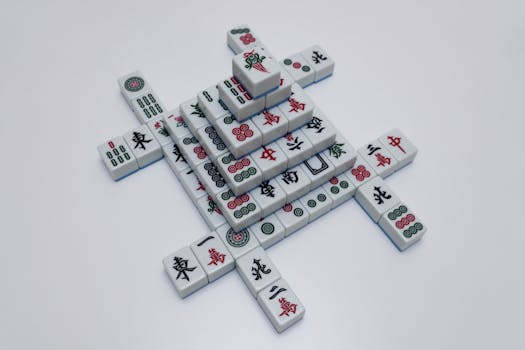
Gambling has a long, colorful history in Japan, stretching back to the earliest records of the Nara and Heian periods (8th-12th centuries). Early forms of gambling often revolved around simple games of chance, such as dice (sugoroku) and shell-matching (kai-awase). Sugoroku, which resembled backgammon, was so widespread that the government issued repeated bans on it as early as the 13th century.
The Edo period (1603-1868) saw gambling flourish among commoners in urban centers. Lotteries (takarakuji) and card games like hanafuda became popular despite periodic prohibitions. The Yakuza, Japan’s organized crime syndicates, operated many illicit gambling dens, cementing gambling’s association with the underworld.
.png)
By the late 19th century, as Japan modernized rapidly during the Meiji Restoration, the government began to regulate and control gambling activities more strictly. Despite repeated crackdowns, gambling found ways to persist—albeit underground or disguised as legitimate entertainment.
Pachinko: Japan’s Unique Gambling Phenomenon
No discussion of Japanese gambling is complete without mentioning pachinko, the country’s most iconic and widespread form of gaming. Introduced in the 1920s as a children’s toy, pachinko quickly evolved into a national pastime. By the post-war era, it had become Japan’s answer to slot machines.
Pachinko parlors are a fixture in virtually every city and town, with an estimated 7,600 parlors nationwide as of 2023. The industry generates staggering revenues: in 2022, the total pachinko market was valued at around 14.6 trillion yen (roughly $110 billion USD), eclipsing even the combined revenues of Las Vegas and Macau.
What makes pachinko unique is its legal grey area. Technically, gambling for cash is banned in Japan. Pachinko sidesteps this by awarding players with tokens or prizes, which can then be exchanged for cash at nearby “exchange centers”—a legal loophole that has sustained the industry for decades.
Public Perception and Social Stigma
Gambling in Japan has long been shadowed by social stigma and strict moral codes. For much of the 20th century, public attitudes associated gambling with crime, addiction, and social decay. This perception was partly shaped by the prevalence of illegal gambling dens and the involvement of criminal organizations.
A 2019 survey by the Japan Productivity Center found that 72% of Japanese respondents viewed gambling negatively, citing concerns about addiction and societal harm. The government has responded with strict regulations, limiting legal gambling to certain “public sports” (such as horse racing, keirin cycling, and boat racing) and tightly controlling their operation.
Despite these restrictions, gambling remains a deeply embedded part of Japanese culture, from local festivals featuring lottery-style raffles to the ubiquitous pachinko parlors. The tension between cultural acceptance and social stigma continues to shape the evolution of gambling in Japan.
The Legal Turning Point: Integrated Resorts and Casino Legislation
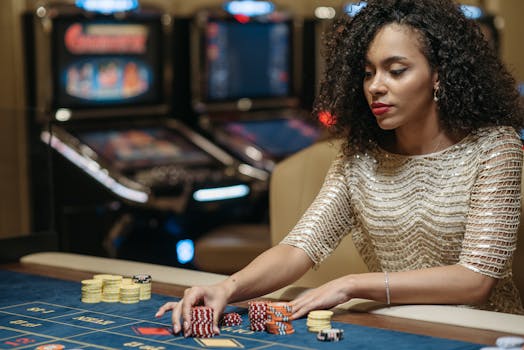
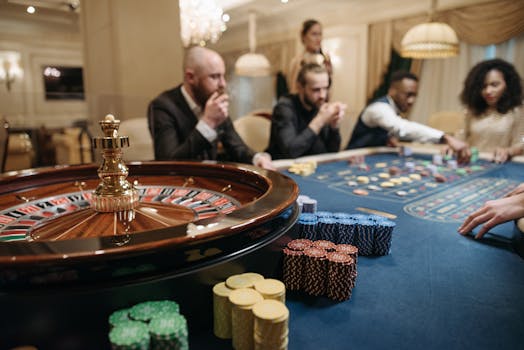
The most significant shift in Japan’s gambling landscape came in 2016 with the passage of the Integrated Resort (IR) Promotion Law. This landmark legislation paved the way for the development of large-scale casino resorts, aiming to boost tourism and local economies.
Japan’s first integrated casino resort is expected to open in Osaka in 2029, with projected annual revenues of up to 520 billion yen (approximately $4 billion USD). The government has set strict criteria, including caps on the number of casinos (initially three), entry fees for Japanese residents, and mandatory measures to address problem gambling.
The IR initiative is designed to attract foreign tourists—Japan welcomed over 31 million international visitors in 2019, before the pandemic—and to create new jobs and infrastructure. However, it has also reignited debates about social risks, regulation, and the preservation of Japanese culture.
Comparing Traditional and Modern Gambling Forms in Japan
To better understand the transformation, it’s useful to compare the characteristics, legal status, and economic impact of traditional and modern forms of gambling in Japan. The table below provides a concise overview:
| Gambling Form | Historical Period | Legal Status | Annual Revenue (2022) | Social Perception |
|---|---|---|---|---|
| Sugoroku & Hanafuda | 8th-19th Century | Mostly prohibited | Unknown | Family/Community pastime, often illicit |
| Pachinko | 1920s-present | Legal, heavily regulated | 14.6 trillion yen | Mixed – mainstream yet stigmatized |
| Public Sports Betting | 20th Century-present | Legal (specific sports) | 6.6 trillion yen | Generally accepted |
| Integrated Casino Resorts | 2020s onward | Legal (selected zones) | Projected 520 billion yen | Controversial, debated |
Technology and the Digital Shift
While traditional gambling persists, modern technology has introduced new dynamics. The rise of the internet and smartphones has made online betting and games more accessible than ever. Although most online gambling remains technically illegal for Japanese residents, offshore sites and proxy services have created a booming gray market.
A 2021 estimate by the Japan Casino Regulatory Commission indicated that over 3 million Japanese adults engage in some form of online gambling each year, despite legal risks. This has prompted calls for updated laws and stricter enforcement, as well as debates over how to harness potential tax revenues while protecting consumers.
In parallel, digital payment systems, artificial intelligence, and advanced surveillance are transforming how gambling venues operate. Modern pachinko parlors use facial recognition and cashless systems, while proposed integrated resorts are expected to feature state-of-the-art technology for security and responsible gaming.
Cultural Continuity: Festivals, Rituals, and Community Gambling
Despite the march toward modern casinos and digital gaming, traditional forms of gambling remain alive in Japanese festivals and community events. Many matsuri (festivals) feature lotteries, raffles, and small betting games, echoing centuries-old customs. These activities are often seen as harmless fun, reinforcing social bonds and local identity.
For example, the “omikuji” fortune-telling slips found at Shinto shrines are a form of randomized chance deeply embedded in spiritual practice. Similarly, community bingo games and raffle draws are regular features at neighborhood gatherings.
These traditions illustrate how gambling, in various forms, continues to play a role in Japanese life—bridging the gap between past and present, and demonstrating the adaptability of cultural practices.
Conclusion: Balancing Heritage and Innovation
Japan’s journey from traditional, often clandestine gambling to regulated, high-tech gaming reveals much about the nation’s broader cultural and economic evolution. While the stigma and legal complexities surrounding gambling persist, the acceptance of new forms—especially integrated casino resorts and digital betting—signals a willingness to balance heritage with the demands of a modern, globalized economy.
As Japan prepares to open its first major casinos and grapples with the challenges of online gambling, the future remains uncertain but full of possibility. Will Japan find a harmonious balance between tradition and modernity, or will the rapid pace of change disrupt long-standing cultural norms? Only time will tell, but for now, the transformation of gambling in Japan stands as a vivid example of adaptation in a rapidly changing world.