Unraveling the Mystery of Mahjong: China's Favourite Gambling Pastime
Mahjong is more than just a game—it’s a cultural phenomenon that encapsulates the spirit of China and its people. From smoky backrooms in bustling cities to tranquil courtyards in rural villages, the click-clack of mahjong tiles can be heard echoing across the nation. For generations, mahjong has served as a social glue, a test of wit and skill, and, for many, an exciting gambling pastime. But how did this ancient tile game become so deeply entwined with China’s gambling culture? In this article, we’ll delve into the origins, rules, cultural significance, and modern-day appeal of mahjong, revealing why it remains China’s favourite gambling pastime.
The Origins and Evolution of Mahjong
The true origins of mahjong are shrouded in mystery, with legends tracing the game back to the time of Confucius (circa 500 BC). However, historians generally agree that mahjong as we know it today emerged during the Qing Dynasty (1644–1912), likely in the mid- to late-1800s. Originally played by the elite, the game quickly spread across all social strata due to its engaging mechanics and portability.
By the early 20th century, mahjong had reached not only every corner of China but also overseas Chinese communities in the United States, Southeast Asia, and beyond. The game even experienced a brief but wildly popular craze in the United States during the 1920s, with sales of mahjong sets reaching over 40,000 units per month at its peak. Today, there are numerous regional variations, but the core gameplay remains recognizable to any seasoned player.
.png)
Understanding Mahjong: Rules, Tiles, and Gameplay
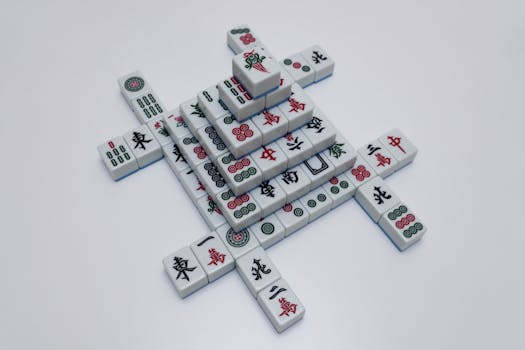
At its heart, mahjong is a game of skill, strategy, and calculation—often compared to rummy or poker. A standard mahjong set contains 144 tiles, though some regional versions may use more or fewer. The tiles are divided into three suits (Bamboo, Characters, and Circles), as well as honor tiles (Winds and Dragons) and bonus tiles (Flowers and Seasons).
Gameplay involves four players, each drawing and discarding tiles in an effort to assemble a winning hand. A standard winning hand consists of four sets (either three of a kind or a sequence of three) and a pair. While the rules may seem daunting at first, experienced players can finish a round in under 15 minutes.
Mahjong is a game of both luck and strategy. Players must balance the odds, read their opponents’ intentions, and sometimes bluff to achieve victory. The element of chance, combined with the need for skillful play, makes mahjong uniquely suited for gambling.
Mahjong and Gambling: A Symbiotic Relationship
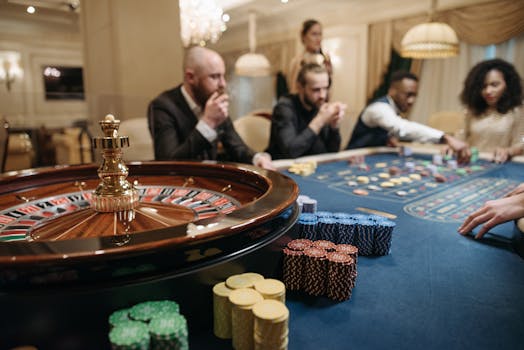
While mahjong can be played casually, its connection to gambling is deep-rooted in Chinese society. According to a 2021 survey by the China Social Sciences Academy, approximately 56% of adult Chinese have participated in some form of gambling, with mahjong being the most popular game. The thrill of betting adds an extra layer of excitement to each draw and discard, transforming a social gathering into a high-stakes competition.
In family gatherings or during festivals, it is common for small bets to be placed, with stakes ranging from a few yuan to hundreds. In some regions, mahjong parlors—known as "mahjong halls"—operate semi-legally, attracting both amateur players and serious gamblers. It’s estimated that the mahjong gambling market in China is worth over 60 billion yuan (about $8.5 billion USD) annually.
Despite China’s strict anti-gambling laws, mahjong occupies a cultural gray area. Authorities often turn a blind eye to low-stakes, social games, recognizing their importance as a traditional pastime. However, large-scale or organized gambling rings connected to mahjong are subject to crackdowns and legal penalties.
Mahjong in Modern China: Technology, Tournaments, and Trends
Mahjong has not just survived the digital age—it has thrived. Online mahjong platforms have exploded in popularity, especially since the COVID-19 pandemic forced millions indoors. In 2022, the number of online mahjong players in China surpassed 100 million, according to data from Statista. Mobile apps and online tournaments now allow players to compete against friends or strangers anytime, anywhere.
Competitive mahjong is also on the rise. The World Mahjong Organization, founded in 2006, hosts international tournaments with cash prizes, attracting players from over 30 countries. In 2019, the China Mahjong World Championship drew over 400 participants, with a prize pool of more than 1 million yuan ($140,000 USD). These tournaments emphasize skill over luck, and professional players often study tile distributions and probability for years to gain an edge.
Mahjong’s appeal extends beyond gambling. The game is increasingly recognized for its cognitive benefits. A 2017 study by the Shanghai Mental Health Center found that regular mahjong play can reduce the risk of dementia in elderly adults by up to 30%. The combination of memory, calculation, and social interaction keeps the mind sharp and engaged.
Comparing Mahjong to Other Chinese Gambling Games
Mahjong is not the only gambling game in China, but it is certainly the most iconic. How does it stack up against other popular games like pai gow and sic bo? The table below provides a side-by-side comparison:
| Game | Number of Players | Skill vs. Luck | Typical Bet Range | Estimated Market Size (China) |
|---|---|---|---|---|
| Mahjong | 4 | High Skill, Moderate Luck | ¥10–¥1,000+ | ¥60 Billion |
| Pai Gow | 2–8 | Moderate Skill, Moderate Luck | ¥20–¥2,000 | ¥10 Billion |
| Sic Bo | Any | Low Skill, High Luck | ¥5–¥500 | ¥5 Billion |
As the table shows, mahjong’s combination of skill, social interaction, and gambling potential gives it an edge over other games. It’s no wonder that it has become synonymous with leisure and risk-taking in China.
Mahjong’s Cultural Significance: More than Just a Game
Mahjong is woven into the fabric of Chinese life. It features prominently in literature, film, and even politics. During the Chinese New Year, mahjong tables appear in homes across the country, symbolizing luck, prosperity, and togetherness. For many, the game is a way to bond with family and friends, share stories, and pass down traditions.
Mahjong slang and metaphors have entered everyday language. Phrases like “drawing the winning tile” or “missing by one tile” are used to describe narrow escapes or missed opportunities in life. The game’s influence extends to art and fashion, with mahjong motifs appearing on everything from jewelry to movie posters.
Despite its association with gambling, mahjong is also a tool for social harmony. In cities like Shanghai and Beijing, community centers and retirement homes host daily mahjong sessions, providing elderly citizens with a sense of purpose and belonging. In rural areas, mahjong tournaments support local economies and foster community spirit.
The Future of Mahjong: Challenges and Opportunities
As China modernizes, mahjong faces both opportunities and challenges. Urbanization and changing lifestyles mean that fewer young people are learning the game from their elders. However, renewed interest through online platforms and televised tournaments is helping bridge the generational gap.
The Chinese government continues to grapple with the issue of gambling, balancing the cultural importance of mahjong against the risks of addiction and illegal betting. According to the China Center for Disease Control, gambling addiction rates have risen to 2.6% of the adult population, prompting new public awareness campaigns. Responsible gaming practices and stricter enforcement of anti-gambling laws may shape the future of mahjong as a gambling pastime.
Internationally, mahjong is gaining recognition as a mind sport, much like chess or bridge. The possibility of mahjong becoming an Olympic event has been discussed, reflecting the game’s global appeal and competitive potential.
Conclusion
Mahjong’s journey from Qing Dynasty parlors to digital platforms is a testament to its enduring appeal. It is a game of chance and strategy, of social connection and individual cunning. For millions of Chinese, mahjong is more than a pastime—it’s a way of life, a source of joy, and sometimes, a gamble worth taking. As China continues to change, one thing remains certain: the mystery and magic of mahjong will continue to captivate hearts and minds for generations to come.