Casinos in Japan: A Threat to Traditional Gambling?
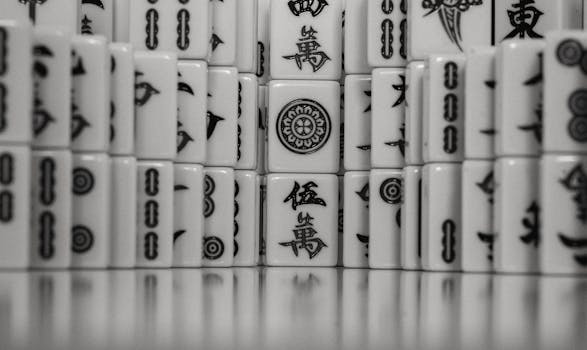
The recent legalization of casinos in Japan has ignited a debate on the future of traditional gambling in the country. As Japan opens its doors to integrated resorts (IRs) featuring casinos, questions arise about the fate of time-honored Japanese gambling games like Pachinko, Mahjong, and public sports betting.
Overview of the Current Gambling Landscape
.png)
Gambling in Japan has always been woven into the nation's culture, with traditional games such as Pachinko and various forms of public sports betting (like horse, bicycle, and boat racing) holding popularity. The government's move to introduce casinos in integrated resorts marks a significant shift in Japan's gambling scene.
Pros and Cons of Introducing Casinos
Pros:
- Economic Growth: The establishment of casinos is anticipated to enhance tourism, create job opportunities, and increase tax revenues. For instance, projections for the Osaka Integrated Resort suggest it could draw millions of tourists and generate over 15,000 jobs.
- Global Competitiveness: With neighboring countries like Macau and Singapore thriving in casino tourism, Japan's entry into this sector might boost its competitive edge in the tourism market.
Cons:
- Social Concerns: There is anxiety that casinos may exacerbate gambling addiction issues. Japan already faces challenges with gambling addiction, primarily linked to Pachinko, affecting an estimated 3.2 million people.
- Potential for Crime: Increased gambling facilities can also lead to heightened crime rates, including money laundering and fraud.
Impact on Traditional Gambling
The allure of casinos might overshadow traditional gambling practices, potentially diminishing the popularity and cultural significance of games like Pachinko. This cultural shift could lead to a decline in the traditional gambling industry, affecting those who depend on it for livelihood.
Conversely, the rise of casinos could spur a renewed interest in all forms of gambling, including traditional games. By expanding the gambling market, traditional games might attract a new audience, preserving their cultural legacy while adapting to new market dynamics.
Practical Examples from Other Regions
An examination of other regions like Macau shows that traditional gambling can coexist with casino gambling. Macau’s traditional Chinese lottery game, Keno, continues to thrive despite the dominance of modern casinos, suggesting a possible pathway for Japan's traditional games to survive and even flourish.
Conclusion
The introduction of casinos in Japan presents both opportunities and challenges. Economically, it promises growth and international tourism appeal. Culturally and socially, it risks undermining traditional practices and exacerbating gambling-related issues. The Japanese government's role in implementing effective regulations and providing adequate support to mitigate these risks is crucial. As Japan navigates this new gambling era, the balance it strikes between modernization and tradition will significantly influence the cultural and economic landscape.