Japan’s relationship with gambling is as layered as its culture—marked by a blend of strict regulation, centuries-old traditions, and recent legal reforms. While the nation is famed for its unique forms of entertainment, such as pachinko and state-run lotteries, the socioeconomic effects of gambling in Japan reach well beyond gaming parlors and betting booths. Understanding these impacts is crucial, not only for policymakers and economists but also for ordinary citizens navigating the evolving landscape of entertainment, employment, and social welfare.
This article delves into the multifaceted socioeconomic effects of gambling in Japan, drawing on recent data, policy changes, and real-world examples to paint a comprehensive picture of how betting shapes both society and the economy.
The Landscape of Gambling in Japan: Tradition Meets Modern Reform
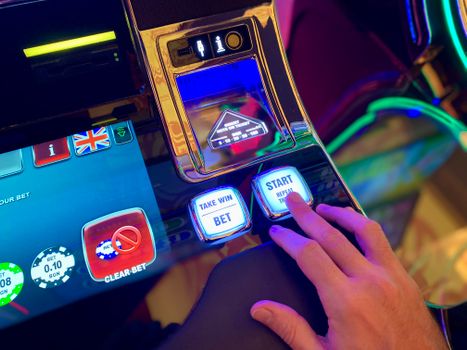
For decades, gambling in Japan was largely prohibited, with notable exceptions: the ubiquitous pachinko parlors, government lotteries (takarakuji), and certain public sports betting (keirin cycling, boat racing, and horse racing). The annual revenue from pachinko alone was estimated at over ¥19 trillion (approximately $130 billion USD) in 2022, making it a cornerstone of the Japanese entertainment industry.
.png)
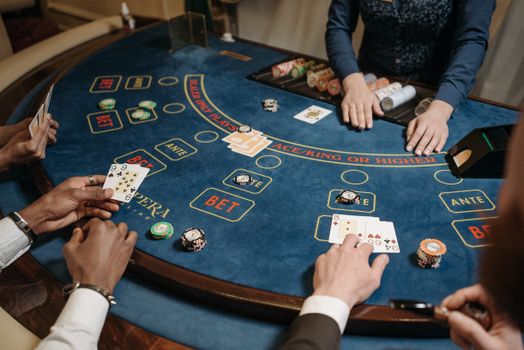
However, a significant shift occurred in 2016 when Japan passed the Integrated Resort (IR) Promotion Law, paving the way for casino resorts in a bid to boost tourism and local economies. The first casino licenses are expected to be granted in Osaka and Yokohama, with projected annual revenues upwards of ¥820 billion ($6 billion USD) per resort. This legal evolution is transforming the socioeconomic landscape of gambling, creating new opportunities and challenges.
Economic Benefits: Revenue, Employment, and Regional Revitalization
Gambling contributes substantial revenue to both the national government and local municipalities. In 2021, public gambling (lotteries, horse racing, and other government-approved betting) generated over ¥4.8 trillion ($35 billion USD) in gross sales. Local governments receive a share of these proceeds, funding infrastructure, public welfare, and cultural programs.
Employment is another significant impact. The pachinko industry alone employs approximately 250,000 workers nationwide, from machine engineers to customer service staff. With the advent of integrated resorts, the Japanese government estimates the creation of 80,000 new jobs directly and indirectly linked to casino operations, hospitality, and related service sectors.
For regions like Osaka, which has faced economic stagnation, the IR project is a beacon of hope. Local officials anticipate increased tourism, new business opportunities, and a revitalized urban landscape.
Social Costs: Problem Gambling and Public Health Concerns
Despite its economic upside, gambling poses serious social risks. A 2017 survey by the Ministry of Health, Labour and Welfare found that approximately 3.6% of Japanese adults—equivalent to 3.2 million people—were likely to experience gambling addiction at some point in their lives. This rate is higher than the global average of 1-2%, prompting public health experts to raise concerns.
Problem gambling manifests in various ways: financial hardship, increased debt, family breakdown, and even crime. The Japanese government recognizes these risks and has introduced stringent regulations, including restrictions on casino entry for locals (a maximum of three visits per week or ten per month) and mandatory entry fees of ¥6,000 (about $45 USD) per visit to deter excessive gambling.
Additionally, support programs for addiction recovery, including counseling and helplines, are being expanded. Still, critics argue that these measures may not be enough, especially as the gambling landscape continues to diversify.
Inequality and the Redistribution of Wealth
Gambling’s socioeconomic effects are not evenly distributed. Lower-income individuals are disproportionately represented among regular players of pachinko and government lotteries. According to a 2020 study by the Japan Productivity Center, households earning less than ¥4 million ($29,000 USD) annually spent nearly double the percentage of their income on gambling compared to those earning over ¥8 million ($58,000 USD).
This dynamic can exacerbate existing inequalities. While government revenues from gambling are often used for public projects, critics argue that these funds are, in effect, sourced from those least able to afford it. The debate continues as to whether gambling functions as a voluntary tax on the poor or a legitimate form of entertainment and economic stimulation.
To illustrate the contrast, here’s a comparative table showing the estimated annual spending on gambling by income group:
| Income Group | Average Annual Gambling Spend (¥) | Share of Income Spent on Gambling (%) |
|---|---|---|
| Less than ¥4 million | ¥120,000 | 3.0% |
| ¥4 million - ¥8 million | ¥95,000 | 1.5% |
| More than ¥8 million | ¥70,000 | 0.9% |
Impact on Local Communities: Urban Versus Rural Dynamics
The effects of gambling are felt differently in urban centers and rural areas. In cities like Tokyo and Osaka, gambling establishments are tightly regulated, and their economic contributions are significant but diffuse. Urban populations often have more access to addiction treatment and social services.
In contrast, rural communities may rely heavily on revenue from local pachinko parlors or betting centers to sustain municipal budgets. This dependence can create a cycle where struggling towns promote gambling to compensate for declining industries and populations. While this can provide a temporary economic boost, it also heightens the risks of social harm, as support services are often less accessible in rural regions.
A notable example is the city of Kitakyushu, where local officials have debated the merits and drawbacks of hosting large-scale gambling facilities. Proponents cite job creation and increased tax revenue, while opponents warn of rising addiction and potential damage to the community’s social fabric.
Cultural Perceptions and Changing Attitudes Toward Gambling
Historically, gambling in Japan has occupied a paradoxical space—simultaneously taboo and mainstream. While illegal casinos and underground betting have existed for decades, legal forms like pachinko have been woven into the fabric of daily life. The recent legalization of casinos marks a significant cultural shift, signaling greater acceptance of gambling as both entertainment and economic driver.
However, public opinion remains divided. According to a 2023 Nikkei survey, 54% of respondents supported restrictions on casino gambling for Japanese citizens, citing concerns about addiction and crime. At the same time, 41% believed that integrated resorts would benefit the economy, highlighting the tension between economic hope and social caution.
The government’s challenge is to balance these competing interests—fostering economic growth while safeguarding public health and social stability.
Policy Responses: Regulation, Prevention, and Future Directions
Japan’s approach to gambling regulation is among the strictest in the developed world. The IR Implementation Law, passed in 2018, sets rigorous standards for casino operations, including mandatory facial recognition technology to prevent entry by problem gamblers and organized crime affiliates. Operators must allocate a portion of revenues to gambling addiction prevention and community development.
Looking ahead, policymakers are closely monitoring the rollout of integrated resorts and their effects. The government has committed to regular reviews and the possibility of tightening regulations if adverse impacts outweigh benefits. International experts are watching Japan’s experiment as a potential model for balancing economic opportunity with social responsibility.
Socioeconomic Effects of Gambling in Japan: A Complex Balance
The socioeconomic effects of gambling in Japan are as nuanced as the society itself. While gambling brings undeniable economic benefits—revenue, jobs, and regional revitalization—it also carries significant social costs, particularly for vulnerable populations. The challenge for Japan is to harness the positives while mitigating the negatives, ensuring that the expansion of legalized gambling does not come at the expense of public health or social equity.
As the integrated resort era begins and gambling habits evolve, Japan’s experience offers valuable lessons for countries worldwide: regulation must be robust, social supports must be strong, and the voices of both beneficiaries and those at risk must be heard.