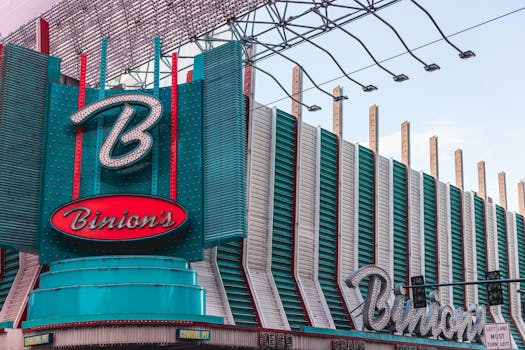
Las Vegas is a city that sparkles with neon lights, echoes with the sound of slot machines, and pulses to the rhythm of an endless parade of entertainment. Over the decades, it has not only become synonymous with gambling but has also evolved into a living reflection of American culture. From the glitz of the Strip to iconic performances and themed resorts, Las Vegas casinos have both shaped and been shaped by the unique dynamics of American society. This article explores how American culture has influenced the development, atmosphere, and global perception of Las Vegas casinos, examining everything from entertainment traditions to architectural styles, social values, and even the food served in the city’s most famous halls of chance.
American Entertainment Traditions: The Heartbeat of Las Vegas Casinos
The marriage between American show business and Las Vegas casinos is legendary. In the mid-20th century, as gambling became legal in Nevada, casino owners quickly realized that games of chance alone were not enough to attract the crowds. Instead, they turned to another quintessentially American industry: entertainment.
The Rat Pack era of the 1950s and 1960s saw Frank Sinatra, Dean Martin, and Sammy Davis Jr. turning casino showrooms into glamorous stages. This blend of gambling and entertainment became the blueprint for the modern casino experience. According to the Nevada Gaming Control Board, Las Vegas hosts over 22,000 live entertainment events each year, a testament to the city’s ongoing commitment to spectacle.
.png)
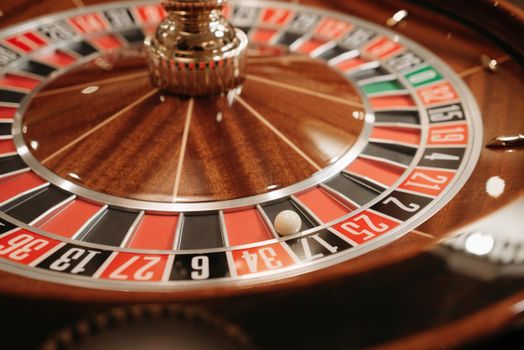
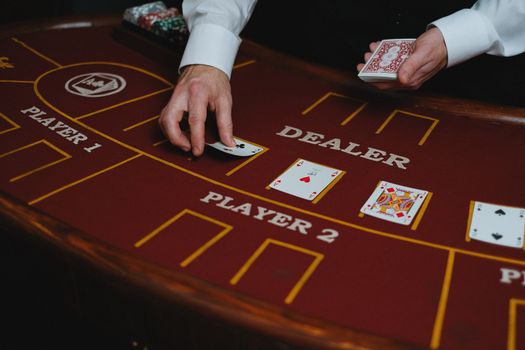
Today, superstar residencies, magic shows, and Cirque du Soleil productions are as much a part of the Las Vegas experience as blackjack and roulette. This emphasis on entertainment is rooted in American values: a love of spectacle, celebrity culture, and the desire to combine leisure activities for maximum enjoyment.
Architectural Grandeur: American Themes and Dreams Realized in Concrete
Las Vegas casinos are famous for their extravagant architecture, often themed around American ideals or fantasies. From the Old West to the roaring 1920s, many casinos draw direct inspiration from American history or pop culture.
Consider the Bellagio, inspired by Italian elegance but interpreted through a grandiose American lens, or The Mirage, which brought tropical escapism to the desert. The Luxor’s pyramid and New York-New York’s skyline are examples of how American casinos use iconic imagery, not just to attract gamblers, but to offer immersive experiences that reflect the nation’s fascination with reinvention and larger-than-life ambition.
A 2022 report by the Las Vegas Convention and Visitors Authority revealed that 63% of first-time visitors cited themed resorts as a primary draw. This statistic underscores how American culture’s flair for dramatization and storytelling is deeply embedded in the city’s skyline.
Las Vegas Casinos and the American Dream
The concept of the American Dream—the belief that anyone can achieve success through hard work and a little luck—finds a unique expression in Las Vegas casinos. The promise of instant wealth, of changing one’s life with a single spin or hand, is deeply woven into the casino experience.
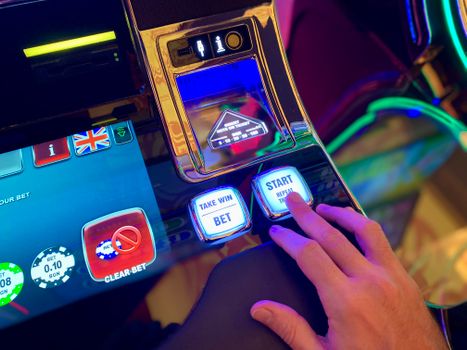
Slot machines, which account for about 60% of Nevada’s gaming revenue, exemplify this idea. With jackpots that can reach into the millions, they offer a tantalizing symbol of upward mobility. In 2023, the largest Megabucks jackpot in Las Vegas history paid out $39.7 million to a single winner—an event widely reported in both gambling and mainstream media.
Beyond the games, casinos themselves are often stories of entrepreneurship. Many of the city’s most famous establishments were started by ambitious individuals (like Steve Wynn and Kirk Kerkorian) who epitomized the self-made ethos central to American identity.
American Social Values Reflected in Casino Policies and Practices
Las Vegas casinos are not just about glitz and games; they also mirror evolving American social values. Over the decades, casino policies have adapted to reflect broader societal changes, from civil rights to inclusivity.
In the 1950s, segregation was still commonplace in Las Vegas, with Black entertainers like Sammy Davis Jr. forced to enter through back doors. By the 1960s, the civil rights movement pressured casinos to desegregate. Today, Las Vegas prides itself on diversity and inclusion, with casinos actively courting international visitors, LGBTQ+ travelers, and people from all walks of life.
Casinos have also adapted to changing attitudes toward gambling. While once stigmatized, gambling has become increasingly normalized in American society. A 2022 Pew Research Center survey found that 70% of American adults believe gambling is a socially acceptable entertainment activity, a sharp contrast from public opinion in the early 20th century.
Culinary Culture: How American Tastes Have Shaped Casino Dining
American culture’s love affair with food is evident in the evolution of Las Vegas casino dining. The city’s famous buffets—offering everything from pancakes to prime rib—were born from the American value of abundance and variety. The first casino buffet, the El Rancho Vegas Buckaroo Buffet, opened in 1946, revolutionizing dining with its all-you-can-eat format.
By the 1990s and 2000s, celebrity chefs began opening signature restaurants inside casinos, elevating the city’s culinary reputation. Today, Las Vegas boasts more Michelin-starred restaurants than any other city in the American Southwest, with eateries run by Wolfgang Puck, Gordon Ramsay, and José Andrés.
A recent report by the Las Vegas Convention and Visitors Authority revealed that 43% of visitors in 2023 cited dining as a key reason for their trip, nearly rivaling gaming itself. This shift underscores how casinos have evolved to reflect Americans’ growing interest in gourmet food and unique dining experiences.
Comparing Las Vegas Casino Influences: American vs. International Styles
Las Vegas casinos are often compared to their counterparts in other gambling hubs, such as Macau and Monte Carlo. Each destination reflects its own cultural influences, but Las Vegas stands out for its distinctly American approach to gaming, entertainment, and hospitality.
| Feature | Las Vegas (American) | Macau (Chinese) | Monte Carlo (European) |
|---|---|---|---|
| Primary Casino Revenue | 60% Slots, 40% Table Games | 80% Table Games (esp. Baccarat) | Majority Table Games |
| Entertainment Focus | Shows, Concerts, Residencies | Limited Live Entertainment | Classical, Cultural Events |
| Architectural Style | Themed, Extravagant, Pop Culture | Modern, Luxury, Subtle Themes | Historic, Elegant, Traditional |
| Dining | Buffets, Celebrity Chefs, Variety | Luxury Chinese Cuisine | Haute European Cuisine |
| Visitor Demographics | Domestic & International, All Ages | Mainly Chinese, Some International | Wealthy International, Elite |
This comparison highlights how American cultural values—diversity, excess, entertainment, and accessibility—shape the Las Vegas casino experience in ways that set it apart from other gambling capitals.
Final Reflections: The Enduring Impact of American Culture on Las Vegas Casinos
The influence of American culture on Las Vegas casinos is profound, visible in every neon-lit sign, celebrity chef restaurant, and themed mega-resort. Las Vegas has become a stage where American dreams, values, and traditions are magnified for the world to see. From the entrepreneurial spirit that built the Strip to the ever-evolving entertainment and culinary scenes, the city continues to reinvent itself, staying true to the dynamic and innovative ethos that defines the United States.
As Las Vegas looks toward the future—with new investments in sports, technology, and sustainable design—its casinos will likely continue to reflect the changing face of America. What remains constant is the city’s ability to capture the imagination, offering visitors not just a place to gamble, but a uniquely American adventure.