Japan's Gambling Policies: A Comparative Study with Las Vegas
Japan’s relationship with gambling has long been complex, shaped by centuries of cultural tradition, stringent legal frameworks, and, most recently, a cautious openness to international casino investment. In stark contrast, Las Vegas stands as the global capital of gambling—a city where neon lights beckon millions into an entertainment-driven economy. As Japan tentatively enters the world of integrated resorts and casinos, it’s instructive to compare its evolving policies and cultural attitudes with those of Las Vegas. This comparative study illuminates not just the differences in law and regulation, but also the cultural, economic, and social landscapes that define gambling in these two unique settings.
The Legal Foundations: Gambling Laws in Japan vs. Las Vegas
Japan’s legal stance on gambling is rooted in the Criminal Code of 1907, which prohibits most forms of wagering. Exceptions exist for state-sanctioned activities such as horse racing, bicycle racing (keirin), boat racing, and lotteries, all tightly regulated and designed to direct profits to government and community projects. Perhaps the most notable exception is pachinko—a pinball-like game classified as an amusement, not gambling, despite its prize exchange mechanisms. In 2022, Japan’s government reported that legal betting industries, including horse racing and lotteries, generated over $50 billion in annual revenue.
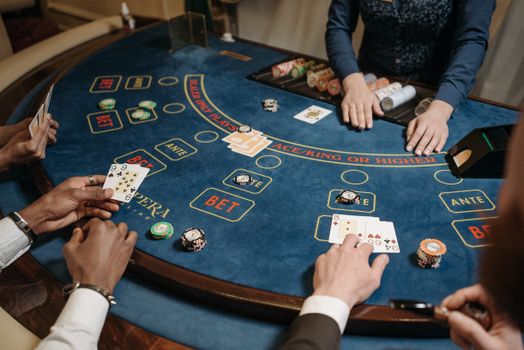
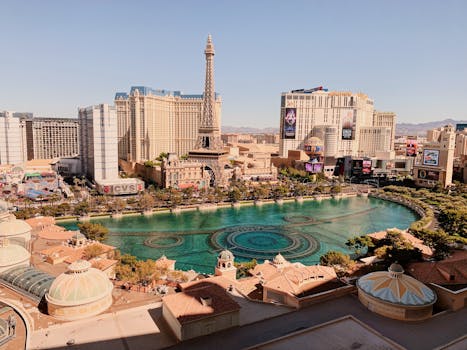
Las Vegas, by contrast, is synonymous with legalized gambling. Nevada legalized casino gaming in 1931, transforming the state into an international gaming hub. The Nevada Gaming Control Board and the Nevada Gaming Commission rigorously oversee all gambling activities, from slot machines to sports betting. In 2023, Las Vegas casinos generated an all-time high of $8.3 billion in gaming revenue, according to the Nevada Gaming Control Board.
.png)
The contrast is stark: In Japan, gambling is the exception, tightly controlled and largely hidden from everyday life. In Las Vegas, it’s the rule, celebrated and central to the city’s identity.
Regulatory Approaches: Protecting Society or Promoting Entertainment?
Japan’s regulatory approach is characterized by caution. When the Integrated Resort Promotion Law passed in 2016, it signaled a monumental policy shift, allowing for the development of casino resorts in selected locations. However, strict regulations were implemented to address concerns about gambling addiction and organized crime. For instance, Japanese residents face an entry fee of 6,000 yen (about $40) per visit and are limited to three visits per week or 10 per month. Operators must also invest heavily in anti-addiction measures and community outreach.
Las Vegas, meanwhile, operates under a system designed to promote the gaming industry while maintaining regulatory integrity. The focus is on transparency, fair play, and tax revenue generation. Nevada dedicates significant resources to problem gambling (over $2 million annually), but the regulatory atmosphere encourages access and entertainment. There are no entry fees for locals or visitors, and 24-hour casinos are the norm.
This difference is not merely bureaucratic—it reflects divergent societal values. Japan’s policies prioritize social protection and gradual market opening, while Las Vegas’s framework is built around economic growth and entertainment tourism.
Cultural Attitudes: Risk, Luck, and Social Acceptability
Cultural perceptions of gambling deeply influence policy and practice. In Japan, gambling has historically been associated with vice and social harm, often linked to the underworld (yakuza) and viewed with suspicion. Public support for casino legalization has hovered below 50% in opinion polls. The government’s careful approach to integrated resorts reflects widespread concern about addiction and the potential erosion of social norms.
Pachinko’s popularity—over 9,000 parlors nationwide, with an estimated $200 billion wagered annually—demonstrates a uniquely Japanese compromise. The game is technically legal as an amusement, but is functionally similar to slot machines. This ambiguity allows gambling to exist within strict social and legal boundaries.
In Las Vegas, gambling is a cultural mainstay, celebrated and openly advertised. The city attracts over 38 million visitors a year, many drawn by gaming and entertainment. Gambling is seen as a leisure pursuit—a form of adult play rather than a social ill. Problem gambling exists, but is managed through education, support programs, and responsible gaming initiatives.
Economic Impact: Casino Revenues and Beyond
The economic stakes are high in both Japan and Las Vegas, but the structures differ. Las Vegas’s casino-driven economy employs about 370,000 people in Clark County alone, with gaming taxes contributing over $700 million annually to state coffers. The wider hospitality sector—including hotels, restaurants, and entertainment—amplifies this impact, making tourism the lifeblood of Nevada’s economy.
Japan’s entry into the casino market is more recent and measured. The government estimates that integrated resorts could generate between $8 billion and $20 billion in annual revenue once fully operational. The first major project, expected to open in Osaka in 2030, is projected to create over 15,000 jobs and attract up to 20 million visitors annually. However, the Japanese model is designed to limit domestic harm while maximizing international tourism and regional development.
Below is a comparative overview of key economic and regulatory data:
| Aspect | Japan | Las Vegas (Nevada) |
|---|---|---|
| Casino Legalization Year | 2016 (Integrated Resort Law) | 1931 |
| Annual Gaming Revenue | Projected $8–20 billion (future) | $8.3 billion (2023) |
| Pachinko Industry Revenue | $200 billion (2022) | N/A |
| Entry Restrictions | Yes (fees, visit limits for locals) | No |
| Number of Licensed Casinos | 0 (under development) | 60+ on the Las Vegas Strip |
| Problem Gambling Budget | Mandatory operator funding | $2 million+ state funding annually |
| Tourism Impact | 20 million projected (Osaka IR) | 38 million visitors (2023) |
Integrated Resort Models: Japan’s Vision vs. Las Vegas’s Reality
Japan’s integrated resort (IR) model is ambitious, drawing on international expertise while addressing domestic concerns. An IR in Japan must include hotels, conference centers, entertainment venues, and shopping, with the casino floor limited to no more than 3% of the total resort area. Operators are required to partner with local governments, emphasizing regional development and community benefit.
In Las Vegas, casinos are often the centerpiece of vast entertainment complexes. The model is more commercially driven, with few restrictions on gaming floor size or access. Las Vegas resorts are known for their scale and extravagance—The Venetian, for example, boasts over 7,000 rooms and a 120,000-square-foot casino floor.
Japan’s approach is more prescriptive, aiming to ensure that casinos do not dominate the IR experience. This reflects a desire to use casinos as a tool for tourism and economic development—while minimizing the risk of social harm.
Social Safeguards: Addressing Problem Gambling and Social Costs
A major point of divergence between Japan and Las Vegas is the emphasis on social safeguards. In Japan, the 2018 IR Implementation Act mandates a comprehensive framework to prevent gambling addiction. This includes national awareness campaigns, strict advertising guidelines, mandatory operator funding for treatment programs, and the aforementioned entry restrictions for Japanese citizens.
Las Vegas, while investing in responsible gaming, relies more on voluntary compliance and state programs. The Nevada Council on Problem Gambling provides support and education, but access remains open, and self-exclusion is voluntary.
Recent studies estimate that problem gambling rates in Japan are about 3.6% for adults, higher than the global average of 2.3%. The government’s cautious approach to casino regulation is partly a response to these figures. In Nevada, the problem gambling rate is estimated at 2.2%, with significant resources devoted to education and treatment.
Final Reflections: Lessons from Two Worlds
Japan and Las Vegas offer two strikingly different models of gambling regulation, shaped by history, culture, and economic imperatives. Japan’s policies are rooted in caution and social responsibility, opening the door to casinos only with extensive safeguards. Las Vegas, on the other hand, has built an entire city around the celebration of risk and entertainment, emphasizing economic growth and open access.
As Japan’s integrated resorts prepare to welcome their first guests, the lessons from Las Vegas are both a guide and a warning. Balancing economic gain with social protection remains a delicate act—one that will shape Japan’s gambling landscape for decades to come.