Japan’s gambling landscape is uniquely complex, shaped by centuries-old traditions, strict legal codes, and powerful undercurrents of organized crime. The Yakuza—Japan’s notorious mafia syndicates—have played a critical if shadowy role in shaping the nation’s gambling world. From underground casinos to the legal grey zones surrounding pachinko parlors, the Yakuza’s influence has left an indelible mark on how, where, and why Japanese people gamble. This article explores the historical and contemporary impact of the Yakuza on Japan’s gambling scene, offering insight into their methods, economic sway, and the ongoing efforts to curtail their reach.
The Roots of Yakuza Involvement in Gambling
The connection between the Yakuza and gambling dates back to the Edo period (1603–1868), when many early Yakuza groups emerged from bakuto—professional gamblers who traveled the country organizing illegal games. The bakuto not only provided a foundation for the Yakuza’s criminal structure but also instilled gambling as a core part of their identity. Their tattoos, rituals, and codes of honor often revolved around gambling culture.
By the late 20th century, the Yakuza had evolved into sophisticated criminal organizations, but gambling remained central to their operations. According to a 2018 National Police Agency report, an estimated 70% of Yakuza revenue came from illegal businesses, with gambling as a consistent top earner. This historical entanglement explains why the Yakuza are so deeply woven into the fabric of Japanese gambling, even as laws and society have changed.
.png)
Yakuza Control of Illegal Gambling Operations
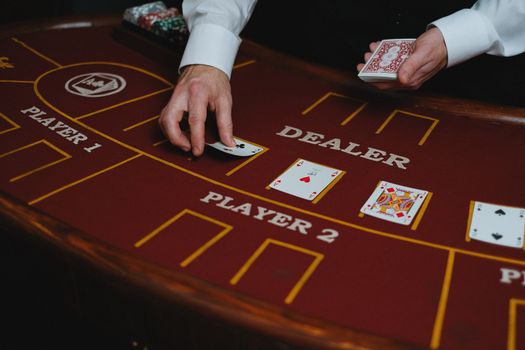
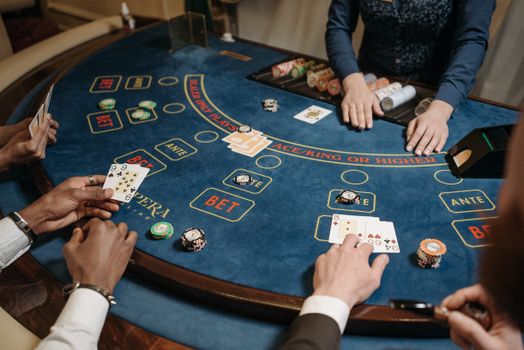
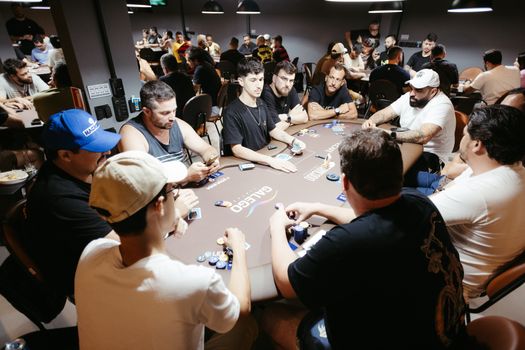
Japan’s legal system bans most forms of gambling, with a few exceptions like horse racing, certain lotteries, and pachinko. This strict regulatory environment has created fertile ground for illegal gambling dens, which the Yakuza have long controlled. These underground establishments range from hidden mahjong parlors to clandestine casinos offering baccarat, poker, and sports betting.
A 2021 survey by the Japan Times estimated that illegal gambling operations generated over ¥1.5 trillion ($13 billion) annually. The Yakuza use intimidation, corruption, and violence to maintain control over these venues, ensuring that profits flow directly into their coffers. They also employ elaborate systems to evade law enforcement, such as constantly shifting locations, using coded language, and bribing officials.
The Yakuza’s grip on illegal gambling is not just about money—it’s also about power. Controlling these venues allows them to recruit new members, launder money from other criminal activities, and exert influence over local communities.
Pachinko: The Legal Grey Zone
While most forms of gambling are banned in Japan, pachinko—an arcade-style game similar to pinball—occupies a unique space. Officially categorized as “amusement,” pachinko parlors operate legally but have long been associated with illicit activities and Yakuza influence.
Pachinko machines generate staggering revenues. In 2023, the pachinko industry’s total gross revenue was approximately ¥14.6 trillion ($108 billion), dwarfing the combined revenue of Japan’s legal casinos and lotteries. Although most parlors are legitimate businesses, the Yakuza have historically used them as fronts for illegal gambling and money laundering.
The process is ingenious: players win “prizes” that can be exchanged for cash at separate locations, skirting anti-gambling laws. Yakuza groups have infiltrated some parlors through extortion, protection rackets, and ownership stakes, making it difficult for authorities to untangle criminal influence from legitimate business. According to a 2019 study by the Japan Center for Economic Research, up to 15% of pachinko parlors had some degree of Yakuza involvement.
Economic Impact: Numbers and Networks
The Yakuza’s reach into gambling is not just a matter of criminal enterprise—it’s a significant economic force. Their involvement distorts markets, siphons off tax revenue, and perpetuates cycles of debt and addiction.
The table below compares estimated revenues from different segments of Japan’s gambling scene, highlighting the Yakuza’s share:
| Gambling Segment | Total Estimated Annual Revenue (2023) | Yakuza Influence (%) | Estimated Yakuza Revenue |
|---|---|---|---|
| Pachinko Parlors | ¥14.6 trillion ($108B) | 15% | ¥2.19 trillion ($16.2B) |
| Illegal Gambling Dens | ¥1.5 trillion ($13B) | 80% | ¥1.2 trillion ($9.4B) |
| Legal Lottery & Horse Racing | ¥3.5 trillion ($26B) | Minimal | ~0 |
These figures demonstrate the scale of Yakuza involvement, especially in sectors that exist in legal or regulatory limbo. The money funneled through these channels is used to finance other illicit activities, from drug trafficking to loan sharking, further entrenching the Yakuza’s power base.
Law Enforcement and Government Countermeasures
Recognizing the threat posed by organized crime, Japanese authorities have undertaken significant efforts to curb Yakuza influence in gambling. The Organized Crime Countermeasures Law (Boryokudan Taisaku Ho) was enacted in 1991, targeting gang finances and enabling police to crack down on Yakuza-run businesses.
Recent years have seen a sharp increase in police raids on illegal gambling dens. In 2022 alone, the National Police Agency reported over 1,200 arrests related to illegal gambling operations, with nearly half linked directly to Yakuza activity. The government has also pressured the pachinko industry to sever ties with organized crime by mandating stricter background checks on owners and employees.
Despite these efforts, the Yakuza have adapted, using front companies and increasingly sophisticated money-laundering tactics. The rise of online gambling—much of it unregulated and hosted offshore—has provided new opportunities for Yakuza groups to profit while evading domestic law enforcement.
The Future: Casino Legalization and Shifting Power Dynamics
Japan’s recent move to legalize integrated casino resorts (IRs) represents a seismic shift in the nation’s gambling landscape. The first IR is slated to open in Osaka in 2029, with others likely to follow. Proponents argue that these resorts will generate significant tax revenue and create jobs, while strict regulation will keep organized crime at bay.
However, experts warn that the Yakuza may attempt to infiltrate these new casinos, using their expertise and networks to exploit regulatory loopholes. According to a 2023 Tokyo Metropolitan Police report, there is “credible concern” that criminal syndicates will seek to profit from both legal and illegal gambling as the market expands.
At the same time, public attitudes toward the Yakuza are hardening. Membership in traditional syndicates has fallen sharply—from over 90,000 in 1992 to less than 25,900 in 2023—due to aggressive policing and social ostracism. Yet their adaptability means the Yakuza’s influence over gambling is unlikely to disappear overnight.
Legacy and Ongoing Challenges: The Yakuza’s Mark on Japanese Gambling
The Yakuza’s impact on Japanese gambling is both historical and ongoing. Their roots in the nation’s gambling culture run deep, shaping the evolution of everything from illegal betting to the complex world of pachinko. While intensified law enforcement and changing social norms have weakened their grip, the Yakuza continue to adapt, finding new ways to profit from both the legal and underground sides of gambling.
As Japan’s gambling laws evolve and new opportunities arise, the challenge will be to ensure that criminal influence does not simply shift or adapt in response. The story of the Yakuza and Japanese gambling is a cautionary tale about the unintended consequences of prohibition, and the resilience of organized crime in the face of regulation.