Unveiling the World of Underground Poker in New York
Few things capture the mystique of New York City’s nightlife quite like the secretive, adrenaline-fueled world of underground poker. In a metropolis celebrated for its bright lights, ambition, and relentless energy, another shadowy scene thrives below the surface: high-stakes poker games played behind unmarked doors, away from the reach of the law. While New York has a storied history with gambling—think of the legendary mob-run joints of the early 20th century—underground poker today is a blend of risk, glamour, and subculture that continues to fascinate and alarm in equal measure.
This article peels back the curtain on New York’s underground poker scene. We’ll explore its roots, how games are run, who participates, and what risks players face. Along the way, you’ll get a glimpse into a world where fortunes are won and lost in a single night, and where the law is always just one step behind the shuffle.
The Origins and History of Underground Poker in New York
New York’s relationship with poker dates back over a century. In the early 1900s, illegal gambling dens dotted neighborhoods like Hell’s Kitchen and Chinatown. By the 1940s and 1950s, high-stakes poker had become a staple in the city’s nightlife, often orchestrated by organized crime. The famous cardrooms of that era—places like the Mayfair Club—were legendary, attracting everyone from Wall Street traders to future World Series of Poker champions.
.png)
The Mayfair Club, for example, operated from the 1970s until its closure in 2000, and was the training ground for world-class players like Erik Seidel and Howard Lederer. These clubs were more than just places to gamble—they were social hubs, networking spots, and informal classrooms for serious poker enthusiasts.
While law enforcement occasionally cracked down, underground poker persisted by adapting. As legal scrutiny intensified in the late 20th and early 21st centuries, games shifted to more discreet locations, often in private apartments or basements, and became even more exclusive.
How Underground Poker Games Operate in New York
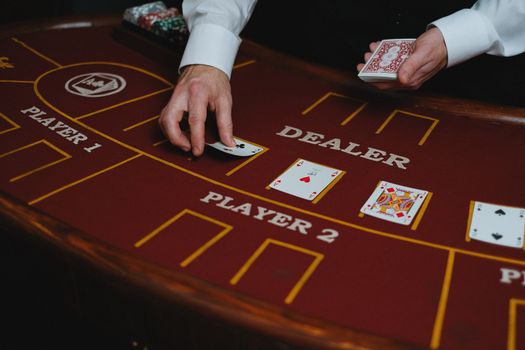
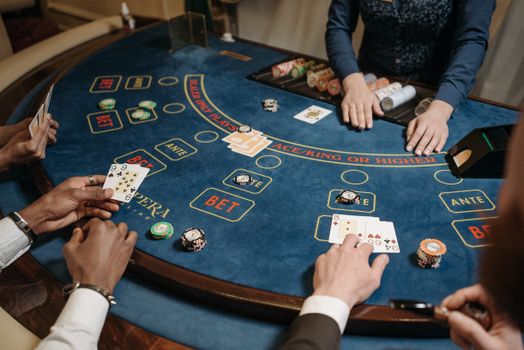
Modern underground poker in New York is a far cry from the smoky, mob-run dens of the past. Today’s games are typically organized by “hosts” who manage invitations, handle the money, and ensure security. Games can range from small, friendly gatherings to elaborate events with professional dealers, security staff, and even food and drink service.
A typical underground poker game in New York might feature:
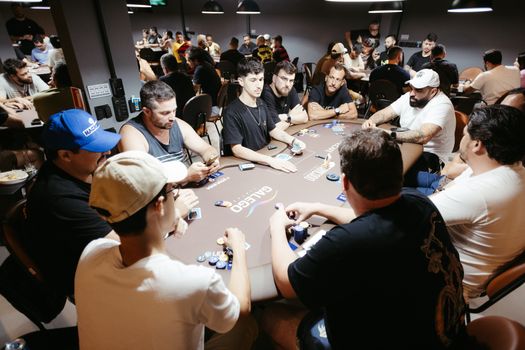
- Buy-ins ranging from $100 to $10,000 or more - Cash games (most commonly No-Limit Texas Hold’em or Pot-Limit Omaha) - 10-20 players per session, though some games attract 40 or more - Rake (a percentage of each pot) taken by the house, often between 5% and 10% - Surveillance cameras and security personnel at larger gamesInvitations are usually spread through word of mouth, social media groups, or encrypted messaging apps. Trust is paramount: organizers vet new players carefully to avoid law enforcement infiltration, and regulars are often vouched for by existing members.
Cash is king. While some games now accept digital payments (notably cryptocurrencies for added anonymity), most stick with large amounts of physical money, making these events both enticing and risky.
Who Plays: The Demographics and Motivations Behind the Cards
Underground poker attracts a unique cross-section of New Yorkers. According to a 2022 informal survey by CardPlayer Magazine, players commonly include:
- Finance professionals (25%) - Entrepreneurs and tech workers (18%) - Artists and entertainers (15%) - Service industry staff (12%) - Students and academics (10%) - Others (20%)The motivations are as varied as the players themselves. For some, it’s the thrill of high-stakes competition and the promise of easy money. For others, it’s the camaraderie and community—regular games can become tight-knit social circles. There’s also the allure of exclusivity: gaining access to a secretive game is, for many, a badge of honor.
Women remain underrepresented but are increasingly visible in the scene. In a 2023 interview with The New Yorker, professional poker player Jennifer Shahade estimated that women make up about 10% of New York’s underground poker regulars—a number that’s been slowly rising since the early 2000s.
The Legal Landscape: Risks and Ramifications
Poker may be a game of skill, but in New York State, its legality is murky. Under New York Penal Law Section 225, promoting gambling or operating an unauthorized gambling facility is a crime, even if the house only takes a rake and doesn’t play against the patrons.
Players themselves are rarely prosecuted, but organizers face significant penalties. In 2018, the NYPD arrested 32 people in connection with a high-profile Midtown poker bust, seizing over $1.2 million in cash and chips. Penalties can include heavy fines and jail time—for hosting or promoting illegal games, sentences can reach up to 4 years.
Despite the risks, enforcement is inconsistent. The NYPD and state authorities focus resources on larger operations—especially those connected to other crimes, such as money laundering, loan sharking, or drug trafficking. Smaller, more discreet games often go undetected for years.
Legal experts note that the rise of cryptocurrency and encrypted messaging has made enforcement even harder. However, players face other dangers: robberies at gunpoint, cheating, and disputes with organizers are not uncommon. In one notorious 2017 incident, masked men stormed a Manhattan poker game, making off with over $100,000.
Economic Impact: Comparing the Underground and Legal Poker Scenes
While there are no exact figures for the size of New York’s underground poker economy, estimates suggest that millions of dollars change hands in these games every month. For comparison, here’s a look at key differences between the underground scene and legal poker in nearby states:
| Aspect | Underground Poker (NY) | Legal Poker (NJ/PA) |
|---|---|---|
| Estimated Annual Revenue | $50-$80 million (unofficial) | $150 million+ (regulated venues) |
| House Rake | 5%-10% per pot | 5% or less, strictly regulated |
| Player Protections | Minimal (risk of theft, cheating) | Strong (security, dispute resolution) |
| Access | Invitation-only, secretive | Open to public, ID required |
| Taxation | No tax reporting | Winnings reported to IRS/state |
| Legal Risk | High for organizers | None for players or venues |
Despite the risks, the underground scene persists partly due to demand. New York has yet to legalize in-person poker rooms, pushing enthusiasts to seek out illicit options or travel to nearby New Jersey or Pennsylvania. The economic impact extends beyond the games themselves, with organizers, dealers, security, and even local businesses benefiting from the spillover.
Cultural Influence: How Underground Poker Shapes New York
Underground poker has left its mark on New York’s culture in subtle but powerful ways. The city has produced some of the world’s most famous poker players—many of whom got their start in local underground games. It’s also inspired books, movies, and television shows; the 2017 film "Molly’s Game," based on real underground poker games, captured the imagination of millions.
Poker’s presence is felt in everyday language, fashion, and even art. The phrase “ace up your sleeve,” for example, has its roots in card games. Meanwhile, artists and writers have long been drawn to the drama and psychology of poker, using it as a metaphor for risk, luck, and ambition.
The scene also serves as a microcosm of New York itself: competitive, diverse, and always evolving. For some, it’s a symbol of the city’s rebellious spirit; for others, a tempting but dangerous underworld.
The Future of Underground Poker in New York
As New York debates the expansion of legal gambling—potentially including new casinos and online poker—the fate of the underground scene hangs in the balance. Some argue that legalization would kill the illicit market; others believe it would merely push it further underground, as players seek higher stakes or more private games.
In 2023, Governor Kathy Hochul’s administration proposed several bills to expand regulated gambling, but in-person poker rooms remain off the table for now. As long as the law lags behind demand, it’s likely that secret games will continue to flourish—always adapting, always just out of sight.
What’s clear is that underground poker is more than a pastime; it’s a cultural phenomenon, shaped by the city’s unique blend of risk, opportunity, and secrecy.