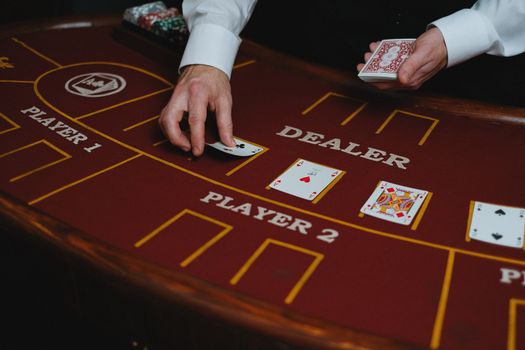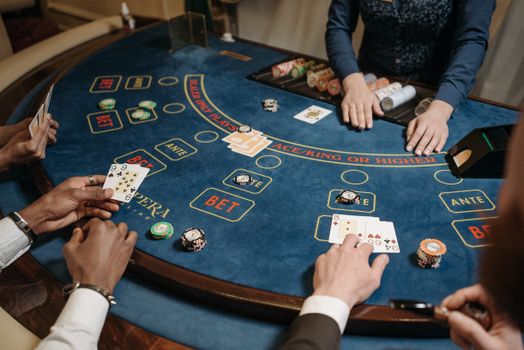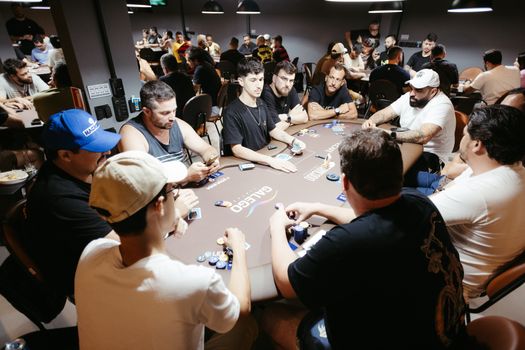
The world of underground poker in New York is one of secrecy, high stakes, and a unique blend of risk and reward. While the state boasts a rich history of legal gambling from racetracks to the burgeoning casino market, it’s the clandestine poker rooms hidden behind unmarked doors and accessed by word-of-mouth that have captured the imagination of moviegoers, thrill-seekers, and serious players alike. This shadowy subculture thrives beneath the surface of New York’s glitzy nightlife, offering a glimpse into a parallel universe where fortunes can be won or lost in a single hand. But what lies behind this enduring phenomenon? How do these games operate, who are the players, and what risks are involved? Let’s take an in-depth look at the hidden world of underground poker in New York City.
The Roots and Rise of Underground Poker in New York
Underground poker is not a new phenomenon in New York. The city’s fascination with illicit card games dates back to the early 20th century, with notorious venues like the Mayfair Club serving as breeding grounds for some of the world’s most celebrated poker professionals. In the 1980s and 90s, these private clubs attracted a mix of Wall Street traders, celebrities, and hopeful amateurs, all seeking the adrenaline rush and camaraderie that came with high-stakes games.
The Mayfair Club, located in Midtown Manhattan, is often credited as the birthplace of the modern poker boom. It was here that legends like Erik Seidel, Howard Lederer, and Dan Harrington honed their skills before achieving international fame at the World Series of Poker. By the late 1990s, dozens of underground rooms were operating across the city, each with its own unique culture, clientele, and unwritten rules.
.png)
Several factors fueled the rise of these clubs:
- Strict gambling laws in New York, which prohibited most forms of poker outside of specific charitable or tribal venues. - The social aspect of private clubs, which offered a welcoming environment compared to the sometimes intimidating atmosphere of casinos. - The allure of big cash games, often with blinds and pots far exceeding those found in legal establishments.Despite periodic crackdowns by law enforcement, the underground scene has proven remarkably resilient, adapting to new technologies and shifting social dynamics.
How Underground Poker Games Operate
The operation of an underground poker room is a delicate balancing act, blending secrecy with accessibility. Unlike casinos, these venues are typically not advertised publicly and require an introduction from a trusted member. Security is a top priority, with many clubs employing surveillance systems, doormen, and even hidden entrances to ward off both law enforcement and potential criminals.
Games are usually held in inconspicuous locations: back rooms of restaurants, private apartments, or rented office spaces. The stakes can range from modest $1/$2 no-limit Texas Hold’em games to jaw-dropping $100/$200 or higher. Some venues run tournaments, while others focus exclusively on cash games.
Dealers are often professionals, and the club takes a “rake”—a percentage of each pot, usually 5% up to a capped amount—as its profit. Refreshments, food, and sometimes even alcohol are provided to keep players comfortable and engaged for long sessions.
A typical night at an underground poker game might look like this:
- Players arrive at a pre-arranged location and are buzzed in by security. - A host greets them, checks them against a guest list, and directs them to the tables. - Games run late into the night, with chips exchanged for cash and winnings paid out discreetly. - Regulars establish a sense of community, while newcomers are carefully vetted.Despite the risks, the appeal is undeniable: bigger stakes, a sense of exclusivity, and the thrill of operating outside the law.
The Players: Who Sits at the Table?
The clientele of New York’s underground poker rooms is as diverse as the city itself. While Hollywood movies often glamorize these games as the exclusive domain of gangsters and millionaires, the reality is far more nuanced.
- Professionals: Many rooms are frequented by skilled players who make a living (or supplement their income) through poker. These players are often sharp, disciplined, and deeply knowledgeable about strategy. - White-Collar Workers: Lawyers, bankers, tech professionals, and entrepreneurs are drawn to the intellectual challenge and competitive spirit of the game. - Celebrities: From actors and musicians to sports figures, New York’s underground rooms have hosted their share of famous faces, attracted by both privacy and high stakes. - Amateurs: Enthusiastic hobbyists who crave more excitement than friendly home games or legal venues can provide. - Criminal Elements: While not as common as in the past, some games do attract organized crime or shady characters, which increases the risk for everyone involved.A 2019 investigative report by The New York Times found that of the estimated 30-50 active underground rooms in Manhattan alone, about half catered primarily to regulars with a mix of professionals and “weekend warriors.” The average buy-in for cash games ranged from $500 to $10,000, with some tournaments boasting prize pools in excess of $100,000.
Risks, Raids, and the Law: What Players Face
The underground nature of these games brings inherent risks—legal, financial, and personal. New York law classifies most forms of unlicensed gambling as a misdemeanor, but organizers can face felony charges, particularly if the games involve large sums or attract criminal activity.
Over the past two decades, several high-profile raids have made headlines. In 2011, “Operation Joker’s Wild” resulted in the arrest of 14 people and the seizure of nearly $700,000 from a Midtown poker room. In 2014, authorities busted a multi-million-dollar gambling ring with alleged connections to Russian organized crime, linking the operation to celebrities and Wall Street financiers.
Beyond legal trouble, players face other dangers:
- Theft and Robbery: Since games are run off the books, there is little recourse if a player is robbed or cheated. - Cheating: While most clubs maintain strict rules and surveillance, incidents of marked cards, collusion, and other forms of cheating do occur. - Addiction: The easy access to high-stakes games can exacerbate gambling addiction, especially for those seeking to recoup losses. - Violence: Although rare, disputes over money or cheating can escalate quickly in an unregulated environment.Below is a comparative table summarizing the key differences between legal and underground poker games in New York:
| Aspect | Legal Poker Venues | Underground Poker Rooms |
|---|---|---|
| Location | Licensed casinos, tribal venues | Private, hidden locations |
| Security | Professional security, surveillance | Private security, often discreet |
| Stakes | Regulated; often lower | Variable; often higher |
| Legal Risk | None for players | Potential arrest, fines |
| Rake | Regulated, transparent | Unregulated, may be higher |
| Atmosphere | Open, public | Exclusive, secretive |
Technology and the Evolving Underground Scene
The digital age has transformed the way underground poker is organized and played in New York. While online poker remains technically illegal under most interpretations of state law, technology has enabled organizers to communicate more securely and efficiently.
- Encrypted Messaging Apps: Invitations and game details are now often distributed via encrypted platforms like Telegram or Signal, reducing the risk of law enforcement infiltration. - Social Media: Private Facebook groups and WhatsApp chats serve as modern-day equivalents of the old “call-around” lists. - Mobile Payments: Some clubs have experimented with cryptocurrencies or peer-to-peer payment platforms to handle buy-ins and payouts discreetly.These innovations have made games harder to detect and have expanded the player pool, with some organizers running multiple games each week in rotating locations. The COVID-19 pandemic briefly slowed the scene, but by 2022, most clubs had resumed operations, often with additional health precautions.
Culture and Mythology: Underground Poker in Popular Media
Few subcultures have been as thoroughly mythologized as New York’s underground poker scene. Films like “Rounders” (1998) starring Matt Damon and Edward Norton drew inspiration directly from the city’s real-life clubs. The film’s depiction of gritty backroom games, colorful characters, and life-changing hands resonated with audiences and contributed to the poker boom of the early 2000s.
Beyond Hollywood, the underground scene has been chronicled in books, podcasts, and documentaries. These stories often highlight the camaraderie, psychological warfare, and sense of adventure that draw players to risk their money—and sometimes their freedom—for a seat at the table.
Despite the allure, participants are quick to point out that the reality is more mundane than myth: nights of grinding play, careful bankroll management, and the ever-present risk of a police raid or a bad beat.
The Future of Underground Poker in New York
As the legal landscape of gambling continues to evolve in New York—with the opening of new casinos, the push for legalized online poker, and shifting societal attitudes—the future of underground poker remains uncertain. Some experts predict that increased legalization will eventually lure players away from clandestine games, while others believe the sense of exclusivity and community will keep the underground scene alive.
A 2023 survey by the New York State Gaming Commission found that 24% of regular poker players had participated in an underground game in the past year, suggesting persistent demand despite legal risks. Meanwhile, organizers adapt to each new challenge, blending tradition with innovation to keep the cards in the air.
Whether seen as a thrilling pastime or a risky enterprise, underground poker remains a fascinating, integral part of New York’s cultural fabric—a testament to the city’s enduring appetite for games of skill, chance, and human drama.