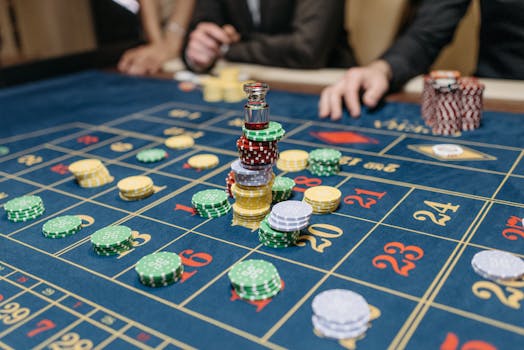
Russia’s casino industry is one of the world’s most enigmatic and tightly regulated gambling markets. From the glitzy gaming palaces of Sochi to the legal labyrinths of the country’s designated casino zones, the Russian casino landscape is a high-stakes world shaped by politics, culture, and ambition. This article will take you on a deep dive into Russian casinos—exploring their tumultuous history, the unique regulatory environment, the economic impact on local regions, the shadow of illicit gambling, and a look ahead at what the future holds for gaming in the world’s largest country.
The Rise, Fall, and Rebirth of Russian Casinos
The story of Russian casinos is a dramatic one. After the fall of the Soviet Union in 1991, Russia experienced a casino boom. By the late 1990s, Moscow alone was home to over 70 casinos and more than 500 gaming halls. The industry was largely unregulated, with slot machines in nearly every corner store and illicit operators thriving alongside legitimate businesses.
However, concerns about crime, addiction, and social problems led to a sweeping crackdown. In 2009, the Russian government banned casinos and slot halls in most of the country, confining legal gambling to four remote regions known as "casino zones": Azov City (Krasnodar Krai), Kaliningrad, Altai, and Primorye (near Vladivostok).
.png)
This move drastically reduced legal gambling venues almost overnight. For instance, in 2008, Russia had around 2,230 gambling establishments, but by 2010, only a handful of new casinos operated within the designated zones. Moscow’s famous casino lights were switched off, and the once-thriving industry was forced to adapt or perish.
Understanding Russia’s Casino Zones: Geography and Strategy
To control gambling and minimize social harms, Russian authorities established casino zones far from major population centers. These zones were intended to spur economic development in underdeveloped regions while keeping gambling out of everyday urban life.
Here’s an overview of the main casino zones in Russia as of 2024:
| Zone | Location | Year Established | Key Casinos | Annual Visitors (est.) |
|---|---|---|---|---|
| Sochi (Krasnaya Polyana) | Krasnodar Krai | 2014 | Sochi Casino, Boomerang Casino | 1.5 million |
| Primorye | Near Vladivostok | 2015 | Tigre de Cristal, Shambala | 700,000 |
| Altai Palace | Altai Krai | 2014 | Altai Palace | 100,000 |
| Kaliningrad | Baltic Coast | 2010 | Sobranie Casino | 200,000 |
Sochi is by far the most successful, capitalizing on its status as a resort city and former Olympic host. The Tigre de Cristal in Primorye, near the Asian border, draws both Russian and international players, particularly from China, South Korea, and Japan.
High Rollers and Big Bets: The Casino Experience in Russia
Russian casinos are not just about gambling; they’re entertainment complexes designed to attract high rollers and tourists. For example, Sochi Casino & Resort, a $165 million project, features over 500 slot machines, 70 gaming tables, a luxury hotel, restaurants, concert venues, and even a theater. The casino has hosted international poker tournaments, celebrity events, and high-stakes baccarat games where bets routinely exceed $10,000 per hand.
Tigre de Cristal, in the Primorye zone, is another flagship development. Opened in 2015, it’s owned by Melco International (a major Hong Kong gaming operator). The resort targets Asian VIPs with private gaming salons, exclusive spa services, and luxury shopping. In its first year, Tigre de Cristal reported a gross gaming revenue of approximately $71 million, despite being thousands of kilometers from Moscow.
Casinos in Russia are required by law to check identification, monitor for signs of gambling addiction, and pay high taxes. Slot machines are tightly regulated, and only approved gaming equipment is permitted. Security is intense, with surveillance cameras and guards present at all times. These measures are designed to deter crime and ensure transparency, given the industry’s checkered past.
Economic Impact: A Boon for Local Development?
The casino zones were partly intended to stimulate regional economies. The results have been mixed but notable in some areas.
Sochi, for instance, has seen a boom in tourism since the opening of its casino in 2014. In 2021, Sochi Casino reported welcoming over 1.5 million guests, and the zone created more than 2,000 direct jobs. Local hotels, restaurants, and transport services have benefited from the influx of visitors.
Primorye is another region banking on casinos to drive economic growth. The local government estimates that by 2025, the zone could attract up to 8 casinos and generate over $500 million in annual gaming revenue. The region’s proximity to China and Japan is central to this strategy, aiming to draw international gamblers who might otherwise visit Macau or South Korea.
However, not all zones have thrived. The Altai and Kaliningrad zones remain small, with only one or two operational casinos each and relatively low visitor numbers. Investment has been slower than anticipated, and some projects have stalled due to bureaucracy or lack of demand.
The Shadow Side: Illegal Gambling and Regulatory Challenges
Despite strict regulations, illegal gambling remains a significant problem in Russia. According to the Russian Interior Ministry, police shut down over 1,200 illegal gambling operations in 2021 alone. These range from underground casinos in Moscow apartments to unlicensed online gambling sites.
The government has responded with a combination of technology and enforcement. In 2020, Roskomnadzor (the Russian internet watchdog) blocked more than 110,000 illegal gambling websites. Severe penalties, including hefty fines and jail time, await those caught operating or facilitating illegal games.
Nevertheless, demand for gambling in urban centers like Moscow and St. Petersburg remains high, fueling a cat-and-mouse game between authorities and illicit operators. This challenge is compounded by the growth of online gambling. While officially banned, many Russians still access international casino sites via VPNs or mirror domains.
Russian Casinos on the Global Stage: Competition and Opportunity
Russia’s unique approach—concentrating casinos in remote zones—sets it apart from other gambling destinations like Macau, Las Vegas, or even the Philippines. This strategy poses both challenges and opportunities.
On one hand, the remote locations limit domestic access and reduce social risks. On the other, they make it challenging to compete for international high rollers. For example, Macau generated $22.1 billion in gaming revenue in 2019, while all Russian casino zones combined reported less than $500 million in the same period.
However, Russia is betting on its geography to become a bridge between East and West. The Primorye zone, just two hours by air from major Asian cities, aims to capture part of the lucrative Asian gambling market—especially as China continues its crackdown on overseas gambling.
Looking Ahead: The Future of Russian Casinos
The Russian government continues to invest in and expand casino zones. New projects are underway in both Sochi and Primorye, with plans for more integrated resorts, entertainment venues, and luxury hotels. In 2023, the Shambala casino opened its doors in Primorye, marking the second major property in the area with a reported investment exceeding $100 million.
Meanwhile, discussions continue about whether to allow online gambling under strict regulation, as the country seeks to capture lost tax revenue and better control the market.
Despite the challenges, Russian casinos are evolving into sophisticated, multi-billion-ruble enterprises. With continued investment, a focus on tourism, and a willingness to adapt, the high-stakes world of Russian casinos is primed to play a significant role in the future of global gaming.