Japanese casino culture is a fascinating blend of tradition, innovation, and excitement. From the iconic clatter of pachinko balls to the growing popularity of Western-style table games, Japan offers a unique gaming experience that stands apart from the glitz of Las Vegas or Macau. Whether you’re visiting a Japanese casino resort, exploring an online platform, or just curious about what games captivate millions across the country, understanding the most popular Japanese casino games is the first step to joining in the fun. Let’s dive into what makes these games special, how they’re played, and why they’ve become cultural phenomena.
The Evolution of Casino Games in Japan
Japan’s relationship with gambling is complex and deeply rooted in its history. While traditional gambling was long restricted under Japanese law, certain exceptions and the recent introduction of Integrated Resorts (IRs) have sparked a gaming renaissance. The most striking example is pachinko, an arcade-meets-slot hybrid that has dominated leisure time for decades. In 2022, Japan’s pachinko industry alone generated an estimated ¥14 trillion ($102 billion USD), dwarfing the combined revenues of Las Vegas and Macau casinos.
The legalization of casino resorts in 2018 paved the way for Western-style casino games to enter the Japanese market. This has led to a sharp rise in the popularity of games like baccarat, blackjack, and roulette—especially among younger generations and tourists. Meanwhile, online casinos have surged in popularity, offering Japanese players access to both local favorites and international classics.
.png)
Pachinko: Japan’s Arcade Sensation
No discussion of Japanese casino games is complete without pachinko. This vertical pinball-style game is a cultural icon, with more than 7,600 pachinko parlors operating nationwide as of 2023. The game’s appeal lies in its simplicity: players buy small steel balls, launch them into a colorful vertical machine, and hope they land in winning pockets to trigger jackpots and bonus rounds.
While technically classified as an amusement game, pachinko operates in a legal grey area. Winnings are paid out in prizes, which can then be exchanged for cash at nearby shops. Top pachinko manufacturers like Sankyo, Sanyo, and Heiwa regularly release new machines with anime themes, immersive sound effects, and high-tech displays.
Here’s why pachinko remains Japan’s top casino-style game:
- Accessibility: Virtually every city has at least one pachinko parlor, open from morning until late at night. - Social experience: Many players visit for the lively atmosphere and camaraderie. - Economic impact: Pachinko employs over 240,000 people in Japan and supports local economies. - Wide appeal: From retirees to young professionals, pachinko attracts players of all ages.Pachislot: Slot Machines, Japanese-Style
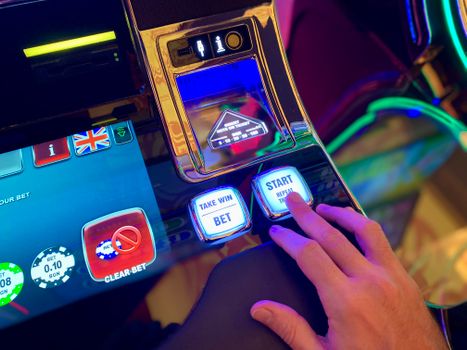
Pachislot (sometimes written as pachi-slot or pachislo) is Japan’s answer to Western slot machines. While similar in appearance to Las Vegas slots, pachislot machines come with unique rules and mechanics tailored to Japanese preferences. The reels are spun using a button or lever, and bonus features such as skill-stop and interactive mini-games add layers of engagement.
In 2022, pachislot machines accounted for nearly 30% of all gaming machines in Japanese parlors. Popular themes include hit anime series, J-pop idols, and Japanese folklore. Major gaming companies like Universal Entertainment and Sammy Corporation lead the industry, constantly innovating with new technology and immersive graphics.
Key differences between pachislot and Western slot machines include:
- Skill element: Players can influence the outcome by timing the stop of each reel. - Lower volatility: Pachislot machines often have higher hit frequencies but smaller jackpots. - Regulation: Machines are tightly regulated by Japanese authorities to prevent excessive losses.The table below compares pachinko, pachislot, and Western slot machines:
| Feature | Pachinko | Pachislot | Western Slot Machines |
|---|---|---|---|
| Main Mechanic | Ball drop & pins | Reels with skill-stop | Reels (random) |
| Skill Involvement | Minimal | Moderate | Minimal |
| Jackpot Size | Moderate | Small to moderate | Small to very large |
| Themes | Anime, celebrities, sports | Anime, pop culture | Varied (fruits, movies, etc.) |
| Availability in Japan | Very high | High | Low (mostly in IRs/online) |
Western Table Games: Baccarat, Blackjack, and Roulette
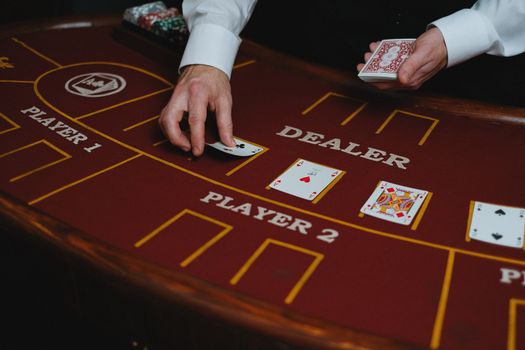
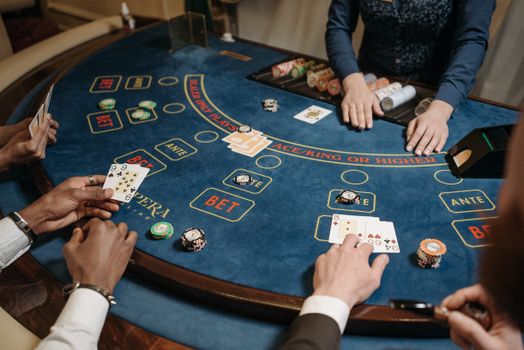
With the advent of Integrated Resorts, classic casino table games have found a new audience in Japan. Baccarat, in particular, has swiftly become a favorite, mirroring its popularity in other Asian markets such as Macau and Singapore.
Baccarat appeals for several reasons:
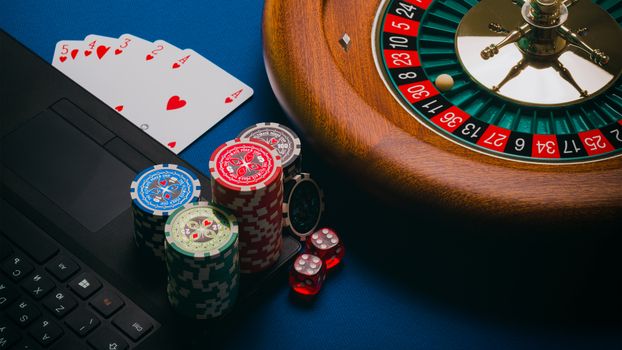
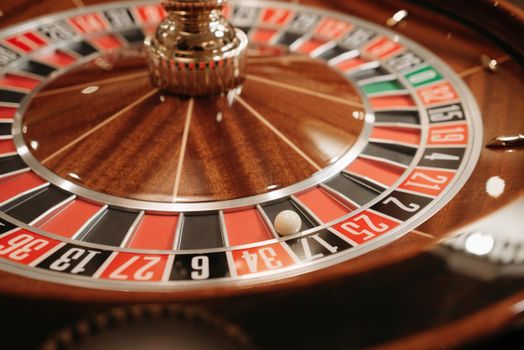
- Simple rules: Players bet on the “player” or “banker” hand, with the closest to nine winning. - Fast-paced: Each round takes under a minute, keeping the action lively. - High-roller appeal: VIP tables often feature minimum bets of ¥10,000 ($70+), attracting big spenders.Blackjack and roulette are also gaining traction, especially among younger adults and international visitors. Blackjack’s blend of skill and luck, combined with a house edge as low as 0.5%, makes it a strategic favorite, while roulette’s spinning wheel offers drama and diverse betting options.
In Japanese IRs, these games are often localized with Japanese-speaking dealers, unique side bets, and digital interfaces for seamless play. Online casinos serving Japanese customers now offer live dealer games streamed from studios in Asia and Europe, allowing players to experience the thrill of the tables from home.
Mahjong and Hanafuda: Traditional Games with Modern Twists
Japan’s traditional games also have a strong presence in the casino world. Mahjong, a tile-based game originating from China, has been fully embraced in Japanese culture, with unique rule variations like Riichi Mahjong. While not typically found in Western casinos, mahjong parlors are common in Japan, and online versions have surged in popularity.
Mahjong is often played for points, but in some settings, cash prizes or tokens can be won, blurring the line between skill-based competition and gambling. According to a 2021 survey by the Japan Mahjong Association, over 6 million Japanese adults play mahjong at least once a year, whether in parlors, at home, or online.
Hanafuda, a card game using beautifully illustrated flower cards, has roots dating back to the 18th century. Nintendo, now a global video game giant, began as a hanafuda manufacturer in 1889. Today, hanafuda is mostly played for fun, but some variants involve betting or tournament play. Online casinos have started to introduce digital hanafuda games, targeting nostalgic and culturally curious players.
Online Casino Games: Bridging Tradition and Technology
The last decade has seen a rapid rise in online casino gaming among Japanese players. In 2023, Japan’s online gambling market was estimated at $3.7 billion USD, with growth driven by smartphones, fast internet, and the convenience of playing anytime, anywhere.
Online casinos catering to Japanese players offer a vast array of games, including:
- Virtual pachinko and pachislot - Live dealer baccarat, blackjack, and roulette - Sports betting on baseball, soccer, and sumo - Japanese-themed slots and arcade gamesOperators often localize their platforms with Japanese language support, yen transactions, and exclusive promotions. Regulatory uncertainty remains, but the sheer popularity of online gaming cannot be understated—especially with younger generations who value convenience and variety.
What Makes Japanese Casino Games Unique?
Several factors set Japanese casino games apart from their global counterparts:
1. Cultural integration: Many games incorporate Japanese themes, art, and storytelling, making them feel uniquely local. 2. Legal framework: Japan’s approach to gambling blends regulation with creative workarounds, such as the “prize-exchange” system in pachinko. 3. Social experience: Whether in lively parlors or digital chat rooms, Japanese gaming culture emphasizes community and shared excitement. 4. Innovation: Game manufacturers constantly push the envelope with new technologies, from immersive displays to skill-based mechanics.While Western games are gaining ground, the enduring popularity of pachinko, pachislot, mahjong, and hanafuda speaks to Japan’s ability to adapt old traditions to modern tastes.
Final Thoughts on the Most Popular Japanese Casino Games
Japan’s casino game landscape is a captivating blend of the old and the new. Pachinko and pachislot dominate the physical gaming world, drawing millions to neon-lit parlors every week. At the same time, Integrated Resorts and online platforms are introducing Japanese players to global casino favorites like baccarat, blackjack, and roulette.
Traditional games like mahjong and hanafuda continue to thrive, both as social pastimes and competitive betting games. What unites all these experiences is a uniquely Japanese sense of style, community, and adaptation—traits that ensure the country’s casino culture remains vibrant and ever-evolving.
Whether you’re visiting Japan, exploring online options, or simply curious about what makes Japanese casino games so popular, there’s never been a better time to join the action and discover your own favorite way to play.