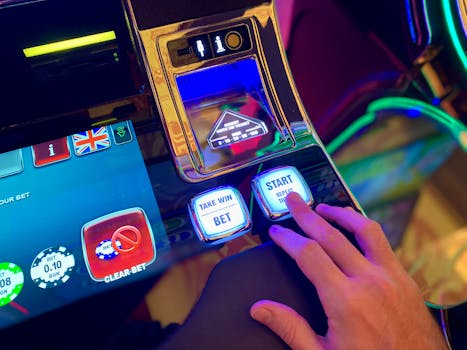
The integration of technology in Japan's casino industry is shaping a new era of gaming and hospitality, driven by innovation and digital transformation. Japan, recognized globally for its prowess in technology, is now channeling this expertise into its emerging casino sector, aiming to redefine the gaming experience and set new standards in casino management and customer service.
Technological Innovations in Japan's Casinos
Japan's approach to incorporating technology in its casinos is multifaceted, focusing on enhancing customer engagement, operational efficiency, and security. Some of the most notable technologies being adopted include:
.png)
- Artificial Intelligence (AI): AI is at the forefront, used to create personalized gaming experiences and improve customer service. Through machine learning algorithms, casinos can offer tailored recommendations and predictive analytics to forecast gaming preferences and behaviors.
- Facial Recognition: This technology plays a critical role in security and customer management. It helps in identifying and tracking individuals, whether they are VIP customers for premium service delivery or individuals who are banned due to previous infractions.
- Robotics: Robotics technology is used for both practical and entertainment purposes. Robots in casinos may serve drinks, manage hotel amenities, or even act as dealers in some scenarios.
- Blockchain and Cryptocurrency: Some casinos are exploring the use of blockchain for secure, transparent transactions and even considering cryptocurrency as a payment method, appealing to a tech-savvy demographic.
Comparative Advantages and Disadvantages
The technological advancements in Japan's casinos offer several advantages:
- Enhanced Customer Experience: Technologies like AI and robotics can provide a seamless, efficient, and highly personalized customer service experience.
- Improved Security: Technologies such as facial recognition ensure a safer gaming environment by effectively monitoring and controlling casino access.
However, these technologies come with their set of challenges:
- High Costs: The initial investment for cutting-edge technology can be substantial, which might be a deterrent for smaller operators.
- Privacy Concerns: With the increasing use of data analytics and facial recognition, casinos must navigate the complex landscape of data privacy laws and ensure customer information is protected against breaches.
Practical Examples in the Industry
Several casinos in Japan are leading examples of how technology can be effectively integrated:
- Tokyo’s Integrated Resorts: These resorts use AI to analyze customer data to optimize game offerings and marketing strategies dynamically. Facial recognition systems streamline security processes and improve customer relations management by identifying VIPs and regular patrons as they enter the casino.
- Osaka’s Robot-Staffed Casinos: In Osaka, some casinos have introduced robotic staff, which not only helps in reducing operational costs but also adds an element of novelty to attract visitors.
Conclusion and Recommendations
As the Japanese casino industry continues to expand, the role of technology will undoubtedly be pivotal. For casino operators, the focus should be on adopting technologies that not only enhance the customer experience but also adhere to rigorous security standards and respect privacy laws. Potential investors and stakeholders in the casino industry should consider these technological trends and their implications for future growth and sustainability.
In summary, Japan's casino industry is set on a path of rapid technological evolution, promising to revolutionize the gaming and entertainment landscape. Stakeholders must navigate this terrain thoughtfully, balancing innovation with responsibility to ensure the long-term success of their ventures in this dynamic industry.