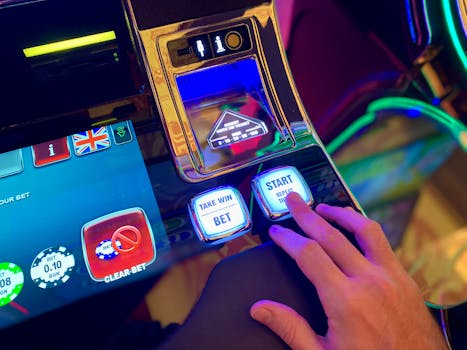
The integration of artificial intelligence (AI) in Japan's casino industry marks a significant shift towards more technologically advanced gambling environments. This movement presents a host of opportunities to enhance operational efficiencies, improve customer experiences, and ensure a higher level of security, although it also introduces several challenges that need careful consideration.
Enhancing Customer Service AI's role in customer service within casinos is profound. By deploying AI-powered chatbots and virtual assistants, casinos can offer round-the-clock assistance to guests. These AI systems handle inquiries ranging from game rules to facilities within the casino, delivering fast, accurate information. This not only elevates the customer experience but also alleviates the pressure on human staff, allowing them to focus on more complex customer service tasks.
Security Improvements Security is paramount in casinos, and AI has revolutionized this aspect through advanced surveillance technologies. AI-driven systems analyze video footage in real time to identify unusual behavior or potential security threats, such as cheating or theft. This immediate detection enables security teams to act swiftly, creating a safer environment for guests and staff alike.
.png)
Personalizing Gaming Experiences AI significantly enhances the gaming experience by personalizing interactions with players. For instance, AI can adjust slot machine payouts or game difficulty based on individual player behavior and history, making games more engaging. In table games like blackjack and poker, AI can help manage odds and fairness, ensuring a balanced experience for all players.
Challenges and Ethical Considerations Despite these benefits, the integration of AI in casinos is not without challenges. Ethical concerns, particularly regarding privacy, are at the forefront. AI systems often require extensive data collection, raising concerns about the extent and use of personal player information. Moreover, there's the potential risk of AI being exploited to unfairly influence game outcomes.
Another significant issue is the impact on employment. As AI takes over certain functions, there could be a decrease in jobs available, potentially affecting the livelihoods of many individuals who rely on casino employment. This shift demands careful planning and response, including retraining programs and perhaps even reshaping job roles to work alongside AI technologies.
Regulatory Measures and Future Outlook To address these challenges, Japanese regulators and casino operators are implementing stringent measures. These include setting clear guidelines on AI usage in casinos to ensure transparency and fairness. There is also a push towards re-skilling employees whose jobs may be impacted by AI integration, ensuring they remain integral parts of the evolving casino landscape.
In conclusion, AI's integration into Japan's casino industry promises to redefine how casinos operate and engage with players. With potential improvements in customer service, security, and personalized gaming, the benefits are considerable. However, navigating the ethical and employment challenges will be crucial for sustaining this technological evolution. As Japan continues to pioneer AI in gambling, the global casino industry will be watching closely, potentially adopting similar strategies based on Japan’s experiences and adjustments in this exciting technological frontier.