Japan's Legal Gambling Scene: An Inside Look at a Complex World
Gambling in Japan is a paradox: widely popular, tightly regulated, and constantly evolving. From neon-lit pachinko parlors to the latest developments in integrated casino resorts, the country’s legal gambling landscape is a fascinating intersection of law, culture, and economy. Despite a strict ban on most forms of gambling, Japan boasts one of the largest gambling markets in the world, supported by creative legal frameworks and public demand.
This article takes you deep inside Japan’s legal gambling scene, offering fresh insights into how the system works, why certain forms are allowed, the role of government, and how global trends are shaping its future. Whether you’re curious about the legal nuances, economic impact, or the latest casino developments, this comprehensive guide will help you understand what sets Japan’s gambling scene apart.
The Foundations of Legal Gambling in Japan
Japan’s approach to gambling is built on a unique legal foundation. The Penal Code of Japan (Article 185 and 186) strictly prohibits most gambling activities, with heavy penalties for violators. Yet, exceptions exist—carefully crafted to balance public interest, social concerns, and economic benefits.
.png)
The most prominent legal forms of gambling in Japan are:
- Pachinko and pachislot (technically “amusement” machines) - Publicly run sports betting (including horse racing, bicycle racing, boat racing, and motorcycle racing) - Lottery (Takarakuji) - Charity rafflesThis system of exceptions dates back decades, with each category governed by separate laws and ministries. For example, horse racing is managed by the Japan Racing Association (JRA) under the Horse Racing Law, while the national lottery is overseen by the Ministry of Internal Affairs and Communications.
A 2022 survey by Japan’s Cabinet Office found that over 30 million Japanese adults participate in some form of legal gambling annually. In 2023, legal gambling revenues (excluding pachinko) reached approximately ¥7 trillion ($53 billion USD), highlighting its significant economic footprint.
Pachinko: The Gray Area Powerhouse
Pachinko parlors are the beating heart of Japan’s gambling culture, yet they occupy a legal gray area. Pachinko is officially classified as a “leisure activity,” not gambling, due to a clever legal workaround. Here’s how it works:
Players win small metal balls, which can be exchanged for prizes such as electronics or snacks. However, most parlors have a separate window (often operated by a different company) where these prizes can be exchanged for cash. This indirect system allows pachinko to thrive while staying technically within the law.
There are over 7,600 pachinko parlors nationwide as of 2023, employing nearly 250,000 people. The industry’s annual turnover is estimated at a staggering ¥18 trillion ($140 billion), making it larger than the combined revenues of Las Vegas, Macau, and Singapore casinos.
Pachinko’s prominence is both a cultural and economic phenomenon, with parlors found in every city and many rural towns. The industry has faced criticism for its ties to social problems (including addiction) and links to organized crime, but remains a legal mainstay due to its popularity and contributions to local economies.
Public Sports Betting and Lotteries: Government-Run Gambling
Officially sanctioned sports betting and lotteries provide another legal avenue for gambling in Japan. These activities are run by government or quasi-government agencies, with strict oversight and revenue allocation for public benefit.
The main categories include:
- Horse Racing (Keiba): Operated by the Japan Racing Association and local government-run National Association of Racing, with a combined annual betting handle of ¥3.2 trillion ($24.5 billion) in 2023. - Bicycle Racing (Keirin): Introduced in 1948, with annual bets exceeding ¥600 billion ($4.6 billion). - Boat Racing (Kyotei): Nearly 24 venues nationwide, generating over ¥1.3 trillion ($10 billion) in annual wagers. - Motorcycle Racing (Auto Race): Smallest of the four, but still significant. - Takarakuji Lottery: Japan’s national lottery, which sold about ¥850 billion ($6.5 billion) in tickets in 2022.These forms of gambling are strictly regulated. For example, betting on baseball, soccer, or other sports not on the official list is illegal. Revenue from public betting is used for infrastructure, welfare projects, and local government funding.
The following table compares major legal gambling forms in Japan by annual handle and regulatory authority:
| Gambling Type | Annual Handle (2023, USD) | Number of Venues | Regulatory Body |
|---|---|---|---|
| Pachinko | $140 billion | 7,600+ | Local Police/Public Safety Commissions |
| Horse Racing (Keiba) | $24.5 billion | 38 | Japan Racing Association, NAR |
| Bicycle Racing (Keirin) | $4.6 billion | 43 | Ministry of Economy, Trade and Industry |
| Boat Racing (Kyotei) | $10 billion | 24 | Ministry of Land, Infrastructure, Transport and Tourism |
| Lottery (Takarakuji) | $6.5 billion | Various | Ministry of Internal Affairs and Communications |
The Casino Revolution: Integrated Resorts and New Legal Frontiers
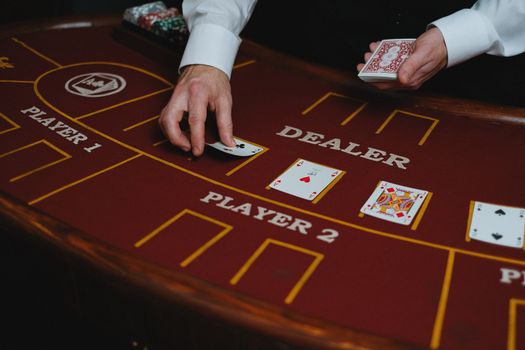
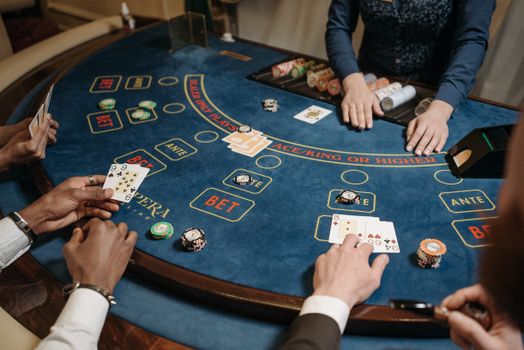
For decades, Japan resisted the global casino boom. That changed in 2018, when the Integrated Resort (IR) Implementation Act was passed, legalizing casino gambling in the form of large-scale resorts. The goal: boost tourism, create jobs, and capture a share of Asia’s lucrative casino market.
Key facts about Japan’s new casino law:
- Only three casino licenses will be issued in the initial phase. - Casinos must be part of broader integrated resorts, including hotels, conference centers, and entertainment facilities. - Japanese residents face a ¥6,000 ($45) entry fee and a limit of three visits per week or 10 per month to address problem gambling concerns. - The government expects IRs to generate up to ¥1 trillion ($7.6 billion) in annual economic impact and attract millions of foreign visitors.In 2023, Osaka was officially selected as the site for Japan’s first integrated resort, scheduled to open in 2029. Backed by MGM Resorts and Orix Corporation, the project is expected to create over 15,000 jobs and draw up to 20 million visitors annually. Other cities, such as Yokohama and Nagasaki, have submitted bids, but political and public opposition has slowed progress.
Japan’s cautious approach to casinos reflects a desire to maximize economic benefits while minimizing social risks—a balancing act closely watched by other countries considering similar legal changes.
Legal Frameworks and Regulatory Oversight
Japan’s legal gambling scene is characterized by strict oversight and a complex web of regulations. Each legal form of gambling operates under its own set of laws, ministries, and compliance requirements. For example:
- Pachinko parlors are regulated at the prefectural level by Public Safety Commissions. - Sports betting and lotteries are overseen by their respective ministries, with transparent reporting and revenue distribution. - Casinos will be regulated by the Casino Regulatory Commission, an independent agency established in 2020 to oversee licensing, anti-money laundering measures, and responsible gaming.To prevent illegal gambling, Japan has tough penalties for unauthorized betting, including prison sentences of up to three years. Law enforcement agencies conduct regular raids on illegal gambling dens and online operations.
In addition, advertising and promotion of gambling are tightly controlled. For example, casino ads cannot target Japanese residents, and lottery advertisements must include warnings about gambling addiction.
The government also invests in public education and support services for problem gambling. In 2022, Japan launched a national gambling addiction hotline and increased funding for counseling services, reflecting growing awareness of gambling-related harms.
Global Trends and the Future of Legal Gambling in Japan
Japan’s legal gambling scene is not static—it is evolving in response to both domestic and international trends. Several key developments are shaping the future:
- Digital Transformation: While most forms of gambling remain offline, the COVID-19 pandemic accelerated interest in online betting. In 2023, the government began consultations on expanding digital lottery sales and exploring limited online betting for public sports. - International Competition: With Macau and Singapore drawing millions of tourists, Japan’s IR projects aim to position the country as a new hub for integrated resorts in Asia. - Responsible Gambling Initiatives: Japan is adopting global best practices for harm reduction, including self-exclusion programs, player tracking, and support hotlines. - Demographic Shifts: With an aging population, industry analysts predict increased demand for leisure activities like pachinko and casino gaming among older adults—a trend that could reshape marketing and service offerings.Japan’s ability to adapt its legal frameworks while preserving social harmony will determine the long-term success of its gambling sector. The world is watching closely as Japan balances tradition, innovation, and regulation in a uniquely Japanese way.
Japan’s Legal Gambling Scene: Key Takeaways
Japan’s legal gambling scene is a study in contrasts—strict yet vibrant, traditional yet innovative. Anchored by pachinko and public betting, the system is evolving with the introduction of integrated resorts and digital platforms. Government oversight is rigorous, with a strong emphasis on public benefit and social responsibility.
In 2023, the sector’s combined legal revenues exceeded $53 billion (excluding pachinko), and upcoming casino projects are set to inject billions more into the economy. As Japan navigates its complex relationship with gambling, it continues to offer a unique model for balancing economic growth with social safeguards.
For those interested in the intersection of law, culture, and business, Japan’s legal gambling landscape remains one of the most fascinating—and closely watched—in the world.