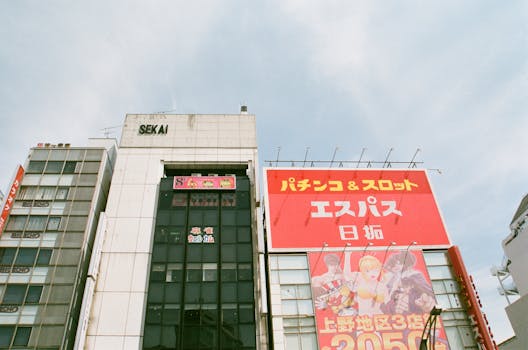
Pachinko: The Unofficial National Pastime of Japan
Pachinko machines light up Japan’s cityscapes with a cacophony of flashing lights, metallic balls, and relentless electronic jingles. To a visitor, these noisy arcades might seem just another quirky facet of Japanese pop culture. But beneath the surface, pachinko is an economic powerhouse, a cultural phenomenon, and, for many, a daily ritual. Despite its ambiguous legal status and lack of international renown, pachinko has woven itself into the fabric of modern Japanese society—earning the moniker “the unofficial national pastime of Japan.” This article explores the unique history, appeal, social impact, and future of pachinko, offering a fresh perspective on why this game holds such a central place in Japan’s collective identity.
The Origins and Evolution of Pachinko
Pachinko’s roots trace back to the early 20th century, evolving from a children’s game called “Corinth game,” which itself was inspired by American pinball. The first dedicated pachinko parlor opened in Nagoya in 1948, marking the game’s transition from a novelty to a mass-market amusement. By the 1950s, pachinko parlors were sprouting up in urban and rural areas alike, quickly becoming a staple of postwar leisure.
The machines themselves have undergone dramatic technological changes. Early models were entirely mechanical, requiring players to manually shoot small steel balls into a vertical playing field. In the 1980s, the advent of microelectronics transformed pachinko into a hybrid of mechanical and digital gaming, introducing features like video screens, complex scoring systems, and interactive storylines. Today’s parlors showcase rows of high-tech machines with themes ranging from samurai epics to anime, catering to a broad spectrum of tastes.
.png) Key milestones in pachinko’s evolution:
- 1948: First dedicated pachinko parlor opens in Nagoya
- 1980s: Introduction of digital and electronic pachinko machines
- 2000s: Integration of advanced graphics and licensed content (e.g., anime, manga)
Key milestones in pachinko’s evolution:
- 1948: First dedicated pachinko parlor opens in Nagoya
- 1980s: Introduction of digital and electronic pachinko machines
- 2000s: Integration of advanced graphics and licensed content (e.g., anime, manga)
This rapid innovation has helped pachinko remain relevant in an era of ever-changing entertainment options.
How Pachinko Works: Game Mechanics and Player Experience
Pachinko combines elements of slot machines, pinball, and lottery games. Players purchase a tray of small steel balls (typically 11 mm in diameter), which are then shot into the machine using a knob or lever. The objective is to guide the balls into certain pockets or gates, triggering a cascade of balls and, in digital machines, bonus features or mini-games.
The balls that fall into the designated pockets are returned to the player, who can then continue playing or exchange the balls for prizes. Importantly, Japanese law prohibits cash prizes, so winnings are typically traded for items like electronics, snacks, or tokens—though a well-established loophole allows these items to be exchanged for cash at nearby “exchange centers.”
A typical player’s experience in a pachinko parlor involves: - Selecting a machine (some seasoned players track “hot” machines with better payout odds) - Purchasing balls (rates vary, but 1,000 yen typically buys 250 balls) - Playing rounds, watching the balls bounce through pins and obstacles - Enjoying electronic music, animated graphics, and the social atmospherePachinko’s distinctive blend of luck, minimal skill, and sensory stimulation has made it accessible and appealing to a wide demographic. It is estimated that more than 9 million Japanese adults play pachinko at least once a year, with about 2 million considered regular players.
Pachinko’s Economic Impact: Bigger Than Las Vegas
Few outside Japan realize the sheer scale of the pachinko industry. According to the Japan Productivity Center, the annual gross revenue of the pachinko sector peaked at around 30 trillion yen (roughly $270 billion USD) in 1995. Even after years of decline, the industry still generates approximately 16 trillion yen ($140 billion USD) annually as of 2023—more than the combined revenue of the world’s casinos in Las Vegas, Macau, and Singapore.
This massive economic footprint supports more than 250,000 jobs and sustains over 8,000 pachinko parlors nationwide. The industry’s supply chain includes machine manufacturers, maintenance firms, prize suppliers, and construction companies. For some rural communities, the local pachinko parlor is among the largest employers and a critical contributor to the tax base.
To put pachinko’s scale in perspective, consider this comparative table:
| Industry / Location | Annual Gross Revenue (USD, 2023) | Number of Venues |
|---|---|---|
| Pachinko (Japan) | $140 billion | 8,000+ |
| Las Vegas Casinos (USA) | $8.2 billion | 144 |
| Macau Casinos (China) | $22.7 billion | 41 |
| Singapore Casinos | $5.3 billion | 2 |
Pachinko’s economic might, despite its low international profile, is a testament to its deep integration into Japanese society.
The Social and Cultural Significance of Pachinko
Pachinko is much more than a game or a business—it’s a social institution. For decades, it has offered a unique “third place” for millions, bridging the gap between home and work. Pachinko parlors are found everywhere, from bustling city districts to remote towns, providing a familiar and affordable escape.
Several aspects contribute to pachinko’s social resonance: - Accessibility: Most parlors are open from early morning until late at night, with low entry costs. - Demographic diversity: While older men make up a significant portion of regular players, women and younger adults are also part of the customer base. - Ritual and routine: Many patrons play daily, forging routines that anchor their social lives. - Cultural symbolism: Pachinko has appeared in countless Japanese films, novels, and even international media (such as the acclaimed novel “Pachinko” by Min Jin Lee).Pachinko parlors are sometimes criticized for their association with gambling addiction and organized crime, but they are also praised for their role in community-building and social cohesion. In some towns, the local parlor doubles as an informal gathering spot, a place to share news, and even a venue for charity drives.
Regulation, Controversy, and the Legal Gray Zone
Pachinko occupies a peculiar legal position in Japan. Technically, gambling for cash is illegal under the Criminal Code. However, pachinko parlors operate within a loophole: players exchange their winnings for prizes, which are then exchanged for cash at separate, legally distinct “exchange centers” located nearby.
This workaround has been tolerated by authorities for decades, but the industry remains subject to tight regulation. The National Police Agency oversees pachinko parlors, setting rules on machine payout rates, advertising, and anti-addiction measures. Periodic crackdowns occur, especially in response to public concerns about gambling addiction or the influence of organized crime.
In recent years, the industry has faced mounting challenges: - Declining player numbers: The number of parlors has dropped from over 18,000 in the 1990s to about 8,000 in 2023. - Demographic shifts: Japan’s aging population and changing entertainment habits have reduced demand. - Stricter regulations: Authorities have imposed caps on maximum payouts and restricted aggressive marketing.Despite these obstacles, pachinko remains resilient, adapting to evolving social norms and legal frameworks.
The Future of Pachinko: Innovation and Adaptation
As Japan’s entertainment landscape changes, pachinko faces both existential threats and opportunities for reinvention. The industry is investing in modernization, seeking to attract younger audiences with cutting-edge technology, themed machines, and enhanced amenities.
Some notable trends include: - Digital integration: New machines feature smartphone connectivity, digital leaderboards, and interactive elements. - Theming and crossovers: Collaborations with popular anime, movies, and video games are increasingly common, drawing in fans from other entertainment niches. - Improved environments: Many parlors now offer smoke-free areas, cafes, and even family-friendly spaces to improve their appeal and counter negative stereotypes. - Responsible gaming initiatives: Industry groups are rolling out programs to identify and support problem gamblers, aiming to shed pachinko’s reputation as a driver of addiction.There is also speculation that, should Japan further liberalize its gambling laws (as seen with the recent legalization of integrated resorts), pachinko could be more formally regulated or even incorporated into new gaming frameworks. For now, though, it continues to straddle the line between amusement and gambling, tradition and innovation.
Pachinko’s Enduring Place in Japanese Life
Pachinko’s story is one of adaptation, resilience, and cultural resonance. From humble beginnings as a children's game to a multi-billion-dollar industry, it has navigated legal ambiguity, social change, and technological upheaval. Today, even as the number of parlors declines, pachinko remains a fixture of daily life for millions and a symbol of Japan’s unique approach to leisure and community.
Whether viewed as a harmless pastime, a controversial vice, or a complex sociocultural phenomenon, pachinko’s significance is undeniable. It is, in many ways, the unofficial national pastime of Japan—a game that continues to reflect and shape the society around it.