Japan's Betting Houses: A Cultural Exploration
Betting houses in Japan are more than mere venues for games of chance—they are woven into the country’s social fabric, reflecting unique blends of tradition, modernity, and even contradiction. Unlike the glitzy casinos of Las Vegas or Macau, Japanese betting establishments embody a distinctly local character, shaped by stringent laws, historical developments, and the creative ingenuity of both operators and patrons. This cultural exploration delves into the world of Japan’s betting houses, tracing their origins, examining their social role, and unveiling the subtle rituals and traditions that set them apart.
The Historical Roots of Japanese Betting Houses
Japan’s relationship with betting and gambling can be traced back centuries, long before the first Western-style casinos appeared on the scene. During the Edo period (1603–1868), gambling was technically outlawed, yet underground betting flourished, often linked to festivals and traveling performers. One of the earliest public forms of betting was on sumo wrestling, where spectators would wager on their favorite rikishi (wrestlers). By the Meiji era (1868–1912), the government began regulating and taxing certain types of gambling, such as horse racing.
Unique to Japan is the existence of “public sports” (公営競技, kōei kyōgi)—state-sanctioned betting on events like horse racing, bicycle racing (keirin), motorboat racing (kyōtei), and motorcycle racing (auto race). The first official horse racing track opened in Yokohama in 1862, setting the stage for a culture of legal betting houses that would later expand to other sports.
.png)
Despite these legal avenues, other betting traditions—such as hanafuda card games and dice games—persisted in private gatherings and unlicensed venues, often linked to yakuza syndicates. This duality, with both regulated and illicit betting houses, continues to shape perceptions and practices in modern Japan.
Types of Betting Houses in Japan: A Diverse Landscape
Japan’s betting houses differ significantly from their international counterparts. Whereas casinos dominate in many countries, Japan’s unique legal environment has given rise to several distinctive types of establishments. The most notable include:
- Pari-mutuel Betting Venues: These are official locations for betting on public sports—such as racecourses for keiba (horse racing), keirin velodromes, motorboat racecourses, and motorcycle tracks. In 2022, the Japan Racing Association reported over 7.8 million attendees at horse racing events, with the industry generating more than ¥3.2 trillion (approximately $23.6 billion USD) in annual turnover. - Pachinko Parlors: While not technically betting houses under Japanese law, pachinko parlors are ubiquitous, with over 7,600 establishments nationwide as of 2023. Pachinko—a cross between pinball and slot machines—is a legal gray area, as players exchange winnings for prizes, which can then be converted to cash at neighboring outlets. - Off-Track Betting Shops: These allow punters to place bets on races occurring at distant venues, offering a more convenient option for urban dwellers. In Tokyo alone, there are more than 20 such shops catering to racing fans. - Illegal Gambling Dens: Despite strict enforcement, underground betting houses still exist, typically focusing on high-stakes card games such as baccarat or poker, and are sometimes associated with organized crime.Below is a comparison of the main types of Japanese betting houses:
| Type | Legal Status | Main Games/Events | Number of Venues (2023) | Annual Turnover (Estimate) |
|---|---|---|---|---|
| Racecourse Betting Houses | Legal, regulated | Horse, bicycle, boat, motorcycle racing | Approx. 100 | ~¥4 trillion ($29.5B USD) |
| Pachinko Parlors | Legal, regulated (prize exchange loophole) | Pachinko, pachislot | 7,600+ | ~¥14.6 trillion ($107.8B USD) |
| Off-Track Betting Shops | Legal, regulated | Public sports betting | 200+ | Included in racecourse figures |
| Illegal Gambling Dens | Illegal | Cards, dice, mahjong | Unknown | Unknown |
Inside the Japanese Betting House: Rituals, Atmosphere, and Etiquette
Stepping into a Japanese betting house—whether a bustling racecourse, a smoky pachinko parlor, or a modest off-track betting shop—one is met with a unique blend of excitement, ritual, and orderliness. The atmosphere is often electric yet disciplined, shaped by cultural norms that value harmony (wa) and respect for others.
At racecourses, bettors meticulously study racing forms, tracking horses’ past performances or cyclists’ recent exploits. Many patrons bring lucky charms or follow superstitious routines, such as always betting on a favorite number. Food stalls and souvenir shops line the venue, creating a festive yet family-friendly environment. According to the Japan Association for International Horse Racing, over 20% of racecourse visitors attend with family members, highlighting the social dimension of betting in Japan.
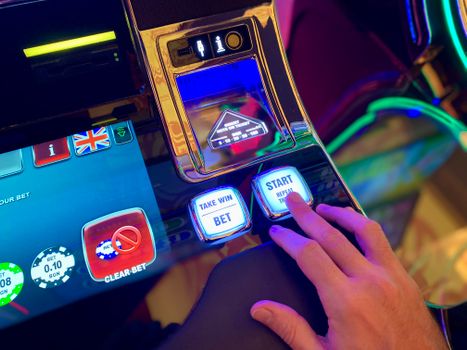
Pachinko parlors, in contrast, are sensory overloads: the cacophony of clattering balls, flashing lights, and clouds of cigarette smoke create an immersive experience. Regulars observe unwritten etiquette—quietly reserving machines with personal items, bowing to attendants, and maintaining a stoic demeanor whether winning or losing.
Interestingly, even in off-track betting shops, a sense of community prevails. Elderly patrons often gather daily, sharing tips or stories while sipping green tea. Despite the competitive nature of betting, aggressive behavior is rare, reflecting broader Japanese values of mutual respect and indirect communication.
Betting Houses and Japanese Law: Navigating a Complex Regulatory Landscape
Japan’s approach to betting houses is rooted in a combination of strict prohibition and carefully crafted exceptions. The Criminal Code of Japan (Chapter 23) generally prohibits gambling, with exceptions carved out for public sports, lottery (takarakuji), and certain amusement games.
All legal betting houses operate under intense government scrutiny. The Japan Racing Association, for example, is a government-backed entity, and all racecourses follow strict protocols to ensure transparency and fairness. Pari-mutuel betting—where all wagers are pooled and winners share the pot minus a government cut—is the standard for public sports, ensuring state revenue and minimizing manipulation.
Pachinko’s legal status is famously ambiguous. Winnings are paid in prizes (often cigarettes or gadgets) rather than cash, but most parlors are located near “exchange centers” that convert these prizes into cash. This three-step process, known as the “san-ten hoshiki” (three-point method), skirts anti-gambling laws while generating immense revenue: in 2022, the pachinko industry accounted for nearly 4% of Japan’s GDP.
Law enforcement periodically cracks down on illegal betting houses, particularly those linked to yakuza activity. In 2021, Tokyo police arrested over 200 individuals in connection with underground gambling, seizing ¥2.8 billion ($20.7 million USD) in assets.
Societal Impact: Betting Houses as Social Hubs and Controversial Institutions
Betting houses in Japan are Janus-faced: they are celebrated as social hubs and economic engines, yet also criticized for their links to addiction and crime. On one hand, racecourses and pachinko parlors serve as gathering spots for diverse groups—from retirees seeking companionship to young professionals blowing off steam. In rural areas, betting houses are sometimes among the few entertainment options, fostering a sense of community.
Economically, betting houses generate significant revenue for local governments and support approximately 350,000 jobs nationwide. Taxes and proceeds from race betting alone fund public works, sports promotion, and welfare programs. For instance, a portion of keirin race profits is earmarked for bicycle infrastructure and Olympic athlete development.
On the other hand, gambling addiction is a persistent concern. A 2022 study by Japan’s Ministry of Health found that approximately 3.6 million Japanese adults (about 3.6% of the adult population) are at risk of gambling-related problems, with pachinko cited as the most common culprit. The government has responded with initiatives such as betting limits, self-exclusion programs, and counseling hotlines, but critics argue that these measures are insufficient.
There is also ongoing debate over the introduction of integrated resorts (IRs)—large-scale casino complexes approved in 2018 but delayed by public opposition and the COVID-19 pandemic. Proponents claim IRs will boost tourism and economic growth, while opponents warn of social harm and increased organized crime.
Tradition Meets Innovation: The Future of Japanese Betting Houses
The evolution of Japan’s betting houses offers a fascinating lens on the country’s ability to balance tradition and change. While the core formats—parimutuel betting, pachinko, and off-track shops—have remained consistent for decades, innovation is quietly reshaping the landscape.
Digitalization is one major trend. Online betting, long restricted, has seen rapid growth since 2020, with mobile apps and web platforms now allowing users to bet on races or play pachinko remotely. The Japan Racing Association reported that over 54% of all horse racing bets in 2023 were placed online, up from 31% in 2019.
Meanwhile, some betting houses are experimenting with new forms of entertainment to attract younger audiences, such as eSports betting and “hybrid” venues that combine traditional games with digital experiences. Sustainability initiatives—such as solar-powered racecourses and eco-friendly pachinko machines—reflect growing environmental consciousness.
The fate of casino-style integrated resorts remains uncertain, but their potential arrival could further transform the sector. As Japan navigates these changes, its betting houses will likely continue to reflect the country’s unique blend of conservatism, creativity, and adaptability.
Reflections on Japan’s Betting Houses: More Than Just a Game
Japan’s betting houses are distinctive not just in their structure and legality, but in their deep cultural resonance. They serve as mirrors of Japanese society, oscillating between collective celebration and individual risk, between legal oversight and creative circumvention. Whether as bustling social hubs, sources of government revenue, or symbols of social debate, these venues reveal much about the complexities and contradictions of modern Japan.
From the meticulously organized racecourses to the neon-lit pachinko parlors, each betting house tells a story about the Japanese approach to luck, risk, and community. As the industry adapts to technological shifts and evolving social attitudes, its ongoing story will remain a compelling chapter in Japan’s cultural narrative.