Japan's Slot Machine Culture: More Than Just Gambling
Japan’s relationship with slot machines is a fascinating journey that goes far beyond the simple act of gambling. While the global image of casinos and slot machines is often tied to quick thrills and high stakes, in Japan, these machines—most notably “pachislo” or “pachislot”—play a unique and intricate role in everyday life. Their cultural, social, and even technological impact have woven them into the fabric of Japanese society in ways that few outsiders might expect. This article explores how Japan’s slot machine culture is about entertainment, artistry, community, and innovation—making it a phenomenon that is truly more than just gambling.
The Evolution of Japanese Slot Machines: From Pachinko to Pachislot
Slot machines in Japan have a distinct identity compared to those in the West. The traditional pachinko game, which dates back to the 1920s, gradually evolved into the more modern “pachislot” machines during the late 20th century.
Pachislo (a portmanteau of "pachinko" and "slot") machines differ from Western slots in several key ways: - Pachislo machines are skill-based. While luck plays a major role, players can influence the outcome to a degree by stopping the reels at precise moments. - Most Japanese slot machines are found not in casinos but in dedicated parlors, often alongside pachinko machines. - Prizes are not directly cash payouts due to strict gambling laws; instead, players exchange won tokens for items, which can then be exchanged for cash at adjacent businesses.There are over 1.6 million slot machines in Japan as of 2023, according to the National Police Agency. This number far surpasses the roughly 900,000 slot machines in the entire United States, underlining how deeply integrated these games are in Japanese recreation and urban landscapes.
.png)
Slot Machines as Social Hubs: Community and Daily Ritual
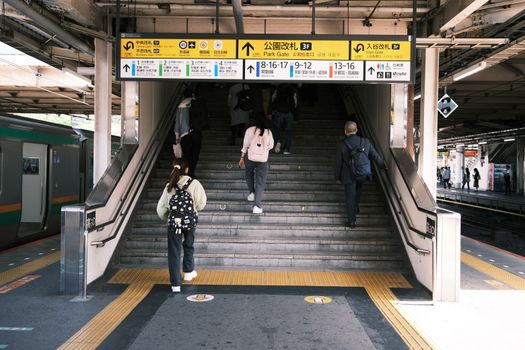
For many Japanese, a visit to the local slot or pachinko parlor is a social ritual as much as it is a gaming experience. These parlors, often located near train stations or in busy shopping districts, buzz with energy from early morning until late at night.
Some key social aspects include: - Community Building: Regulars often form friendships with each other and with parlor staff, exchanging tips and celebrating wins together. - Generational Appeal: It's not uncommon to see retirees, office workers, and young adults all playing side by side, making it a cross-generational pastime. - Routine and Relaxation: For many, playing slot machines serves as a daily wind-down after work or a weekend routine to escape from stress.A 2022 survey by the Japan Productivity Center found that nearly 18% of adults over 20 had visited a slot or pachinko parlor in the past year, highlighting their widespread appeal. Unlike the often solitary experience of casino gambling in the West, Japan’s slot machine culture fosters a sense of belonging and shared experience.
Artistry and Technology: The Allure of Japanese Slot Machines
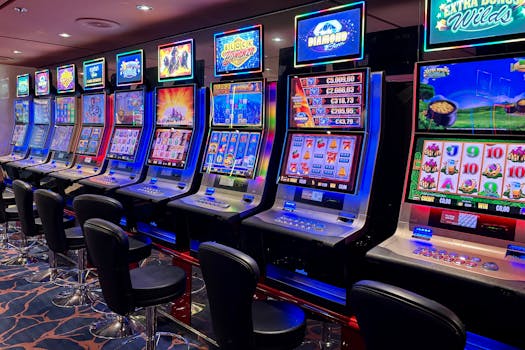
One of the defining features of Japanese slot machines is their dazzling design and technological sophistication. These are not the simple, lever-pulling devices of old; today’s pachislo machines are vibrant showcases of sound, animation, and interactive storytelling.
Distinctive elements include: - Themed Machines: Many machines are branded with popular anime, manga, or video game franchises such as “Evangelion,” “Fist of the North Star,” and “Resident Evil.” This attracts fans of all ages. - Advanced Technology: Pachislo machines include LCD screens, surround sound, and intricate mechanical elements that create a multisensory experience. - Gameplay Mechanics: Unlike Western slots, where players simply spin and wait, Japanese machines often require timing, hand-eye coordination, and even mini-games, enhancing engagement.This blend of entertainment and artistry makes slot machines a major draw even for those who aren’t primarily interested in gambling. In 2023, over 30% of new machines released in Japan were based on popular entertainment franchises, showing the growing fusion between gaming and pop culture.
Economic Impact: More Than Just Wagering
The slot machine industry in Japan is a powerhouse, contributing significantly to the national economy. While exact figures can vary, estimates place the annual revenue from pachinko and slot machines at around 15 trillion yen (approximately $112 billion USD) in 2022. This dwarfs the revenue of Las Vegas casinos, which collectively earned about $8.3 billion in the same year.
Here’s a comparative overview:
| Region | Number of Slot Machines | Annual Revenue (USD) | Slot Machine Locations |
|---|---|---|---|
| Japan | 1,600,000+ | $112 billion (includes pachinko) | 10,000+ parlors |
| USA (all states) | 900,000 | $34.6 billion (all casinos) | 900+ casinos |
| Las Vegas | 180,000 | $8.3 billion | 136 casinos |
The industry supports hundreds of thousands of jobs, from parlor staff and machine designers to manufacturers and maintenance crews. Moreover, because players technically do not win cash directly, the business operates within unique legal frameworks, sustaining a robust secondary market for prize exchanges.
Cultural Symbolism and Media Representation
Slot machines in Japan have become more than entertainment devices; they are a cultural symbol. From movies and TV dramas to manga and advertising, these machines frequently appear as backdrops or plot devices.
- In popular manga like “Kaiji” and “Akagi,” slot and pachinko machines are depicted as crucibles of fate and skill, often highlighting the tension and drama of high-stakes play. - TV programs regularly feature celebrities attempting to win big on the latest machines, further cementing their place in popular culture. - Slot machines are often tied to national events and holidays, with special edition machines and themed campaigns drawing crowds during Golden Week or New Year.This cultural visibility helps to normalize slot machine play as a mainstream activity rather than a fringe pursuit, contributing to its continued popularity across generations.
Responsible Play and Regulation
While Japan’s slot machine culture is vibrant and multifaceted, concerns about problem gambling do exist. The government and industry have taken steps to address these issues:
- Age Restrictions: Players must be at least 20 years old, with strict ID checks at parlors. - Self-Exclusion Programs: Many parlors offer voluntary self-exclusion options, allowing players to ban themselves from entry. - Industry Regulation: The National Police Agency oversees machine specifications to limit excessive payouts and control addictive features.In 2023, new regulations mandated that machines limit the maximum loss per hour, aiming to curb problem gambling. Industry data shows that the introduction of these measures has led to a 14% decline in reported gambling-related issues since 2020.
The Future of Slot Machine Culture in Japan
Looking ahead, Japan’s slot machine culture is poised for further transformation. The integration of digital payment systems, mobile apps for tracking play, and the rise of online slot experiences are reshaping the landscape. At the same time, demographic shifts—such as an aging population and changing leisure preferences among the youth—are prompting the industry to innovate in order to stay relevant.
There is also growing international interest, with Japanese slot machine manufacturers exporting their technology and design philosophies to markets in Southeast Asia and beyond. This cross-cultural exchange may further diversify what slot machine play means in Japan and worldwide.
Slot Machines in Japan: A Multifaceted Phenomenon
Japan’s slot machine culture is far more than a simple gambling pastime. It is a complex, evolving ecosystem that blends entertainment, technology, social interaction, art, and economics. With millions of participants and a deep connection to national culture, these machines have secured their place as a unique hallmark of Japanese society. Whether you view them as a game, an art form, or a social ritual, it’s clear that for Japan, slot machines represent much more than meets the eye.