Divining the Future: Fortune Telling in Japanese Gambling
Gambling in Japan is a fascinating blend of traditional cultural practices and modern gaming activities. Among these, fortune telling plays a unique role in shaping how people engage with gambling activities. This practice, deeply rooted in Japanese culture, offers an intriguing perspective on the interplay between fate and strategic gaming. In this article, we delve into how fortune telling influences Japanese gambling, exploring its historical background, cultural significance, and the various forms it takes in contemporary gaming scenarios.
Historical Background of Fortune Telling in Japan
.png)
Fortune telling in Japan, known as "uranai", has a long history that dates back centuries. It is deeply intertwined with Shinto and Buddhist beliefs, reflecting the Japanese worldview that the future can be predicted and influenced by supernatural forces. Historically, various methods of fortune telling have been employed, from reading the patterns in nature to using astrological charts.
In the context of gambling, uranai has traditionally been used to seek divine favor or to predict the outcomes of games. Gamblers would often visit a shrine or temple to pray for good luck before participating in any gambling activity. This practice is not just about seeking to win but is also deeply connected to the spiritual and ethical aspects of life, where the outcomes are accepted as part of a divine plan.
The Role of Fortune Telling in Modern Japanese Gambling
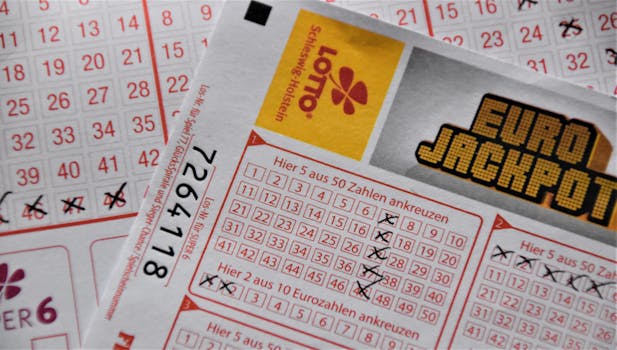
In modern times, while the legality of gambling in Japan is strictly regulated, certain forms like betting on horse racing, pachinko, and the national lottery are widely popular. In these contexts, fortune telling continues to play a part, albeit in a more commercial and often entertainment-focused manner.
For instance, before a big race day or a lottery draw, it's not uncommon to find special segments in magazines, television programs, and even mobile apps dedicated to predictions. These modern forms of uranai blend traditional practices with technological advancements, providing gamblers with predictions that are based on a mix of astrological readings, numerical analysis, and sometimes, whimsical elements like dream interpretation.
Popular Methods of Fortune Telling in Gambling
One of the most popular methods of fortune telling used in gambling is based on the Japanese zodiac, similar to the Chinese zodiac, which assigns an animal sign to each year in a 12-year cycle. Gamblers might choose their betting numbers based on the traits or the luck forecast of their zodiac sign for that year.
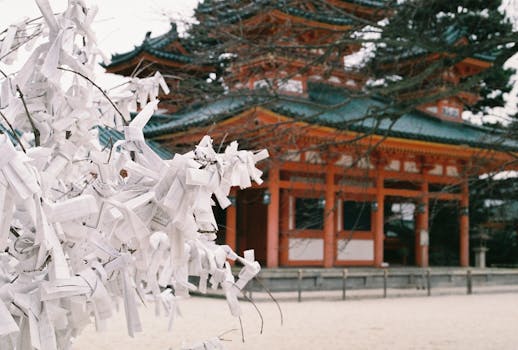
Another method involves the use of "omikuji", which are fortune-telling strips found at Shinto shrines and Buddhist temples. These strips can predict the level of luck one might expect in various aspects of life, including gambling. It’s common for gamblers to draw an omikuji before a game to determine their potential luck for the day.
Psychological Impact of Fortune Telling on Gamblers
The psychological aspect of fortune telling in gambling cannot be understated. For many gamblers, engaging in fortune telling provides a sense of security and control over the uncertain outcomes of gambling. It can reduce anxiety associated with the risks of losing, by framing the outcome as part of a larger cosmic plan, which might be easier to accept.
Moreover, this practice can also influence decision-making. A gambler who believes they have received a favorable prediction may be more confident and aggressive in their betting strategies. Conversely, a poor fortune might lead to more cautious betting or choosing not to gamble at all.
Criticisms and Challenges
Despite its cultural significance, fortune telling in gambling also faces criticisms, particularly concerning its potential to encourage irrational behavior and dependency. Skeptics argue that over-reliance on supernatural predictions can detract from the skill and strategy aspects of gambling, potentially leading to problem gambling behaviors.
Furthermore, the commercialization of fortune telling, where predictions are sold as entertainment or as a gambling aid, also raises ethical concerns about exploitation and misinformation.
Conclusion
Fortune telling in Japanese gambling is a complex phenomenon that blends cultural traditions with modern entertainment and psychological needs. While it offers a unique way for gamblers to engage with the uncertainty of gambling outcomes, it also poses ethical and psychological challenges. As the gambling landscape in Japan continues to evolve, the role of fortune telling will likely adapt, maintaining its allure and providing fascinating insights into the cultural psychology of gambling in Japan.
In conclusion, whether one views fortune telling in gambling as a harmless cultural practice or a potentially problematic element, its role in Japanese gambling culture is undeniably significant and provides a unique window into the interplay between fate, luck, and human behavior in the context of risk and reward.