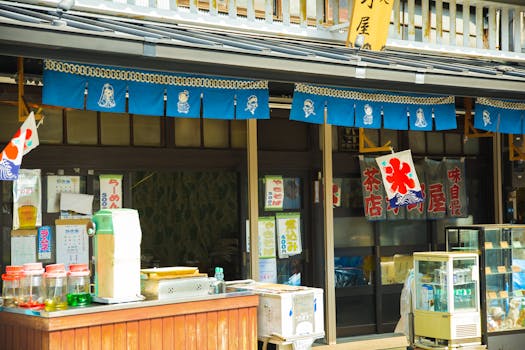
Japan’s fascination with fate, luck, and destiny is woven deeply into its culture, from the ancient tea leaves read by Shinto priests to the modern fortunes drawn at bustling shrines. Yet, nowhere is this intersection of belief and chance more intriguing than in the world of Japanese gambling. As legal gambling in Japan grows into a multi-billion dollar industry, fortune telling has continued to play a subtle but persistent role, shaping the behavior, expectations, and even the rituals of gamblers across the country. This article takes you on a journey into how divination and fortune telling intersect with Japanese gambling, highlighting cultural practices, statistical insights, and the unique ways in which the Japanese seek to glimpse — and perhaps sway — their gambling destinies.
The Cultural Roots of Divination in Japan
Fortune telling, or “uranai” (占い), is an ancient and respected tradition in Japan. Historical records show that divination was practiced as early as the Heian period (794-1185 AD), often used by aristocrats and samurai to guide decisions in war, politics, and daily life. Shinto priests and Buddhist monks would interpret omens, read celestial events, and consult oracles to predict the future. Over the centuries, these practices filtered down to the general population.
Today, fortune telling is widely accessible, from TV shows and newspaper columns to smartphone apps and street-side booths. According to a 2022 survey by Statista, over 60% of Japanese respondents said they had consulted some form of fortune telling in the last year, with younger generations showing increased interest. Popular methods include tarot cards, palm reading, astrology, and omikuji (random fortunes drawn at shrines).
.png)
Gambling, meanwhile, is viewed with a mix of excitement and caution in Japan. While certain forms like pachinko, horse racing, and lotteries are legal and regulated, traditional casino gambling was only recently legalized in 2018. Despite strict regulations, the Japanese gambling market was valued at over $44 billion in 2023, making it one of the largest in the world. For many, the risk and reward of gambling naturally align with the desire to predict and influence fate — creating a perfect environment for fortune telling to thrive.
How Fortune Telling Shapes Gambling Behavior
The influence of divination in Japanese gambling is most visible in the rituals and decision-making processes of players. For some, consulting a fortune teller before a big game or draw is as essential as researching odds or practicing their technique.
For example, before purchasing lottery tickets, many Japanese people visit shrines to draw omikuji. These slips of paper, randomly drawn from wooden boxes, offer predictions ranging from “great blessing” (daikichi) to “great curse” (daikyo). A favorable fortune may encourage someone to buy a ticket, while a negative omen might deter them. According to a 2023 poll by the Japan Lottery Association, 27% of regular lottery players reported consulting omikuji or another form of divination before making purchases.
In the fast-paced world of pachinko, players often seek lucky charms or talismans (omamori) sold at temples. Some believe that specific colors, numbers, or even certain days are more auspicious. A 2021 survey found that 19% of pachinko players carried a lucky charm or amulet when playing, hoping to tip the odds in their favor.
Professional gamblers, particularly in horse racing (keiba), are known to consult astrology or numerology experts. Specialized magazines and websites offer predictions based on the zodiac, lunar cycles, or lucky numbers. For the more analytical-minded, these may be considered just another data point — but for others, they carry genuine weight.
Divination Methods Popular Among Gamblers
Japanese gamblers draw from a surprisingly wide array of fortune telling techniques. Here’s a breakdown of the most popular methods and how they’re used:
| Divination Method | Description | Common Gambling Application |
|---|---|---|
| Omikuji | Paper fortunes drawn at shrines | Guides lottery ticket purchases, game timing |
| Omamori | Lucky charms/amulets from temples | Carried during games for luck and protection |
| Astrology | Predictions based on zodiac signs and planetary positions | Picks auspicious days or numbers, especially in keiba betting |
| Numerology | Meaning and luck of numbers | Choosing betting numbers, slot machine selections |
| Palm Reading (Tesuji) | Reading hand lines for luck and fortune | Advice on when to play or take a break |
For example, numerology is particularly influential in games that involve number selection, such as lottery or horse racing betting. The number 7 is widely considered lucky in Japan, while the number 4 is avoided due to its association with death ("shi"). Some gamblers meticulously avoid or seek out certain numbers based on their perceived fortune.
Astrology columns and websites often publish weekly or monthly “lucky days” for each zodiac sign, which gamblers may use to time their visits to pachinko parlors or purchase of lottery tickets. Meanwhile, at large shrines during New Year's, lines of people wait to have their palms read or fortunes told — all hoping for a glimpse of luck for the year ahead.
Famous Cases and Anecdotes: When Divination Meets Big Wins
There are numerous tales — some legendary, some contemporary — that showcase the enduring belief in fortune telling’s power over gambling outcomes in Japan. Perhaps the most famous is the story of the “Lucky Daikichi Ticket.” In 2015, a lottery winner from Fukuoka claimed a ¥300 million (about $2.7 million) prize and credited her win to drawing a “great blessing” omikuji at a local shrine. The story made national headlines, with the shrine reporting a surge in visitors the following year, all eager to replicate her luck.
In the world of pachinko, stories abound of players who changed parlors or machines based on a fortune teller’s advice, only to hit large jackpots. Some horse racing fans still recount the 1998 “Lucky Zodiac Incident,” when a popular magazine’s astrological picks accurately predicted the top three finishers in the Japan Cup, leading to a record number of winners for the trifecta bet.
Of course, skeptics point out the law of large numbers: with millions of gamblers and thousands of predictions, some wins are bound to coincide with positive fortunes. Still, the psychological boost — and occasional headline-grabbing success — keeps the tradition alive.
Statistical Insights: Does Fortune Telling Really Work?
The billion-yen question is: does consulting fortune tellers or using lucky charms actually improve gambling results? Scientific studies on the topic are rare, but surveys and behavioral studies provide some insight.
A 2021 study by Kyoto University examined 1,200 regular gamblers and found that those who engaged in fortune telling or ritualistic behavior reported higher satisfaction and enjoyment, but no statistically significant improvement in actual winnings. However, these rituals did correlate with longer play sessions and higher overall spending. In other words, while fortune telling may not alter the odds, it impacts the gambling experience — sometimes for better, sometimes for worse.
Another interesting data point comes from the Japan Horse Racing Association, which found that during “auspicious” days in the lunar calendar, betting volume increased by up to 18% compared to average days, but payout ratios remained unchanged. This suggests that while belief in luck and fortune telling drives participation, it doesn’t necessarily translate to better outcomes.
Still, the placebo effect is real. Believing in one’s luck can reduce anxiety and boost confidence, which may lead to better decision-making in skill-based games. For many, the comfort of a talisman or the reassurance of a good fortune is worth more than any statistical edge.
Modern Trends: Technology, Social Media, and the Digital Fortune Boom
As Japanese society becomes increasingly digital, so too does the practice of divination. Smartphone apps offering daily horoscopes, virtual omikuji, and numerology readings have become popular — especially among younger gamblers. Platforms like LINE and Twitter host fortune-telling bots, some boasting tens of thousands of followers.
Online gambling, while still limited by law, has seen an uptick in the use of digital fortune telling. Players can consult virtual tarot readers or download lucky wallpapers said to improve their odds. Some online casinos targeting Japanese players even feature built-in “lucky number” generators and astrology-based tips.
This digital shift has democratized fortune telling, making it more accessible than ever. It has also blurred the line between entertainment and belief, as users treat divination both as a source of fun and a genuine tool for luck.
Fortune Telling’s Enduring Appeal in Japanese Gambling
Despite the rise of analytics, probability calculators, and big data, the allure of fortune telling remains strong in Japanese gambling. For many, the act of consulting a fortune teller or carrying a lucky charm is less about beating the odds and more about engaging with a rich cultural tradition — connecting the thrill of chance with the hope for destiny’s favor.
Whether or not divination truly influences outcomes, it undeniably shapes the gambling experience. It provides comfort, excitement, and a sense of agency in games of random chance. As Japanese gambling evolves, fortune telling will likely continue to adapt, blending ancient rituals with new technologies and trends.