Japanese Lottery Systems: A Blend of Chance and Strategy
Lotteries have long held a spot in the hearts of many around the world, combining the thrill of chance with the dream of life-changing winnings. Japan’s lottery system, known as "takarakuji", is no exception. However, what sets the Japanese lottery apart is its intricate blend of tradition, chance, and a hint of strategy that appeals to both casual participants and more serious gamblers. In this article, we will explore the various aspects of the Japanese lottery system, its different types, and whether it leans more towards a game of chance or if there is room for strategy.
The Structure of Japanese Lottery
.png)
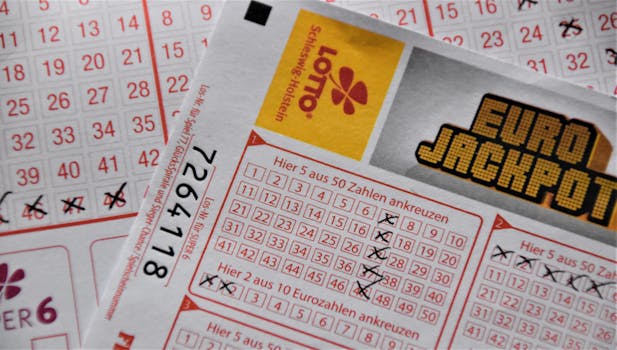
The Japanese lottery offers several types of games, each with its own set of rules and odds. The most popular types include the Numbers and Loto series. "Numbers" games (Numbers 3 and Numbers 4) involve choosing the correct combination of numbers, while "Loto" games (such as Loto 6 and Loto 7) require picking several numbers from a larger set. The chances of winning vary greatly depending on the game and the number of participants.
A Game of Chance
Like all lotteries, the core essence of Japanese lottery games is chance. Each number has an equal opportunity of being drawn, and every ticket has an equal chance of winning, theoretically making the system fair and unbiased. The randomness of the draw is essential to the integrity of the game, ensuring that all players have a fair shot at the jackpot regardless of their experience or skill level.
The Role of Strategy
While the primary factor in winning a lottery is luck, there are several strategies that players implement in hopes of increasing their odds. Some common strategies include:
- System Bets: In games like Loto 6 and Loto 7, players can choose to play a system bet where they select more numbers than the standard ticket requires. This increases their chances of hitting some of the winning numbers but also increases the cost of the ticket.
- Number Frequency Analysis: Some players analyze the frequency of numbers drawn in past lotteries to predict which numbers are more or less likely to appear in future draws. This method, however, is speculative and does not guarantee success due to the random nature of the draw.
- Joining Lottery Pools: Some players increase their chances by joining forces with other players. By pooling their money together, they can purchase more tickets and thereby increase their odds of winning. This strategy does indeed improve odds, but it also means sharing the winnings.
Cultural and Economic Impact
The Japanese lottery does not just serve as a form of gambling; it also plays a significant role in Japan’s economy and social services. A substantial portion of the revenue generated from lottery ticket sales is allocated to various public projects, including educational and social welfare programs. This redistribution of wealth contributes to the lottery’s popularity and acceptance within Japanese society.
Legal and Ethical Considerations
The operation of lotteries in Japan is heavily regulated by the government to ensure fairness and transparency. Strict laws are in place to prevent fraud and manipulation, protecting the integrity of the games and the interests of the players. Moreover, the lottery system is designed to be ethical, with clear rules and equal chances for all participants.
Conclusion: Chance with a Touch of Strategy
In conclusion, while the Japanese lottery is predominantly a game of chance, there are elements of strategy that players can employ, albeit with no guarantee of success. The blend of chance and strategy, coupled with the cultural significance and economic benefits of the lottery, makes it a fascinating aspect of Japanese society.
Whether one views the Japanese lottery as a mere game of chance or a strategic challenge, it undoubtedly continues to capture the imaginations of millions, offering both the dream of financial transformation and the excitement of the draw. The lottery remains a testament to the human fondness for games of chance and the universal appeal of hope and possibility.