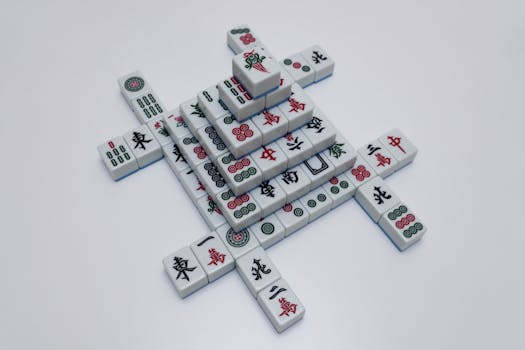
The gambling industry in Japan is a fascinating case study of cultural adaptation and economic strategy. Unlike the overtly glamorous casinos of Las Vegas or the sprawling gambling halls of Macau, Japan’s approach combines its rich heritage with modern tourism and entertainment strategies, notably through the development of Integrated Resorts (IRs). Such developments are poised to transform the landscape of leisure and entertainment in Japan, integrating luxury hotels, state-of-the-art conference facilities, and entertainment arenas alongside casinos.
Pachinko, a game resembling a mix of pinball and slots, is emblematic of Japan’s unique gambling culture. Despite its arcade-style mechanics, Pachinko is a major economic activity, unofficially contributing a substantial revenue stream, reportedly in the vicinity of $200 billion annually. This figure not only highlights Pachinko's popularity but also its significant role as an economic driver.
The legalization of public sports betting on activities like horse racing, bicycle racing, and powerboat racing further illustrates the controlled expansion of gambling in Japan. These activities are heavily regulated, with considerable oversight by governmental bodies, ensuring that they contribute positively to the economy through taxation and regulated growth.
.png)
The potential for casinos in Japan has been met with both enthusiasm and caution. The government’s initiative to establish IRs aims to capture a slice of the lucrative Asian gaming market, which has been predominantly dominated by Macau. These IRs are expected to attract a surge in tourism, particularly from other Asian countries where gambling is a popular activity but opportunities are limited by stricter regulations.
However, the introduction of casinos in Japan is not without its hurdles. Social concerns, particularly around gambling addiction, are paramount. In response, the Japanese government has proposed preventative measures such as entry fees for local residents and strict operational regulations to mitigate the risk of gambling addiction. These measures reflect a proactive approach to balance economic benefits with social welfare.
Economically, the implications of expanding the gambling sector through IRs extend beyond direct revenues. The construction of these complexes is anticipated to generate considerable employment, stimulate local economies, and enhance the service and hospitality sectors. The ripple effects of such developments could significantly bolster economic growth in various peripheral industries.
Moreover, Japan’s strategic approach to gambling—blending traditional elements with innovative tourism strategies—may set a new precedent in the global gaming industry. This fusion not only caters to international tourists but also preserves the unique aspects of Japanese culture, potentially offering new, culturally enriched gaming experiences.
In summary, while Japan’s gambling industry is relatively nascent when compared to established markets like Las Vegas or Macau, its strategic developments and cultural integration suggest a promising future. With judicious regulation and a commitment to sustainable growth, Japan could very well transform into a significant player in the global gambling market, leveraging this sector as a catalyst for broader economic expansion and cultural exchange. As developments unfold, the global community watches keenly, anticipating Japan's next moves in this dynamic industry.