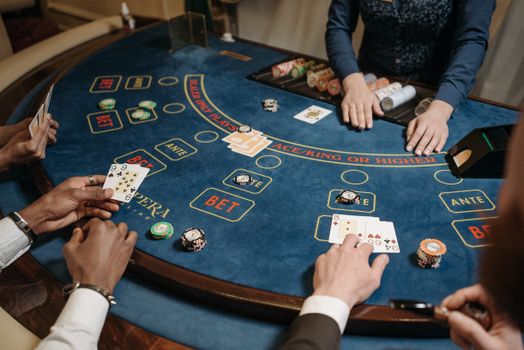
Casinos have become a defining feature of many Native American reservations across the United States, representing both economic opportunity and cultural complexity. For more than three decades, tribal gaming has been at the heart of conversations about indigenous sovereignty, economic development, and social change. In this article, we’ll explore the multifaceted impact of casinos on Native American reservations, delving into economic outcomes, social effects, legal frameworks, and the broader implications for Native communities.
The Rise of Tribal Casinos: Historical Context and Growth
The story of casinos on Native American reservations begins with a fight for economic self-determination and sovereignty. In the early 1970s, faced with persistent poverty and lack of opportunity, several tribes began running bingo halls and small-scale gaming ventures on their lands. The landmark 1987 Supreme Court case California v. Cabazon Band of Mission Indians affirmed tribal rights to operate gaming facilities independent of state regulation, setting the stage for a transformative era.
This legal precedent led to the Indian Gaming Regulatory Act (IGRA) of 1988. The act established a regulatory framework for tribal casinos, requiring tribes to negotiate compacts with states for certain types of gaming while affirming tribal sovereignty. By 2022, there were over 520 tribal gaming operations managed by nearly 250 tribes in 29 states, according to the National Indian Gaming Commission (NIGC).
.png)
The growth has been staggering:
- In 2022, Native American casinos generated over $40.9 billion in gross gaming revenue. - Tribal gaming accounted for nearly 45% of all casino revenue in the U.S. - The number of tribal casinos has more than quadrupled since 1990.This rapid expansion has made gaming the single largest source of income for many tribes, fundamentally altering the economic landscape of reservations.
Economic Impact: Prosperity and Disparities
The promise of economic revitalization has been a driving force behind the adoption of casinos on reservations. For many tribes, gaming revenue has enabled unprecedented investment in infrastructure, education, healthcare, and social services. The numbers tell a compelling story:
- Over 700,000 jobs are supported by tribal gaming nationwide, including both direct and indirect employment. - Some tribes, such as the Mohegan and Mashantucket Pequot in Connecticut, have used casino profits to fund college scholarships, housing, and health clinics. - The Choctaw Nation in Oklahoma reports using gaming revenue to support over 200 programs and services for its members.However, the benefits are not evenly distributed. While some tribes have achieved dramatic improvements in quality of life, others have seen limited financial gains due to location, market saturation, or state compact terms.
| Tribal Casino (State) | Estimated Annual Revenue | Tribal Population | Per Capita Distribution |
|---|---|---|---|
| Foxwoods Resort (CT) | $1.2 billion | ~1,100 | $100,000+ |
| WinStar World (OK) | $1.6 billion | ~223,000 | $2,000-$3,000 |
| Chumash Casino (CA) | $300 million | ~150 | $350,000+ |
| Pine Ridge (SD) | $30 million | ~28,000 | $0 (no direct payout) |
As this table illustrates, the impact varies widely. Smaller tribes near urban centers (like the Chumash) can generate substantial per capita payments, while larger, rural tribes (such as Pine Ridge) may see little direct financial benefit.
Social and Cultural Effects: Balancing Tradition and Modernity
Casinos have brought more than just money to Native American reservations—they’ve triggered significant social and cultural changes as well. On one hand, increased funding has allowed for the revitalization of languages, traditions, and ceremonies through cultural centers and education programs. Some tribes have invested in museums, powwows, and language immersion schools, directly funded by gaming revenue.
However, the influx of wealth and outside influence has also presented challenges:
- Increased rates of gambling addiction have been reported in some reservation communities, with studies finding higher prevalence compared to national averages. - The social fabric of smaller communities can be strained by rapid economic change, shifting power dynamics, and new forms of inequality. - In some cases, traditional leadership structures and values have been challenged by the demands of running large, complex business operations.Despite these tensions, many tribal leaders see casinos as a tool for cultural preservation when managed thoughtfully. The key is balancing economic opportunity with community values and long-term sustainability.
Legal and Political Dimensions: Sovereignty and State Relations
The legal landscape surrounding Native American casinos is complex, reflecting the ongoing struggle for tribal sovereignty. The Indian Gaming Regulatory Act (IGRA) requires tribes to negotiate compacts with state governments for the operation of "Class III" (casino-style) gaming. This process often becomes politically charged, as states seek revenue sharing and regulatory oversight.
Key facts:
- As of 2023, 29 states have tribal-state gaming compacts. - Some states, like California, have negotiated substantial revenue-sharing agreements, while others, such as Oklahoma, have seen legal battles over compact renewals. - The U.S. Supreme Court continues to rule on cases defining the limits of tribal sovereignty in gaming, such as the 2022 Ysleta del Sur Pueblo v. Texas decision, which clarified tribal rights to offer certain games.These legal battles underscore the broader political significance of casinos: they are not just businesses, but symbols of self-determination and tools for negotiating tribal-state-federal relationships.
Economic Diversification and Long-Term Sustainability
While casino gaming has been a game-changer for many tribes, there is growing awareness of the need for economic diversification. The casino industry is subject to market fluctuations, increased competition, and changing consumer habits—especially with the rise of online gaming and sports betting.
A 2021 report by the Harvard Project on American Indian Economic Development found that tribes investing gaming profits into diversified business ventures—such as hospitality, renewable energy, and real estate—are better positioned for long-term stability. For example:
- The Seminole Tribe of Florida has expanded its Hard Rock brand globally, owning hotels, cafes, and entertainment venues across several countries. - The Ho-Chunk Nation in Wisconsin has invested in construction, real estate, and renewable energy projects. - Several tribes have launched technology startups or partnered with outside businesses to create jobs beyond casino operations.This shift reflects a broader vision of tribal sovereignty—one that embraces economic independence beyond gaming alone.
Community Perspectives: Voices from the Reservations
Perhaps the most important aspect of the casino debate is the perspective of Native American communities themselves. For many, gaming represents both hope and complexity. Interviews and surveys reveal a range of views:
- A 2020 National Congress of American Indians survey found that over 70% of tribal members believe casinos have improved their community’s quality of life. - Many tribal elders emphasize the importance of using casino profits to fund health care, education, and cultural preservation. - Critics within tribes warn of the social risks of dependency on gaming revenue and the potential erosion of traditional values.As one tribal leader put it: “Casinos are a tool—how we use them is up to us. Our challenge is to honor our ancestors while building a future for our children.”
Looking Ahead: The Evolving Role of Casinos on Native American Reservations
The impact of casinos on Native American reservations is as complex as it is profound. While they have generated billions of dollars and transformed the economic fortunes of many tribes, casinos have also brought new challenges and questions about sovereignty, sustainability, and cultural identity.
As the gaming industry continues to evolve—with online gambling, sports betting, and changing legal frameworks—tribal nations face important choices about how to leverage their hard-won gains. The most successful examples point to a future where casinos are just one part of a broader strategy for community empowerment, cultural renewal, and self-determination.