Japan is often celebrated for its contrasting traditions and modern advancements. Nowhere is this duality more evident than in its approach to gambling laws. While Japan is known for its strict regulations against most forms of gambling, it simultaneously fosters a thriving scene for certain games, such as pachinko and lottery. This paradoxical stance has fueled debate, policy evolution, and, recently, the introduction of integrated casino resorts. In this article, we delve into the complexities, cultural influences, and recent developments that define the duality of Japan’s gambling laws.
The Foundations of Japan’s Gambling Laws: Strict Yet Selective
Japan’s gambling laws are rooted in the Penal Code of 1907, which, in Article 185, broadly prohibits gambling activities. The law states that anyone who gambles shall be punished by a fine or detention. This sweeping ban extends to most games of chance, from roulette to poker, and has traditionally been enforced with vigor.
Yet, exceptions have been carved out for activities considered culturally significant or beneficial to public interests, such as horse racing, bicycle racing (keirin), lottery (takarakuji), and the iconic pachinko parlors. These are regulated under special laws and government oversight.
.png) Key facts:
- The Japanese government earned over ¥900 billion (roughly $6.4 billion USD) in 2021 from public-run gambling activities.
- Pachinko alone generates an estimated ¥15-20 trillion ($110-$147 billion USD) annually, making it one of the world's largest gambling markets.
- Illegal gambling remains punishable by fines up to ¥500,000 ($3,700 USD) and potential jail time.
Key facts:
- The Japanese government earned over ¥900 billion (roughly $6.4 billion USD) in 2021 from public-run gambling activities.
- Pachinko alone generates an estimated ¥15-20 trillion ($110-$147 billion USD) annually, making it one of the world's largest gambling markets.
- Illegal gambling remains punishable by fines up to ¥500,000 ($3,700 USD) and potential jail time.
The law’s dual structure—strict prohibition with selective exceptions—creates an environment where gambling is both outlawed and omnipresent, depending on the game and context.
Pachinko: The Loophole That Became a Giant
Pachinko, a pinball-style game unique to Japan, occupies a curious legal gray area. Technically, pachinko is classified as an amusement activity rather than gambling. Players purchase metal balls, play the machines, and win more balls, which they cannot exchange directly for cash within the parlor. Instead, they exchange their winnings for tokens or prizes, which can then be exchanged for cash at separate, often nearby, establishments.
This indirect exchange system allows pachinko to skirt Japan’s strict gambling laws. It’s a legal fiction that is widely known but tolerated, as the industry provides jobs and significant tax revenue.
Consider these statistics: - There are over 7,600 pachinko parlors across Japan as of 2023. - The industry employs more than 230,000 people. - Pachinko revenues have historically exceeded the combined revenues of Japan’s legal lotteries, horse racing, and keirin cycling.Despite its popularity, pachinko faces criticism for fostering addiction. According to a 2017 government survey, roughly 3.2 million Japanese adults exhibit signs of gambling addiction, with pachinko being the most common form.
Legalized Gambling: Horse Racing, Keirin, and Lottery
While most gambling is illegal, certain forms are permitted under tightly controlled conditions. These include:
- Horse Racing (Keiba): Managed by the Japan Racing Association (JRA), with strict government oversight. In 2022, the JRA reported sales of ¥3.2 trillion ($23.6 billion USD). - Keirin (Bicycle Racing): Originating after World War II to raise government funds, keirin now generates over ¥1 trillion ($7.4 billion USD) in annual wagers. - Lottery (Takarakuji): Administered by local governments, Japan’s lottery sales reached over ¥800 billion ($5.9 billion USD) in 2021. - Boat and Motorcycle Racing: These smaller betting markets are also state-regulated.All these activities are justified as public-interest enterprises, with large portions of proceeds going to government coffers, public works, and charity. Betting is only permitted at licensed venues or through official online channels.
Here’s a comparative overview:
| Type | Legal Status | 2022 Revenue (USD) | Regulator |
|---|---|---|---|
| Pachinko | Legal (gray area) | $110-147 billion | Self-regulating bodies |
| Horse Racing | Legal (regulated) | $23.6 billion | Japan Racing Association |
| Keirin | Legal (regulated) | $7.4 billion | Japan Keirin Association |
| Lottery | Legal (state-run) | $5.9 billion | Local governments |
While these figures pale compared to the pachinko industry, they illustrate the significant role state-sanctioned gambling plays in Japan’s economy.
The Casino Debate: Integrated Resorts and Cultural Concerns
For decades, Japan resisted calls to legalize casinos, citing concerns over organized crime, addiction, and social disruption. However, in 2016, the Integrated Resort (IR) Promotion Law marked a turning point. The government authorized the development of resort complexes that could include casinos, hotels, conference centers, and entertainment facilities.
The first three integrated resort licenses were set for Osaka, Yokohama (later withdrawn), and Nagasaki, with Osaka’s project scheduled to open in 2029. These resorts are expected to draw millions of tourists and generate billions in revenue. Osaka’s IR alone is projected to attract 20 million annual visitors and generate up to ¥1.14 trillion ($8.4 billion USD) per year.
Nonetheless, the move sparked significant controversy. Critics worry about: - A rise in gambling addiction (Japan already has one of the highest rates among developed nations). - Increased risk of money laundering and organized crime involvement. - The impact on Japan’s traditional “no-casino” image.To address these concerns, Japanese nationals visiting casinos will face a ¥6,000 ($44 USD) entrance fee and a cap of three visits per week or ten per month. Strict anti-addiction protocols and identity checks will be implemented.
Online Gambling: The Unregulated Frontier
Japan’s position on online gambling is clear in theory but murky in practice. Technically, all forms of online gambling—other than state-sanctioned betting—are illegal. Yet, thousands of Japanese citizens access foreign-based online casinos, poker rooms, and sports betting sites.
The government regularly issues warnings and has prosecuted high-profile cases, but enforcement is challenging due to jurisdictional issues and the offshore nature of many sites. As of 2023, Japan does not license or regulate any domestic online casino operators.
Interesting facts: - According to a 2022 survey by Statista, over 3% of Japanese adults reported participating in online gambling that year, despite its illegal status. - The Japanese government blocks access to some gambling sites but cannot comprehensively police the internet.This creates a landscape where Japanese players can gamble online, but do so at personal risk, without legal protections or recourse in case of fraud.
Cultural Attitudes and the Future of Gambling in Japan
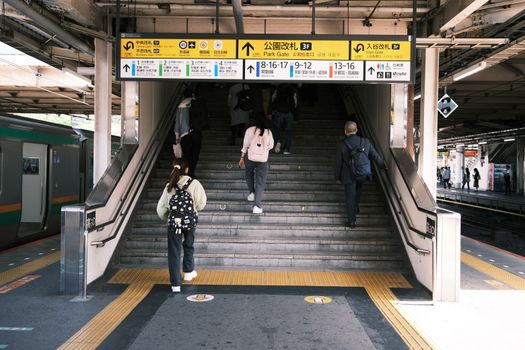
The duality of Japan’s gambling laws is deeply intertwined with cultural attitudes. On one hand, games like pachinko and state-run lotteries are part of everyday life, with parlors often located near train stations and shopping districts. On the other hand, gambling’s association with crime and addiction creates social stigma, especially around casinos and online betting.
Recent years have seen a slow shift in public opinion: - A 2020 poll by NHK found that 57% of Japanese respondents opposed casino legalization, while 27% were in favor. - Concerns about addiction and crime remain strong, but advocates highlight economic benefits and tourism potential.Ongoing debates focus on how to balance economic interests with social responsibility. Japan’s cautious, incremental approach reflects a desire to maintain control while adapting to changing realities.
Final Reflections on the Duality of Japan’s Gambling Laws
Japan’s gambling laws are a study in contrasts: rigid prohibition on one side, thriving exceptions on the other. This duality is shaped by history, culture, and evolving public attitudes. The rise of integrated resorts marks a new chapter, bringing both opportunity and risk. Meanwhile, the persistence of unregulated online gambling and the enormous pachinko industry ensure that gambling will remain a complex and contested issue in Japanese society for years to come.
While the future of gambling in Japan is uncertain, one thing is clear: the country’s unique legal landscape will continue to attract global attention and spark debate, reflecting the broader tension between tradition and modernity that defines so much of Japanese life.