Japan's Love Affair with Horse Race Betting: Culture, Numbers, and Modern Transformations
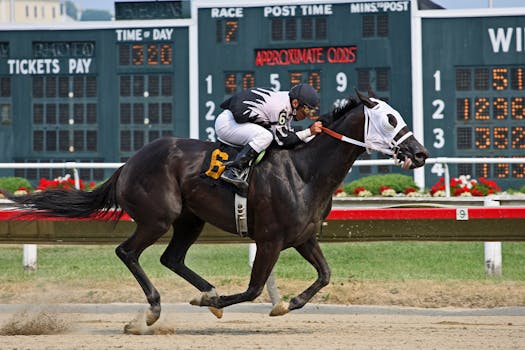
Japan is a nation steeped in tradition, where ancient rituals often blend seamlessly with the modern world. Among the many pastimes that captivate the Japanese public, horse race betting—known locally as "keiba"—stands out as a unique cultural phenomenon. Far from being a mere gambling activity, horse racing in Japan is a social event, a multibillion-dollar industry, and a pastime that reflects evolving attitudes toward risk, luck, and entertainment in Japanese society.
From the thunder of hooves at Tokyo Racecourse to the hum of off-track betting parlors in Shinjuku, horse race betting has captured the imagination of millions. As we delve into Japan's enduring romance with the racetrack, we uncover not only economic data and historical roots but also the rituals, innovations, and societal factors that have made keiba a national institution.
The Historical Roots of Japanese Horse Racing
While many associate Japanese horse racing with the glitz and glamour of modern tracks, its roots reach back centuries. Horses first arrived in Japan from the Asian mainland around the 5th century, and by the 8th century, equestrian sports featured in imperial ceremonies. However, organized horse racing as we know it began in the 19th century, influenced by Western traditions.
.png)
The first modern Japanese racetrack opened in Yokohama in 1862, catering primarily to foreign residents. By the early 20th century, racing had become a popular spectacle among Japanese citizens, with the Japan Racing Association (JRA) established in 1954 to regulate the sport and betting activities.
Key milestones include: - 1936: The Tokyo Yushun (Japanese Derby) is inaugurated, quickly becoming the country’s premier horse race. - 1981: The Japan Cup is launched, inviting international competitors and drawing global attention to Japanese racing. - 2023: Over 20,000 horses are registered with the JRA, highlighting the scale of the industry.These developments reflect not only the popularity of the sport but also Japan’s ability to adapt and refine foreign influences, making horse racing a distinctly Japanese experience.
The Economics of Keiba: A Multibillion-Dollar Industry
Horse race betting is far more than a niche hobby in Japan; it is a major economic powerhouse. In 2022, the total amount wagered on horse races in Japan exceeded 3.2 trillion yen (approximately $24 billion USD), making it one of the largest betting markets in the world.
The industry supports a vast ecosystem: - Over 10,000 jockeys, trainers, and stable staff are employed directly by the JRA and regional racing bodies. - More than 30 racecourses operate across the country, from Hokkaido in the north to Kyushu in the south. - An estimated 10 million Japanese adults participate in horse race betting annually, according to the JRA.Government regulation ensures that a significant portion of betting turnover is reinvested in the sport, while taxes on winnings contribute to public coffers. Unlike many forms of gambling, keiba is strictly controlled, with betting limited to official venues and online platforms licensed by the JRA or National Association of Racing (NAR).
Below is a comparative overview of horse race betting and other major forms of legal gambling in Japan:
| Gambling Type | Annual Revenue (2022, USD) | No. of Official Venues | Legal Age |
|---|---|---|---|
| Horse Race Betting (Keiba) | $24 Billion | Over 30 racecourses, 100+ OTBs | 20 |
| Pachinko | $30 Billion | ~7,600 parlors | 18 |
| Lottery (Takarakuji) | $7 Billion | Thousands of outlets | 18 |
| Boat Racing (Kyotei) | $8 Billion | 24 venues | 20 |
Despite fierce competition from pachinko and lotteries, horse racing remains a central pillar of Japan’s regulated gambling landscape.
Keiba as a Social and Cultural Event
What sets horse race betting apart in Japan is its social dimension. Unlike the solitary nature of pachinko or the fleeting excitement of a lottery ticket, keiba brings people together. On major race days, venues like Tokyo Racecourse can attract over 100,000 spectators, transforming the event into a festival.
Key elements of the keiba experience include: - Family-friendly environment: Many racetracks feature playgrounds, food stalls, and open spaces, making them popular weekend destinations for families. - Fashion and tradition: The Japan Cup and Tokyo Yushun are known for their festive dress codes, with visitors donning everything from business suits to elaborate hats. - Rituals and superstitions: Bettors often visit local shrines to pray for luck, and some even bring lucky charms or follow elaborate routines before placing their bets.Keiba also enjoys a prominent place in Japanese popular culture. It appears regularly in manga, films, and television dramas, with famous horses like Deep Impact and Orfevre achieving near-celebrity status.
The Mechanics of Betting: From Paper Tickets to Digital Platforms
Japan’s approach to horse race betting is both traditional and cutting-edge. Bettors can choose from a wide range of wager types, including win, place, exacta, trifecta, and more exotic combinations. The minimum bet is typically 100 yen, making keiba accessible to a broad audience.
Until the early 2000s, most bets were placed in person at racetracks or off-track betting (OTB) facilities. However, technological advancements have transformed the betting landscape:
- In 2002, the JRA launched its first online betting system. By 2021, over 70% of all bets were placed via online platforms or mobile apps. - The JRA’s "IPAT" system (Internet Personal Access Terminal) allows registered users to bet on races nationwide, check results, and manage winnings from their smartphones. - Stringent identity checks and age verification systems are used to ensure compliance with legal and ethical standards.This digital transformation has expanded the reach of keiba beyond urban centers, making it a truly national pastime. During the COVID-19 pandemic, for example, online betting helped sustain the industry while physical attendance at racecourses was restricted.
The Unique Appeal: Why Horse Race Betting Captivates Japan
The enduring popularity of horse race betting in Japan can be attributed to several intertwined factors:
1. $1: The JRA and NAR maintain rigorous standards for race integrity, horse welfare, and financial transparency. This reassures bettors that outcomes are fair and above board, a crucial consideration in risk-averse Japanese society. 2. $1: Unlike pure games of chance, keiba allows for research and skillful analysis. Detailed race data, horse pedigrees, and jockey statistics are widely available, enabling enthusiasts to hone their strategies over time. 3. $1: From casual office pools to lifelong friendships forged at the track, keiba is as much about socialization as it is about winning. The rituals of betting—reading the race book, consulting tipsters, sharing predictions—create a sense of camaraderie. 4. $1: Japanese-bred horses have achieved international success, notably winning the Dubai World Cup and Prix de l’Arc de Triomphe trials. This global recognition fuels domestic pride and interest. 5. $1: With bets as low as 100 yen, horse racing is an affordable way for people of all backgrounds to enjoy the thrill of competition and the possibility of a big win.The Future of Keiba: Trends and Challenges Ahead
As Japan’s population ages and recreational habits shift, the horse racing industry faces both opportunities and challenges. Several key trends are shaping the future of keiba:
- $1: The JRA reports that the average age of racetrack visitors is gradually rising. To attract younger fans, racecourses are incorporating digital entertainment, music festivals, and esports tie-ins. - $1: Animal welfare standards are under increasing scrutiny, prompting investment in better veterinary care, retirement programs for horses, and stricter race-day protocols. - $1: With growing interest from overseas owners and jockeys, Japanese racing is becoming more global. The Japan Cup, for example, now regularly features entries from Europe, Australia, and North America.Despite these changes, the core appeal of keiba remains intact: a blend of sport, spectacle, and sociability that continues to enchant old and new generations alike.
Final Reflections: Why Japan’s Bond with Horse Race Betting Endures
Japan’s love affair with horse race betting is more than a story of economic success or sporting achievement. It is a reflection of the country’s ability to blend tradition with innovation, creating spaces where people gather not just to gamble, but to share in collective excitement and ritual.
Whether through the roar of the crowd at Tokyo Racecourse or the quiet anticipation of an online bet, keiba embodies the Japanese spirit of community, discipline, and appreciation for both chance and skill. As the industry evolves, its deep roots in the national psyche ensure that horse race betting will remain a cherished pastime for decades to come.