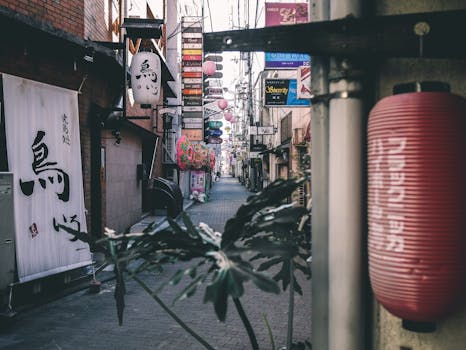
Japan’s gambling scene, distinctively shaped by its cultural and legal frameworks, offers a fascinating contrast to the more liberal gambling environments found in the West. This divergence is primarily evident in the regulatory systems, the types of popular gambling activities, and the societal attitudes towards gambling.
Regulatory Framework and Legal Gambling Forms
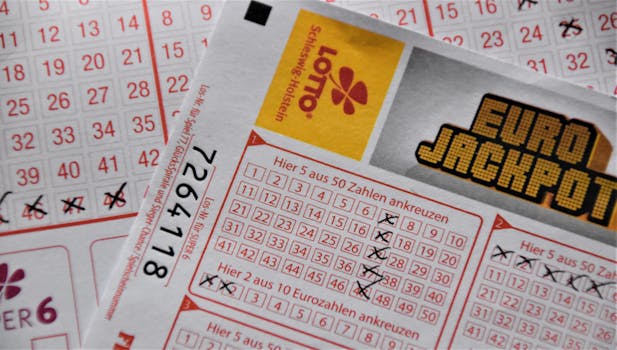
The Japanese government strictly controls gambling, with only limited forms legally permitted. These include public sports like horse racing and bicycle racing, and lotteries. A standout in Japan's gambling culture is Pachinko, a game that blurs the lines between amusement and gambling. Pachinko parlors are ubiquitous across Japan, yet the game remains in a legal grey area because cash payouts are not directly provided; instead, players receive tokens that can be exchanged for money at separate venues.
.png)
In contrast, the gambling scene in many Western countries encompasses a wide array of legally recognized gambling activities. Casinos in these regions are not just gaming venues but also serve as entertainment hubs, featuring a variety of games such as slots, poker, and roulette. Moreover, online gambling has grown extensively, supported by advanced regulatory frameworks that manage everything from player safety to game fairness.
Cultural Perception and Participation
In Japan, gambling does not carry the same mainstream acceptance seen in many Western countries. While many participate in it, excessive gambling is frowned upon, reflecting a broader societal concern over addiction and personal responsibility. Consequently, Japan reports lower rates of gambling addiction than some Western nations, where gambling is often marketed as a fun and harmless leisure activity.
Western countries generally exhibit a more permissive attitude towards gambling, often integrating it with tourism and entertainment industries. This cultural acceptance is also reflected in the substantial resources allocated to address problem gambling, with numerous support networks and educational programs available.
Economic Impact and Popularity
Economically, gambling is a major industry in both regions but operates under different models. Japan’s Pachinko industry alone is a massive economic force, despite the country's restrictive gambling laws. However, the sector's growth is limited by these regulations, whereas in the West, a broader acceptance and legalization of different forms of gambling have allowed the industry to significantly impact local economies through job creation, tourism, and tax revenues.
Practical Examples
The contrast is stark when one compares Tokyo's vibrant Pachinko parlors to the lavish casinos of Las Vegas. While both serve as major draws for both locals and tourists, the nature and scale of gambling activities differ greatly. Las Vegas offers a holistic entertainment experience with shows, luxury hotels, and fine dining interspersed with gambling, unlike the more singular focus of Pachinko parlors.
Conclusion and Recommendations
For those interested in the global landscape of gambling, understanding these differences is crucial. It highlights how deeply cultural and legal contexts shape gambling practices. As Japan cautiously introduces Integrated Resorts, it remains to be seen how this development will integrate with the existing gambling ecosystem and whether it will align more closely with Western models. For international visitors and gambling enthusiasts, appreciating these nuances will not only enhance their experience but also deepen their understanding of each region's cultural fabric.