The unique gambling landscape in Japan, characterized by specific cultural and legal frameworks, offers a fascinating study into the psychology of Japanese gamblers. Unlike the Western model, where gambling is often driven by the lure of large financial gains, the Japanese approach is deeply intertwined with cultural values such as entertainment, community, and caution.
Cultural Emphasis on Entertainment and Community
In Japan, the concept of 'tanoshii'—finding joy and amusement—is a vital element of gambling activities. Games like pachinko, while resembling gambling, are primarily seen as forms of leisure. This perspective shifts the focus from profit to enjoyment and stress relief, drawing a stark contrast to gambling motives in many Western countries, where the end goal is often more economically driven.
.png)
The communal nature of Japanese gambling also stands out. Participating in pachinko, attending horse races, or gathering for a boat race is as much about socializing and experiencing the event with others as it is about the gambling itself. This reflects a broader societal value placed on group cohesion and community involvement, aspects that are less emphasized in Western gambling contexts where the experience can often be more solitary or competitive rather than cooperative.
Risk Aversion and Legal Constraints
The general risk-averse nature of Japanese society plays a significant role in shaping gambling behaviors. This is evident in the popularity of pachinko parlors, where the stakes are relatively low, and the rewards often non-monetary. Such settings provide the thrill associated with gambling but mitigate the risk of significant financial loss, aligning with a cautious approach to money that is prevalent in Japanese culture.
Furthermore, the legal restrictions on gambling in Japan have created a unique gambling environment. The majority of gambling activities are illegal or heavily regulated, leading to a culture that indulges in gambling in a controlled manner. This regulation not only ensures adherence to the law but also satisfies a societal preference for order and structure, even in leisure activities.
Superstition and Psychological Comfort
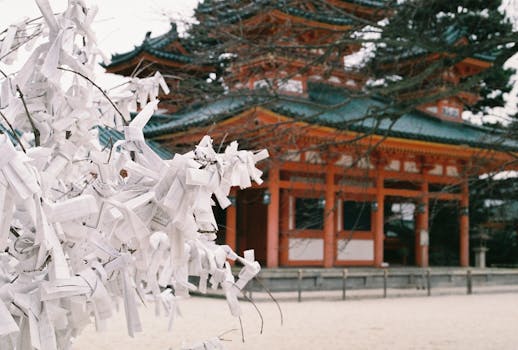
The influence of traditional beliefs and superstitions in Japanese gambling cannot be underestimated. Many gamblers engage in rituals or carry charms inspired by Shinto or Buddhist traditions, hoping to increase their luck. This practice provides psychological comfort and is a testament to the deep cultural roots that influence gambling behaviors, offering a sense of control or hope in an activity largely based on chance.
Looking Forward
As Japan gradually opens up to the concept of integrated resorts, which include casinos, it will be intriguing to see how these traditional psychological and cultural traits translate into this new era. Will the traditional emphasis on entertainment and community adapt to a more Western-style gambling environment? Or will these new venues adjust to accommodate the deeply ingrained cultural and psychological preferences of Japanese gamblers?
Understanding the psychology behind Japanese gambling provides valuable insights not only into their gambling practices but also into broader cultural and social dynamics. As Japan continues to balance its traditional values with modern gambling formats, the evolution of this sector will offer a unique lens through which to view changes in Japanese society and culture.