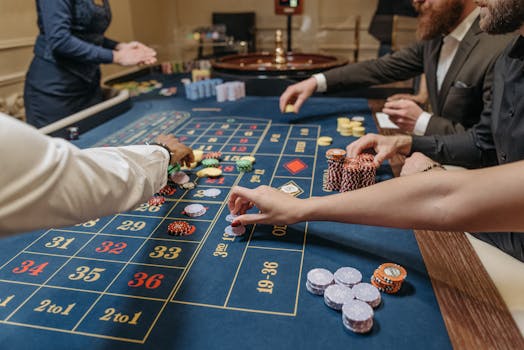
Japan’s relationship with gambling is both complex and intriguing. While most forms of gambling remain illegal under Japanese law, a flourishing underground gambling scene persists in the shadows. This hidden world blends tradition, risk, and secrecy, offering a unique lens through which to examine Japanese society, law enforcement, and the evolving landscape of entertainment. In this article, we delve into the underground gambling scene in Japan—exploring its origins, operations, key players, social impact, and the risks faced by those who participate.
The Origins and Evolution of Japan’s Underground Gambling
Despite Japan’s strict gambling regulations—rooted in the Criminal Code of 1907—illicit betting has deep historical roots. Traditional forms of gambling like hanafuda (flower cards) and dice games flourished during the Edo period (1603-1868), often operating in secret. When the law cracked down on these activities, gambling did not disappear; it merely adapted.
The modern underground gambling scene in Japan emerged in the aftermath of World War II, fueled by economic hardship and the proliferation of organized crime groups known as yakuza. These syndicates quickly recognized the profitability of illegal gambling, establishing clandestine dens and expanding into new gaming formats. By the late 20th century, underground gambling was tightly woven into the fabric of Japanese urban life, especially in cities like Tokyo, Osaka, and Yokohama.
.png)
Today, despite technological advances and shifting cultural attitudes, underground gambling remains a resilient and evolving enterprise. The market size is difficult to measure precisely due to its secretive nature, but some estimates suggest that illegal gambling in Japan could be worth as much as ¥1 trillion (approximately $6.7 billion USD) annually—dwarfing the legal gambling sector outside of government-sanctioned games like pachinko and lotteries.
How Underground Gambling Operations Work in Japan
Underground gambling in Japan takes many forms, but most operations share certain characteristics: secrecy, exclusivity, and a heavy reliance on word-of-mouth. Common formats include:
- Illegal casinos (known as “bakuchi-ba”), often hidden in basements or nondescript buildings. - Clandestine mahjong parlors, where stakes can reach tens of thousands of yen per hand. - Bookmaking rings for sports (especially baseball and soccer). - Unlicensed poker rooms, which have grown in popularity since the rise of Texas Hold’em globally.These venues typically require a trusted intermediary or invitation to enter. Surveillance cameras, security codes, and lookouts are standard features to guard against police raids. Many operations move locations frequently and employ sophisticated counter-surveillance tactics.
The yakuza’s involvement remains a defining feature. According to the National Police Agency, more than 60% of underground gambling establishments dismantled in recent years were linked to organized crime groups. The yakuza provide protection, enforce debts, and ensure discipline within the ranks. In return, they collect a cut from the profits—sometimes as much as 30-50%—and use the proceeds to fund other illicit activities.
Popular Games and Betting Formats in the Underground Scene
Unlike the brightly lit, legal pachinko parlors that dot Japanese cities, underground gambling offers a wider variety of games, often with higher stakes and fewer rules. Some of the most popular options include:
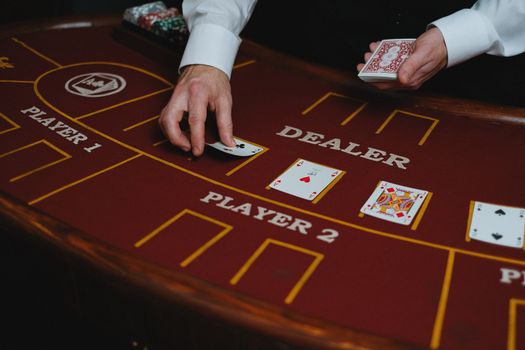
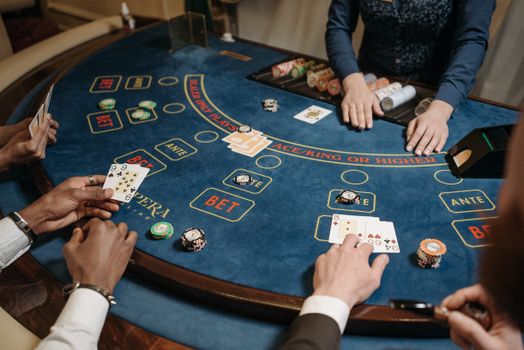
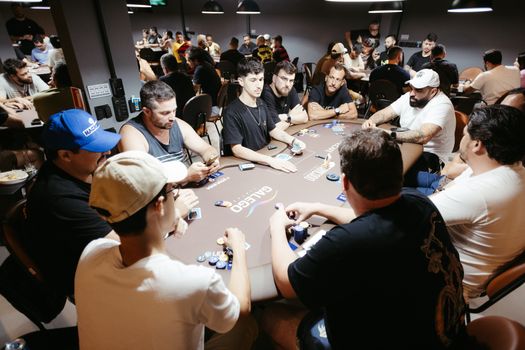
- Mahjong: An estimated 7.6 million Japanese play mahjong, with a significant portion participating in unlicensed games. High-stakes mahjong parlors remain a staple of the underground. - Poker: The popularity of Texas Hold’em has surged, and unlicensed poker rooms now operate in major cities, sometimes hosting tournaments with prize pools exceeding ¥10 million ($67,000 USD). - Baccarat and Roulette: These Western casino games are regularly found in illegal casinos, catering to both locals and foreign visitors. - Sports Betting: Although legal betting is available for horse racing, cycling, and boat racing, underground bookmakers offer odds on a broader range of events—especially Japanese baseball, which is deeply embedded in the nation’s culture.The following table provides an overview of legal and illegal gambling options in Japan:
| Gambling Format | Legal Status | Estimated Annual Market Size | Common Venues |
|---|---|---|---|
| Pachinko | Legal (quasi-gambling) | ¥19 trillion ($127 billion USD) | Pachinko parlors |
| Lotteries | Legal | ¥850 billion ($5.7 billion USD) | Lotto booths, convenience stores |
| Underground Casinos | Illegal | ¥1 trillion ($6.7 billion USD, est.) | Secret locations, private clubs |
| Mahjong Parlors (unlicensed) | Illegal | Unknown | Hidden parlors, backrooms |
| Sports Betting (underground) | Illegal | Unknown | Bookmakers, online, bars |
Law Enforcement and the Cat-and-Mouse Game
Despite periodic crackdowns, Japan’s underground gambling scene has proved remarkably resilient. The National Police Agency (NPA) reported more than 1,200 arrests for illegal gambling offenses in 2022, yet this represents only a fraction of the true scale. Enforcement efforts face several challenges:
- Secrecy and Mobility: Operations relocate frequently, and entry is tightly controlled. - Corruption: Although rare, there have been instances of law enforcement officials accepting bribes to look the other way. - Technology: The rise of encrypted messaging apps and the dark web has allowed bookmaking and payments to move online, making detection harder.When police do succeed in raiding underground gambling dens, penalties can be severe. Operators face up to five years in prison and hefty fines, while patrons may also be prosecuted—though first-time offenders often receive suspended sentences. The government’s recent moves towards legalizing integrated resorts (IRs) with casinos in select cities have added another layer of complexity, as authorities work to draw a clear line between regulated and illegal gambling.
Social Impact: Risks, Addiction, and Violence
The underground gambling scene in Japan is not without its dangers. Unlike regulated environments, these operations often lack safeguards to protect players from addiction, financial ruin, or exploitative practices.
- Gambling Addiction: Japan has one of the highest gambling addiction rates in the world. A 2017 government survey found that 3.6% of Japanese adults—about 3.2 million people—were suspected of having a gambling problem, a figure far higher than the global average. - Debt and Loan Sharks: Those who fall into debt often turn to illegal lenders (yamikin), who charge exorbitant interest rates and use intimidation or violence to collect. - Organized Crime: The yakuza’s involvement brings additional risks, including extortion, turf wars, and the laundering of criminal proceeds. - Social Stigma: Being caught gambling illegally can result in public shame, job loss, and strained family relationships.Despite these risks, the allure of quick money, excitement, and exclusivity continues to draw thousands into the underground gambling underworld each year.
Technology’s Role in Shaping the Future of Underground Gambling
The digital revolution has not bypassed Japan’s underground gambling scene. In recent years, there has been a marked shift towards online operations, enabling both operators and players to evade detection more effectively. Key trends include:
- Online Poker and Casino Games: Japanese-language online casinos, operated from overseas jurisdictions, attract thousands of players despite being technically illegal. - Cryptocurrency Payments: Bitcoin and other cryptocurrencies are increasingly used to settle bets, making transactions harder to trace. - Encrypted Messaging: Apps like LINE and Telegram facilitate secret communication between gamblers and bookies.The government has responded by tightening regulations on money transfers and increasing cooperation with international law enforcement. However, the pace of technological innovation often outstrips the ability of authorities to react, suggesting that underground gambling will remain a persistent issue for the foreseeable future.
The Enduring Allure and Risks of Japan’s Hidden Gambling World
Japan’s underground gambling scene is a testament to human ingenuity, risk-taking, and the enduring appeal of games of chance. Despite decades of prohibition and crackdowns, this shadowy underworld continues to adapt, fueled by technological change and a cultural fascination with luck and fortune.
For many, underground gambling offers a thrilling escape, a chance to defy authority, or simply the possibility of a big win. But the risks—legal, financial, and personal—are significant. As Japan moves towards a new era of regulated casinos and evolving digital landscapes, the fate of its underground gambling scene remains uncertain. What is clear, however, is that as long as demand exists, the cat-and-mouse game between operators and authorities will continue.