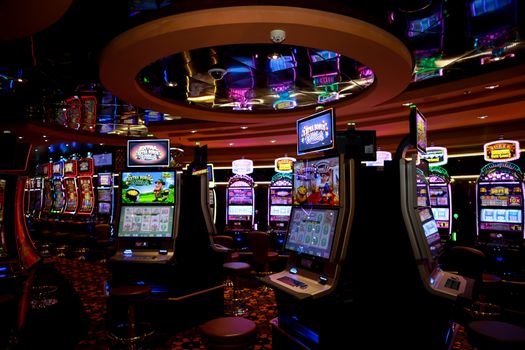
Gambling and casino culture have always held a unique place in Japanese society. While Japan may not be the first country that comes to mind when you think of glitzy casino resorts or bustling gaming floors, it boasts a rich and diverse landscape of casino games—both traditional and modern. From the iconic pachinko parlors that light up Tokyo’s neighborhoods to the recent legalization of integrated resorts, the choices for players are growing. But how do these games differ, and what should you know before diving in? In this comprehensive guide, we’ll compare the main types of casino games in Japan, examining their rules, popularity, legal status, and what makes each unique. Whether you’re a curious traveler, a gaming enthusiast, or considering a flutter online, understanding the distinctions can help you make informed and enjoyable choices.
The Landscape of Japanese Casino Gaming: A Brief Overview
Japan’s relationship with gambling is complex. For decades, most forms of gambling were officially prohibited under the Criminal Code, with a few notable exceptions. In 2023, the first integrated casino resort broke ground in Osaka, signaling a significant shift in policy and public perception. Yet, even before this, various forms of legal and quasi-legal gambling have thrived.
The four main categories of casino-style games in Japan include:
.png) 1. Pachinko and Pachislot Machines
2. Table Games (e.g., Baccarat, Blackjack, Poker)
3. Lottery and Public Sports Betting
4. Online Casino Games
1. Pachinko and Pachislot Machines
2. Table Games (e.g., Baccarat, Blackjack, Poker)
3. Lottery and Public Sports Betting
4. Online Casino Games
Each offers a different experience, regulatory framework, and appeal to players. According to a 2022 survey by the Japan Productivity Center, over 9 million Japanese adults have played pachinko at least once, making it by far the nation’s most popular gambling activity. Meanwhile, the introduction of table games in new integrated resorts is expected to generate over $4 billion in annual revenue by 2027, according to Morgan Stanley Asia.
Pachinko vs. Pachislot: Japan’s Homegrown Gaming Giants
Pachinko is to Japan what slot machines are to Las Vegas. Originating in the early 20th century, pachinko parlors now number over 7,600 nationwide, employing more than 250,000 people. The game is played on vertical pinball-like machines where players shoot balls that cascade through a maze of pins. Winning balls can be exchanged for prizes, which are then swapped for cash at separate locations—a legal workaround that keeps pachinko within Japan’s gambling regulations.
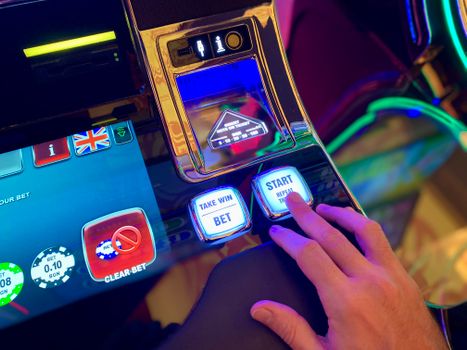
Pachislot, a portmanteau of “pachinko” and “slot,” is a hybrid game combining elements of traditional pachinko machines and Western-style slot machines. Pachislot machines feature spinning reels, bright LED screens, and a variety of mini-games and bonuses.
Let’s compare the two:
| Feature | Pachinko | Pachislot |
|---|---|---|
| Gameplay | Ball shooting, pinball-style | Slot reels, button-controlled |
| Number of Parlors (2022) | Approx. 7,600 | Approx. 7,000 (often co-located) |
| Winning Method | Accumulate balls, exchange for prizes | Line up symbols, win tokens |
| Popularity | Most popular (9M+ players) | Growing, especially among younger adults |
| Legal Status | Quasi-legal; prizes, not cash | Same as Pachinko |
Both games are characterized by their flashing lights, loud music, and immersive atmospheres. Pachinko is often seen as more random, while pachislot offers a sense of skill with its button-pressing mechanics. In 2021, the combined pachinko and pachislot market generated over ¥14 trillion (about $120 billion) in gross revenue, substantially more than Japan’s entire automobile export industry.
Table Games: A New Era with Integrated Resorts
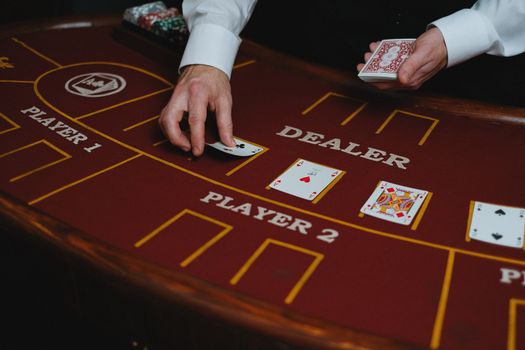
Traditional table games—such as baccarat, blackjack, and poker—have only recently become available in Japan. Until the passage of the Integrated Resort (IR) Implementation Act in 2018, these games were illegal outside of underground clubs. With IRs now under construction, Japanese players will soon have access to world-class casino floors featuring these classic games.
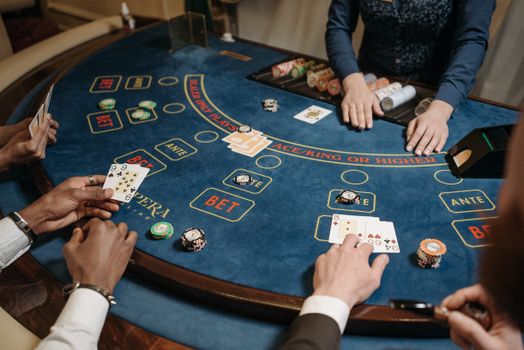
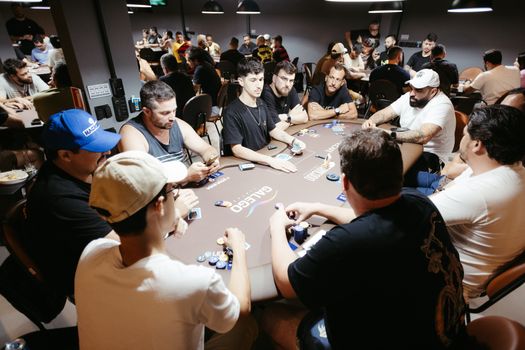
Table games are typically associated with high-stakes play and require a blend of luck and skill. Poker, in particular, has surged in popularity, driven by live tournaments and online platforms that circumvent Japanese regulations by offering prizes rather than cash.
Key facts about table games in Japan:
- As of 2024, no full-scale casino table gaming floors are open to the public, but Osaka’s IR is scheduled to open in 2029. - Poker tournaments are permitted if prizes are non-monetary (e.g., merchandise or invitations to overseas competitions). - Baccarat and blackjack are expected to be the primary draws in integrated resorts, following the example set by Macau and Singapore.For Japanese players, the arrival of legal table games represents a cultural shift, blending international casino culture with local expectations of hospitality and etiquette.
Lottery and Public Sports Betting: Legal and Structured Play
Not all gambling in Japan takes place in glitzy parlors or future resorts. The lottery (Takarakuji) and public sports betting are well-established, strictly regulated, and widely popular. These forms of gaming are fully legal, with proceeds often benefiting government and charitable causes.
Lottery tickets are sold at kiosks, convenience stores, and online, with draws held for various games such as Jumbo Takarakuji, Loto 6, and Numbers 3. In 2022, lottery sales surpassed ¥800 billion (approximately $7 billion). The largest single lottery win in Japanese history was ¥1 billion (about $8.7 million).
Public sports betting is available for:
- Horse racing (Keiba): Over ¥2.7 trillion ($23 billion) wagered annually - Keirin (cycle racing) - Boat racing (Kyotei) - Motorcycle racing (Auto race)Bets can be placed in person or online, and the government tightly controls operations to prevent gambling addiction and money laundering. Odds are generally less favorable than in casinos, but the accessibility and social acceptance make these options highly popular.
Online Casino Games: A Growing but Gray Market
With smartphone penetration exceeding 90% in Japan, online casino gaming has seen a sharp uptick. However, online casinos are not officially licensed or regulated within Japan; operators are generally based overseas, and Japanese law prohibits offering but not playing online casino games.
Despite this legal ambiguity, an estimated 3.4 million Japanese adults gamble online at least once a year, according to Statista. Online players enjoy access to global casino games, including roulette, blackjack, slots, and live dealer tables. Payment methods often include cryptocurrencies and international e-wallets.
Risks for online casino players in Japan include:
- Lack of legal protection if disputes arise - Potential for addiction, with limited local support - Occasional government crackdowns on payment processorsNevertheless, the convenience and variety of online games keep attracting new players, especially among younger demographics.
Comparing the Experience: Which Casino Game Fits Your Style?
Choosing a casino game in Japan depends on your preferences, risk tolerance, and desired atmosphere. Here’s a quick overview to help you decide:
| Game Type | Skill vs. Luck | Typical Minimum Bet | Social Aspect | Legal Status |
|---|---|---|---|---|
| Pachinko | Mostly luck | ¥100-¥200 per round | High (parlor setting) | Quasi-legal |
| Pachislot | Luck + minor skill | ¥20-¥50 per spin | High | Quasi-legal |
| Table Games | Luck + skill | Expected ¥1,000+ | Medium-High | Newly legal (IR only) |
| Lottery | Pure luck | ¥100-¥300 per ticket | Low | Legal |
| Sports Betting | Luck + skill | ¥100 per bet | Medium | Legal |
| Online Casino | Luck + skill | ¥10-¥500 per game | Low-Medium | Unregulated/gray |
If you enjoy a noisy, communal environment, pachinko and pachislot may be your best bet. For those seeking strategy or higher stakes, table games at integrated resorts or online casinos offer more depth. Lottery and sports betting appeal to those who prefer structured, government-sanctioned play with modest wagers.
Final Thoughts on the Comparison of Casino Games in Japan
Japan’s casino gaming scene is a fascinating blend of tradition, innovation, and regulation. Pachinko remains a cultural icon, while new integrated resorts promise to introduce Japanese audiences to global table gaming standards. Online casinos and sports betting add further variety, though not without risks.
Understanding the differences between these games—how they’re played, where they’re legal, and who they attract—can help you navigate Japan’s unique casino landscape. As regulations continue to evolve and new entertainment options emerge, keeping informed is the best way to enjoy gaming responsibly and safely in Japan.