Japan is a country where ancient customs harmoniously coexist with some of the world’s most cutting-edge technology. This balance is perhaps nowhere more apparent than in the evolution of its gambling scene. From centuries-old games and rituals to recent legal reforms and the construction of modern integrated resorts, the transformation of gambling in Japan is a fascinating journey shaped by changing social attitudes, technological advancements, and economic ambitions. Let’s explore how Japan has transitioned from tradition to modernity in its unique approach to gambling.
The Roots of Gambling in Japanese Culture
Gambling has deep historical roots in Japan, intimately woven into the fabric of its society. Evidence suggests that as early as the 7th century, Japanese people engaged in games of chance. One of the earliest recorded forms is Sugoroku, a board game comparable to backgammon, which was often played for stakes during the Nara period (710–794).
During the Edo period (1603–1868), gambling became even more prominent. The era saw the rise of “bakuto” (gamblers), who were often associated with the early yakuza groups. Popular games included hanafuda (flower cards), cho-han (odd-even dice), and various forms of lottery. Despite repeated attempts by the Tokugawa shogunate to ban gambling, it flourished in clandestine venues, reflecting both its popularity and the challenge of enforcement.
.png)
In traditional Japanese festivals, gambling-like activities—such as goldfish scooping and target shooting—were a common form of entertainment, blurring the line between pure fun and betting. These events helped to normalize small-scale wagering as a social activity rather than a vice.
Legal Evolution: From Prohibition to Pragmatism
The Meiji Restoration (1868) ushered in a new era of modernization and legal codification. In 1907, the Japanese Penal Code explicitly prohibited most forms of gambling. Article 185 criminalized unauthorized betting, but several exceptions were gradually carved out for certain public interests.
Today, Japan operates some of the strictest anti-gambling laws among developed nations, yet it also maintains a complex system of legal exceptions. Four key forms of gambling are currently permitted:
1. Public sports betting (keiba/horse racing, keirin/bicycle racing, kyotei/boat racing, and auto-racing) 2. The state-run lottery (takarakuji) 3. Pachinko and pachislot parlors, which operate in a legal gray area 4. Soon, integrated casino resorts under the 2016 Integrated Resort Promotion LawAs of 2023, the Japanese gambling market—including pachinko, lotteries, and public sports betting—was valued at over ¥20 trillion (approximately $140 billion USD), with pachinko alone accounting for nearly 85% of the total.
Pachinko: Japan’s Unique Gaming Phenomenon
No discussion of Japanese gambling is complete without pachinko. Originating in the 1920s as a children’s game, pachinko evolved into a national pastime after World War II. Today, there are more than 7,600 pachinko parlors scattered across the country, drawing an estimated 7.5 million regular players.
Pachinko machines resemble vertical pinball games and are technically classified as “amusement” rather than gambling devices. Players win metal balls, which can be exchanged for prizes. However, due to a legal loophole, these prizes can often be traded for cash at separate, off-site establishments.
The economic impact of pachinko is staggering. In 2022, the industry generated around ¥14 trillion ($97 billion USD) in gross revenue—more than the combined gambling revenue of Macau and Las Vegas. Despite periodic government crackdowns on illegal practices and concerns about addiction, pachinko remains a defining feature of modern Japanese leisure culture.
The Rise of Integrated Resorts and Casino Legalization
For decades, the idea of legalizing casinos in Japan was politically controversial and culturally sensitive. However, mounting fiscal pressures and the need to stimulate tourism led to a landmark shift in 2016, when the government passed the Integrated Resort (IR) Promotion Law.
Under this law, a limited number of large-scale, resort-style casino complexes are allowed to operate in select regions. The first licenses were awarded in 2023, with the Osaka IR—slated to open in 2029—expected to be Japan’s flagship project. Experts predict that Japan’s casino market could generate between $10 billion and $20 billion annually once fully operational.
The IRs are not just casinos; they are multi-purpose destinations designed to attract international tourists. Facilities will include hotels, convention centers, shopping, and entertainment venues. Strict regulations will require Japanese citizens to pay an entrance fee (currently set at ¥6,000, about $40 USD) and limit the number of visits per month to curb problem gambling.
Comparing Traditional Gambling and Modern Casinos in Japan
The transformation of gambling in Japan can be seen through a comparison of its traditional and modern forms. The table below highlights some key differences:
| Aspect | Traditional Gambling | Modern Casino Resorts |
|---|---|---|
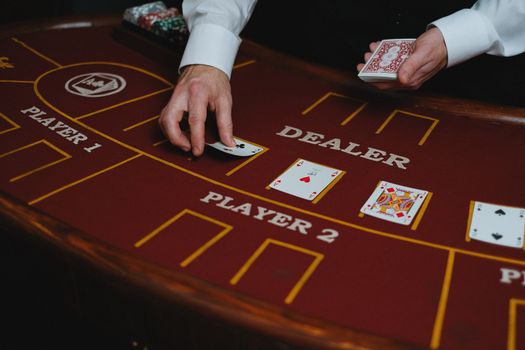
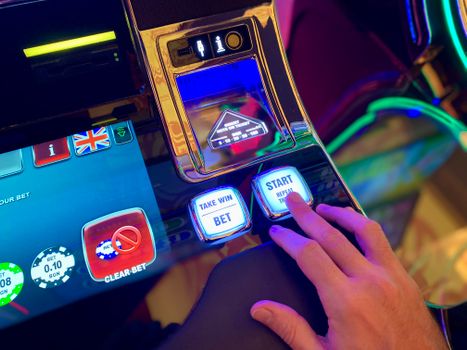
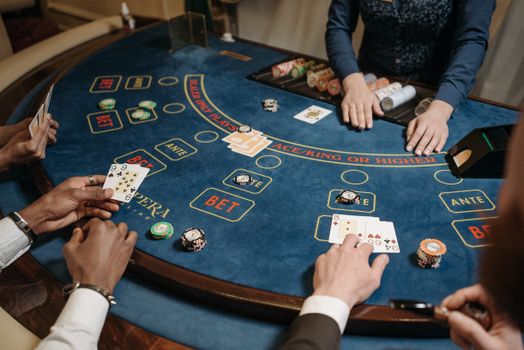
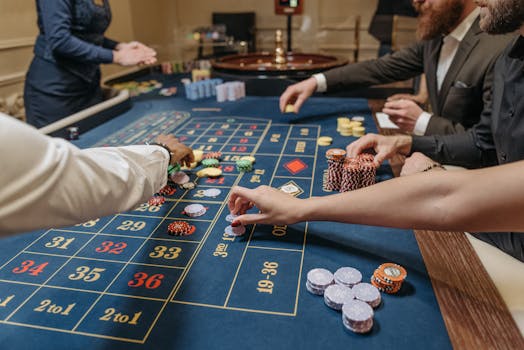
| Main Games | Pachinko, Hanafuda, Cho-han, Sugoroku | Poker, Roulette, Blackjack, Slot Machines |
| Legal Status | Generally prohibited, with exceptions (pachinko, lotteries, sports betting) | Legalized under strict regulations since 2016 |
| Target Audience | Primarily domestic, all ages | International tourists, adults (20+) |
| Economic Impact | ¥14 trillion (pachinko, 2022) | Expected ¥1-2 trillion annually (casino resorts forecast) |
| Social Concerns | Addiction, ties to yakuza, local entertainment | Addiction, tourism, regulatory oversight |
The Social Impact: Attitudes, Challenges, and Regulation
While Japan’s move toward modern casino resorts is driven by economic opportunity, it also faces significant social challenges. Historically, gambling has been viewed with suspicion, often associated with crime and social decay. The government’s approach has thus been cautious and regulatory.
Problem gambling is a serious concern. A 2017 survey by the Ministry of Health, Labour and Welfare estimated that about 3.2 million Japanese adults (roughly 3.6% of the population) showed signs of gambling addiction—one of the highest rates among developed countries. In response, Japan has introduced measures such as:
- Strict entry fees and visit limits for Japanese residents at casinos - Mandatory identity checks - Public campaigns to raise awareness of gambling addiction - Dedicated counseling and treatment centersAt the same time, the government hopes that high-profile integrated resorts will revitalize regional economies, create tens of thousands of jobs, and generate substantial tax revenues. For example, the Osaka IR project is projected to create over 15,000 direct jobs and draw up to 20 million visitors annually.
Technology and the Future of Gambling in Japan
As Japan embraces modern forms of gambling, technology plays an increasingly pivotal role. Digital innovation is transforming both traditional and emerging sectors:
- Online lotteries and digital horse racing platforms have expanded the reach of legal gambling. - Pachinko parlors are integrating cashless payment systems and AI-driven security to enhance player experience and compliance. - Casino resorts will feature advanced surveillance, facial recognition, and responsible gaming technologies.Moreover, Japan’s leadership in robotics, virtual reality, and digital entertainment is expected to give its integrated resorts a unique edge, blending cultural heritage with futuristic appeal. For example, some proposals include using VR to recreate historical Japanese games or hosting e-sports tournaments alongside casino gaming.
Final Reflections: The Journey from Tradition to Modernity in Japanese Gambling
Japan’s gambling landscape is a mirror of its broader societal transformation—rooted in centuries-old customs yet rapidly adapting to global trends and technological change. From the clandestine games of the Edo period to the brightly lit pachinko parlors and now the ambitious integrated resorts, Japan’s journey reflects both continuity and innovation.
As the country prepares to open its first legal casino resorts, it faces both opportunities and risks. The economic benefits could be immense, but only if balanced with effective regulation, social safeguards, and respect for cultural values. The coming years will show whether Japan can successfully bridge its rich traditions with the demands of modernity in the high-stakes world of gambling.