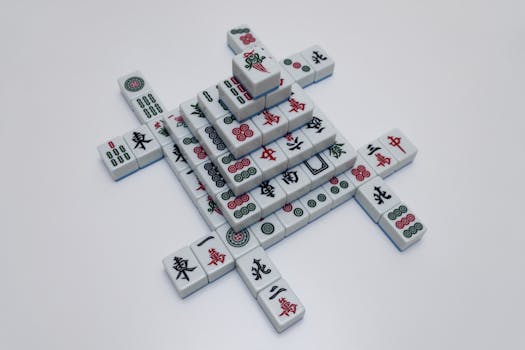
Mahjong, originally from China, has become a beloved cultural phenomenon in Japan, captivating players with its intricate strategies and engaging tile-based gameplay. This article delves into why Mahjong has achieved such immense popularity in Japan and how it has seamlessly integrated into the fabric of Japanese society.
Historical Roots and Cultural Integration
Mahjong made its way to Japan in the 1920s and quickly captured the hearts of many, evolving into a favorite leisure activity across various demographics. The game is celebrated for its blend of skill, strategy, and luck, offering a stimulating yet entertaining experience.
.png)
Social Interaction: A Key Appeal
A significant reason for Mahjong's widespread appeal in Japan is its social nature. In a culture where work often takes precedence, Mahjong provides a cherished escape, facilitating relaxation and bonding among friends and family. Played typically by four individuals, it fosters a sense of community and fellowship, crucial for relaxation and social interaction outside of professional life.
Media Influence
Mahjong's integration into Japanese culture is also perpetuated through its presence in media and entertainment. Popular manga and anime that feature Mahjong, such as "Akagi" and "Saki," portray the game in high-stakes, dramatic scenarios that attract viewers and encourage them to engage with the game. This representation in media not only maintains interest in Mahjong but also attracts a broader, younger audience.
The Competitive Edge
The competitive scene in Japan further underscores the game’s popularity. With professional leagues like the Japan Professional Mahjong League (JPML) and numerous annual tournaments, Mahjong is more than just a pastime—it’s a pursuit of skill and strategic prowess. This competitive aspect not only enhances the game's appeal but also pushes players to develop innovative strategies and gameplay styles.
Cognitive Benefits
From an educational perspective, Mahjong offers significant cognitive benefits. It challenges players to remember tiles and strategize based on opponents' moves, potentially improving memory and decision-making skills. This transforms Mahjong from mere entertainment to a beneficial cognitive exercise.
Technological Advancements and Accessibility
The rise of online gaming has propelled Mahjong beyond traditional boundaries, enabling players worldwide to connect and compete. Digital platforms offer virtual Mahjong rooms for practice, tournaments, or casual play, making the game more accessible and continually popular.
Mahjong Parlors: Cultural Hotspots
In Japan, Mahjong parlors are ubiquitous and provide a dedicated space for enthusiasts to indulge in their hobby. Equipped with automatic tables that shuffle and organize tiles, these parlors enhance the playing experience, making Mahjong both faster and more enjoyable. The unique culture of these parlors, combined with their hospitality, makes them a favored choice among both casual and serious players.
Conclusion
Mahjong's popularity in Japan is a complex, multi-layered phenomenon. It transcends being merely a game; it is a cultural staple that provides social bonding, competitive thrill, and cognitive stimulation. Whether it's through physical tiles at a family gathering, an intense anime sequence, or a spirited tournament in a parlor, Mahjong remains a pivotal aspect of Japanese entertainment and culture. As it continues to evolve with technological and media advancements, Mahjong's influence and prevalence in Japan are set to expand, captivating future generations and maintaining its status as a beloved national pastime.