Pachinko, often dubbed the unofficial national pastime of Japan, is a fascinating blend of entertainment that combines the thrill of pinball, the allure of slot machines, and the engagement of an arcade game. This unique concoction has not only become a cultural staple but also a significant economic force in Japan. In this article, we delve into the history, mechanics, and cultural impact of Pachinko, shedding light on its enduring popularity and socio-economic implications.
Historical Background
Pachinko's roots can be traced back to the early 20th century, drawing inspiration from Western pinball machines. Adapted to suit Japanese tastes and spatial limitations, the first commercial Pachinko parlors sprang up in the 1920s. Since then, the game has undergone numerous transformations, evolving from a mechanical to an electronic form. Modern Pachinko machines feature advanced graphics and sound effects, enhancing the player's experience and maintaining the game's widespread appeal.
.png)
How Pachinko is Played
The basic premise of Pachinko is straightforward, yet captivating. Players buy numerous small steel balls which are then loaded into the machine. A knob allows players to control the launch speed of these balls onto a vertical playfield populated with pins and pockets. The primary objective is to capture as many balls as possible in these pockets, which can trigger a slot machine mechanism, offering further chances to win.
The Dual Appeal: Skill and Chance
What makes Pachinko particularly intriguing is its combination of skill and chance. While the path of the balls is largely governed by randomness, seasoned players can influence the game's outcome by manipulating the speed and trajectory of the balls. This dynamic interplay ensures that Pachinko remains both challenging and entertaining, appealing to a broad spectrum of players.
Economic Impact
The economic influence of Pachinko is immense. It is estimated that the industry generates revenues exceeding those of major gaming hubs like Las Vegas and Macau. With thousands of parlors across Japan, Pachinko is a major employer and contributes significantly to local and national economies through job creation and tax revenues.
Cultural Significance
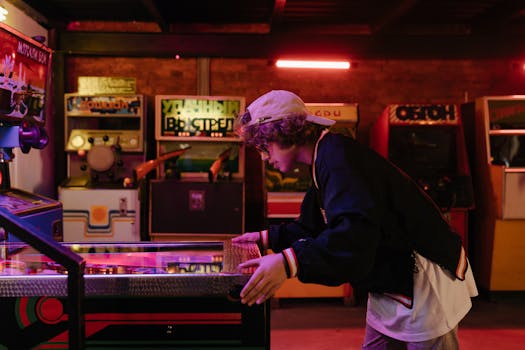
Beyond its economic impact, Pachinko parlors play a crucial role in Japanese social life. They serve as communal spaces where individuals can relax, socialize, and escape the routine of daily life. The vibrant and energetic atmosphere of Pachinko parlors, with their bright lights and captivating sounds, adds a unique flavor to Japan's urban landscape.
Controversies and Regulations
Despite its popularity, Pachinko is not without its controversies, primarily concerning gambling addiction. The Japanese government has implemented various regulations to promote responsible gaming. These include limiting operational hours and mandating breaks for players, aiming to mitigate the game's potentially harmful effects.
The Future of Pachinko
As Japan moves towards introducing legal casinos, the future of Pachinko could see significant changes. Some speculate that the new casinos might compete with Pachinko parlors, potentially diminishing their popularity. However, others believe this could drive innovation within the Pachinko industry, perhaps integrating more advanced technologies or developing new gaming concepts.
Conclusion
Pachinko's role in Japanese culture is multifaceted. It is not merely a form of entertainment but a social phenomenon that offers insights into the Japanese way of life and its economic landscape. Whether it continues to thrive in its traditional form or evolves in response to new challenges, Pachinko will undoubtedly remain a significant cultural and economic fixture in Japan.