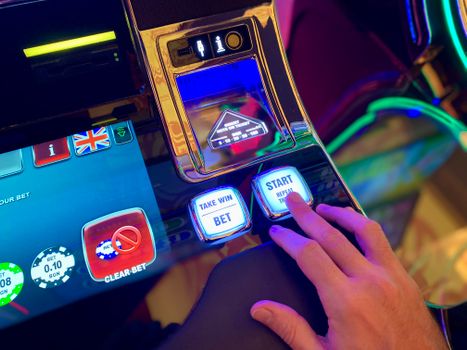
Japan has long been famous for its rich culture, technological prowess, and unique approach to entertainment. But in recent years, as global online gambling surges, industry experts and investors have started asking a provocative question: Is Japan poised to become the next big hub for online casinos? This question is not just about curiosity—it speaks to a potential seismic shift in the global online gambling landscape, with billions of dollars at stake.
This article uncovers the current status of online casinos in Japan, recent legal and economic developments, the unique features of the Japanese market, and how it compares with other established online gambling centers. We’ll also explore what’s fueling international interest in Japan as an emerging hotspot for digital gaming, and what the future might hold for players, operators, and policymakers alike.
The Evolution of Gambling Legislation in Japan
Japan’s relationship with gambling has always been complex and tightly regulated. Traditional forms of betting like pachinko, lotteries, and horse racing have been legal under specific exceptions. However, most casino-style gambling, especially online, has historically been banned under the Criminal Code.
.png)
That began to change in 2016, when the Japanese government passed the Integrated Resort (IR) Promotion Law. This law paved the way for the development of large-scale, Las Vegas-style resort casinos in select regions. While the focus was initially on physical casinos, the move opened the door to broader discussions about gaming regulation, including the possibility of online casino legalization.
In 2022, Japan took another significant step by granting the first casino license to Osaka, with projects projected to generate up to $4 billion in annual revenue once operational. Meanwhile, the pandemic-induced boom in digital entertainment further fueled discussions about regulating and potentially legalizing online casinos to capture lost tourism and tax revenue.
Despite these advancements, as of early 2024, online casinos remain technically illegal in Japan. However, enforcement against players is rare, and many Japanese users access international online casino platforms using digital payment solutions or cryptocurrencies. This gray area has created an enormous, largely untapped market that’s drawing the attention of global operators—and prompting speculation about full legalization in the near future.
Japan’s Online Casino Market: Size, Growth, and Unique Traits
Estimates suggest that Japan’s online gambling market is already sizable, even without formal regulation. According to Statista, the Japanese online gambling sector had a market value of approximately $6.7 billion in 2023, with annual growth expected to exceed 7% through 2027. Of that, online casino games account for a growing share, rivaling more traditional forms of betting like sports wagering and lotteries.
What makes the Japanese online casino market particularly intriguing are its unique consumer habits and technological strengths:
- Around 75% of Japanese adults own smartphones, making mobile gaming the dominant mode of access. - Japanese players tend to favor games with skill elements (such as poker and baccarat) and games that incorporate anime, pop culture, or unique visual themes. - Payment preferences are distinct: e-wallets, prepaid cards, and increasingly, cryptocurrencies are used to maintain privacy and circumvent banking restrictions. - Social gaming and “gacha” mechanics (akin to loot boxes) are popular, influencing online casino game design.These factors make Japan a potentially lucrative and innovative market for online casino operators, especially those willing to localize content and adapt to Japanese tastes.
Comparing Japan With Other Global Online Casino Hubs
To understand Japan’s potential as a future online casino powerhouse, it helps to compare its current status with other leading jurisdictions such as the United Kingdom, Malta, and Macau. Here’s a data-driven overview:
| Country/Region | Online Casino Legal Status | Market Size (2023, USD) | Annual Growth Rate | Unique Features |
|---|---|---|---|---|
| Japan | Gray area (unregulated, but widely accessed) | $6.7 billion | 7%+ | Mobile-first, anime/pop culture themes, strong tech adoption |
| United Kingdom | Fully regulated | $14.2 billion | 4.6% | Strict licensing, consumer protection, diverse offerings |
| Malta (EU) | Regulated, major licensing hub | $2.7 billion | 5.5% | International operators, tax incentives, EU access |
| Macau | Land casinos legal, online mostly restricted | $17.2 billion (land-based) | Rebounding post-pandemic | Luxury resorts, high-roller focus |
Japan stands out for its high digital engagement and untapped scale, even without a formal regulatory framework. Should legalization occur, analysts predict the market could double in size within five years, potentially placing Japan among the world’s top three online casino markets.
Tech Innovation and the Japanese Online Casino Experience
Japan is a global leader in both technology and gaming culture, which uniquely positions it to redefine the online casino experience. Several trends point to how Japanese innovation could set new standards:
- $1: Japan’s gaming industry is already pioneering VR and AR, with companies like Sony and Capcom at the forefront. Online casinos could leverage these technologies to offer fully immersive, interactive gambling environments. - $1: Japanese entertainment often blends genres—think of rhythm games mixed with RPG elements. Online casinos in Japan are likely to incorporate gamification, interactive storylines, and even live-streamed gaming tournaments. - $1: Japan is among the world’s top cryptocurrency markets, with over 3.5 million active crypto users as of 2023. This makes crypto-based online casinos particularly attractive, offering anonymous, fast, and secure transactions. - $1: With over 93% of internet users accessing the web via mobile, Japanese online casinos will likely prioritize optimized mobile interfaces, instant-play options, and in-app promotions.These factors suggest that Japan’s entry into the regulated online casino market could set new industry benchmarks, influencing global trends in game design, payment options, and user engagement.
Regulatory Hurdles and Social Concerns
Despite the remarkable market potential, there are significant barriers to Japan’s emergence as a regulated online casino hub:
- $1: The Japanese government remains cautious, wary of the social impacts of gambling expansion. Any movement toward full legalization will require complex legislative changes and the establishment of a robust regulatory framework. - $1: Gambling addiction remains a sensitive topic in Japan, with cultural stigma and public health concerns frequently cited in policy debates. Policymakers are likely to demand strong consumer protections, exclusion programs, and responsible gaming measures. - $1: The structure of taxes, licensing fees, and revenue sharing between operators and government will be a key issue. Lessons from the UK and Malta suggest that clear, competitive frameworks are essential to attract reputable operators. - $1: Japan’s appeal is high, but established hubs like the UK and Malta have a head start. Japan will need to balance market access with effective oversight to avoid pitfalls seen elsewhere, such as money laundering or insufficient player protections.These challenges are not insurmountable, but they will require thoughtful, Japan-specific solutions if the country is to realize its potential as an online casino center.
What’s Next for Japan and Online Casinos?
Japan sits at a crossroads. The economic incentives for legalizing and regulating online casinos are substantial: experts estimate potential annual tax revenues of $1.5 to $2 billion, not to mention job creation and technology exports. International operators are already investing in Japanese-language platforms and partnerships, anticipating a regulatory breakthrough.
Yet, Japan’s progress will likely be incremental rather than sudden. The rollout of integrated resorts is being closely watched as a bellwether for public acceptance and regulatory evolution. Meanwhile, the government continues to study international best practices, aiming to craft a uniquely Japanese approach that balances innovation, consumer protection, and social responsibility.
For players, this means a growing array of options—and a high probability that Japan will soon offer regulated, world-class online casino experiences. For the global online gambling sector, all eyes are on Tokyo and Osaka, waiting to see if Japan will indeed become the next major hub.