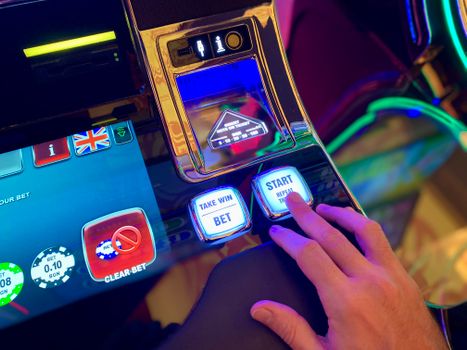
Japan’s gambling market has long been unique, balancing strict regulations with a deep-rooted gaming culture. With the rise of digital currencies, a new chapter is unfolding—one where cryptocurrency is reshaping how gamblers play, pay, and interact with betting platforms. While Japan is known for its innovative technology adoption, the intersection of cryptocurrency and gambling introduces both opportunities and challenges. This article explores how cryptocurrencies are impacting Japan’s gambling sphere, the regulatory reaction, the advantages and risks, and what the future might hold for this dynamic convergence.
The Rise of Cryptocurrency in Japan
Japan is a global leader in cryptocurrency adoption. According to the Japan Virtual and Crypto Assets Exchange Association (JVCEA), by 2023, there were over 5 million cryptocurrency accounts registered in the country. Major exchanges like bitFlyer and Coincheck operate under strict government oversight, ensuring security and transparency. Japan was also one of the first countries to officially recognize Bitcoin as a legal method of payment in 2017.
This progressive stance has fostered widespread public awareness and trust in digital currencies. Approximately 11% of Japan’s adult population owns some form of cryptocurrency, a figure that surpasses many other developed nations. As such, the technical infrastructure and public familiarity with crypto have set the stage for its emergence within the gambling industry.
.png)
How Cryptocurrency Is Changing Japan’s Gambling Landscape
Traditionally, Japan’s legal gambling options are limited to activities such as horse racing, pachinko, lotteries, and certain sports betting. However, a significant portion of gambling activity in Japan occurs online, often through offshore platforms. These sites, many of which now accept cryptocurrencies, are attracting Japanese players seeking privacy, convenience, and access to a broader range of games.
Cryptocurrency introduces several key changes to the gambling experience:
1. $1: Unlike traditional payment methods, cryptocurrencies like Bitcoin or Ethereum allow users to gamble with minimal personal information, appealing to players concerned about privacy. 2. $1: Crypto makes it easier for Japanese users to access offshore gambling platforms without dealing with currency exchange fees or banking restrictions. 3. $1: Blockchain-based payments are often processed within minutes, compared to the days it can take for standard bank transfers. 4. $1: Many crypto gambling sites use blockchain technology to prove game fairness, which can enhance trust among tech-savvy Japanese players.Regulatory Response: Challenges and Adaptation
Japan’s approach to gambling regulation is strict. The country’s Casino Act of 2016 legalized integrated resorts but with heavy oversight, while most forms of online gambling remain technically illegal under the Criminal Code. However, enforcement is challenging, especially for offshore and decentralized crypto gambling platforms.
The Financial Services Agency (FSA) oversees cryptocurrency exchanges, requiring them to register, maintain security protocols, and monitor for money laundering. But when it comes to crypto gambling, the borderless, anonymous nature of blockchain complicates oversight.
In 2021, the FSA issued warnings to several foreign crypto gambling operators targeting Japanese users. However, the rapidly evolving nature of both crypto and online gambling means that regulations often lag behind technological innovation. As a result, authorities are focusing on public education and cooperation with international regulators to mitigate risks.
Advantages and Opportunities for Players and Operators
The integration of cryptocurrency into Japan’s gambling market offers tangible benefits for both players and gambling operators:
- $1: Over 80% of Japanese consumers use mobile devices for gaming and payments. Cryptocurrencies fit seamlessly into this mobile-first ecosystem, allowing instant deposits and withdrawals. - $1: Traditional gambling sites often charge high fees for credit card or bank transactions. Crypto payments can be significantly cheaper, sometimes incurring fees as low as 0.1% compared to up to 3% for credit cards. - $1: Players can easily access international crypto casinos, expanding their options to thousands of games unavailable on domestic sites. - $1: Blockchain-based “provably fair” games and decentralized autonomous casinos offer new ways to gamble, attracting a younger, tech-enthusiastic audience.For operators, accepting cryptocurrency can open up the Japanese market with fewer payment barriers and reduced fraud risk due to blockchain transparency.
Risks and Concerns: Security, Problem Gambling, and the Law
Despite its promise, the fusion of cryptocurrency and gambling in Japan is not without risks:
- $1: Japanese law is clear about domestic online gambling, but offshore crypto casinos often operate in a legal gray zone. Players risk losing funds or facing legal consequences. - $1: Cryptocurrencies are notoriously volatile. A gambler’s winnings can lose value overnight if crypto prices fall. For example, Bitcoin dropped 65% in value between November 2021 and November 2022. - $1: While blockchain is secure, crypto wallets and exchanges have been targeted by hackers. In 2018, Coincheck lost $530 million in a major breach, impacting thousands of Japanese users. - $1: Easy, anonymous access to gambling can exacerbate addiction issues. Crypto’s instant transactions and lack of oversight can make it harder for individuals to self-regulate.Comparing Traditional and Crypto Gambling in Japan
To better understand the differences and potential impacts, here’s a side-by-side look at traditional vs. crypto gambling for Japanese players:
| Aspect | Traditional Online Gambling | Crypto Gambling |
|---|---|---|
| Payment Methods | Credit card, bank transfer, e-wallets | Bitcoin, Ethereum, other cryptocurrencies |
| Transaction Speed | 1-5 business days | Minutes to hours |
| Fees | 2-3% per transaction | 0.1-1% per transaction |
| Privacy | Requires ID and banking info | Pseudonymous, minimal personal info |
| Legal Risk | High for offshore sites | High for offshore crypto casinos |
| Game Selection | Limited by regulation | Wide, global access |
| Security | Bank-level, but card fraud risk | Blockchain-based, risk of hacks/wallet loss |
The Future of Crypto and Gambling in Japan
As Japan continues to modernize its gambling regulations and digital infrastructure, the role of cryptocurrency is likely to expand. According to a 2023 survey by Statista, 18% of Japanese online gamblers expressed interest in using crypto for future betting.
Several trends are emerging:
- $1: There is ongoing debate in the Diet (Japan’s parliament) about updating gambling laws to address online and crypto gambling. While full legalization is unlikely in the near term, there may be moves toward regulated, tax-compliant crypto gaming platforms. - $1: Japanese tech companies are developing blockchain-based gaming solutions, including provably fair slot games and NFT-based betting. - $1: Blockchain could enable better tracking and self-exclusion systems, helping address problem gambling. - $1: Japanese operators are partnering with international crypto casinos to offer hybrid models that comply with local laws while providing crypto payment options.The balance between innovation, regulation, and player protection will shape how cryptocurrency ultimately impacts Japan’s gambling market.
Crypto and Gambling: A Transformative Force in Japan’s Betting Scene
Cryptocurrency is undeniably changing the fabric of Japan’s gambling market, offering players faster, more private, and global gaming experiences. While legal and social challenges remain, the convergence of crypto and gambling is accelerating thanks to Japan’s tech-forward culture and appetite for innovation. As regulation catches up with technology, the future will likely see a more structured and safer environment for both players and operators, ensuring that the benefits of this new era are realized while minimizing its risks.