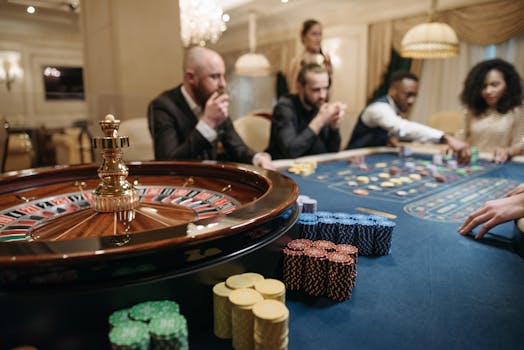
Japan's casino culture, historically characterized by its conservative gambling laws, is on the brink of a transformative phase. The country's recent move towards establishing integrated resorts (IRs) is set to revolutionize the gambling scene, blending the traditional with the modern in unique ways. Here’s what you need to know about the evolving casino culture in Japan.
Introduction to Casino Culture in Japan
For a long time, Japan has had a stringent approach to gambling, with only certain forms of betting deemed legal. Traditional options like pachinko parlors, which operate in a grey area between leisure activity and gambling, and government-controlled sports betting on races have been the extent of legal gambling. However, the landscape is changing with the government's approval of integrated resorts that include casinos, aiming to enhance tourism and economic growth.
.png)
Historical and Modern Approaches to Gambling
In Japan, the historically permitted forms of gambling have included pachinko, horse racing, bicycle racing, and powerboat racing, all regulated under specific government guidelines. Pachinko, in particular, has been a staple of Japanese entertainment, functioning similarly to slot machines but categorized under amusement games to circumvent strict gambling laws.
The Emergence of Integrated Resorts (IRs)
The concept of integrated resorts in Japan is designed not just to introduce casinos but to create a multifaceted entertainment complex combining hotels, conference facilities, and entertainment arenas. These are expected to attract international tourists and business travelers, significantly boosting the local economy.
Pros and Cons of Integrated Resorts
The introduction of integrated resorts comes with its set of advantages and disadvantages. On the positive side, these complexes are anticipated to create numerous jobs, increase tax revenues, and elevate the tourism profile of regions like Yokohama, which is already a proposed site for one of these resorts. On the downside, concerns about gambling addiction and its consequent social issues, as well as potential impacts on local businesses and communities, are prompting critical discussions.
Practical Examples
Yokohama is a prime candidate for hosting an integrated resort due to its proximity to Tokyo and existing tourist infrastructure. The government and developers argue that such a strategic location can maximize both economic benefits and international appeal.
Conclusion and Recommendations
As Japan navigates this pivotal expansion in its gambling industry, it’s crucial for all stakeholders, including policymakers, business leaders, and citizens, to balance the economic incentives with the social implications. For tourists and locals alike, understanding this evolving landscape and participating responsibly will be essential.
In summary, Japan's gradual embrace of casino culture through integrated resorts presents a dynamic fusion of opportunity and challenge, making it a fascinating time for both economic observers and cultural participants alike.