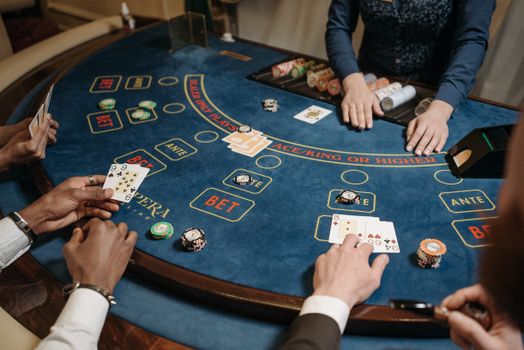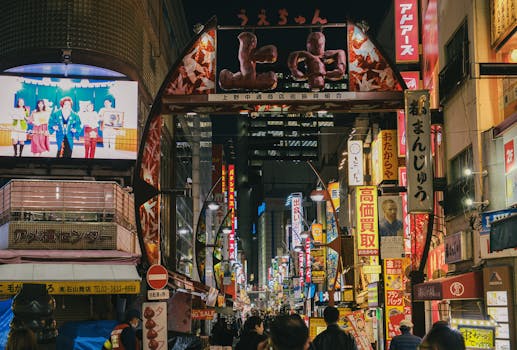
Japan’s relationship with gambling is complex, reflecting a delicate balance between cultural norms, legal restrictions, and modern economic ambitions. As one of Asia’s largest economies, Japan’s regulatory approach stands out for its conservatism and unique legal patchwork. This comparative study delves deep into the gambling regulations in Japan, exploring how they stack up against other nations, how history and culture have shaped policy, and what the future may hold as international trends sweep across the region.
The Historical Context of Gambling Regulations in Japan
Japan’s regulatory stance on gambling is deeply rooted in its history. Gambling has existed in some form since the Edo period (1603–1868), often associated with social entertainment and, at times, criminal activity. The modern legal framework began to emerge during the post-war era with the introduction of the Criminal Code of Japan in 1907, which made most forms of gambling illegal.
However, the Japanese government carved out exceptions for certain activities, notably public sports betting (keiba for horse racing, keirin for cycling, and others), lotteries (takarakuji), and the hugely popular pachinko parlors. Pachinko, a pinball-like game, operates in a legal gray area, as it is technically categorized as amusement rather than gambling and prizes are exchanged for cash at separate, nearby establishments.
.png)
A significant statistic: According to the Japan Productivity Center, the pachinko industry alone generated nearly ¥14.6 trillion (about $135 billion USD) in revenue in 2022, dwarfing the combined casino revenue of Las Vegas and Macau. Despite this, most casino-style gambling remains strictly prohibited under Japanese law.
Modern Legal Framework: What’s Allowed and What’s Not
Japan’s gambling regulations can be categorized into three main sections:
1. $1: The Criminal Code (Article 185 and 186) explicitly bans gambling, defining it as “betting or gambling on the outcome of chance events.” Violation can result in fines or up to three years of imprisonment. 2. $1: The government permits certain “publicly managed” gambling activities for the purpose of raising public funds: - Horse racing (keiba) - Bicycle racing (keirin) - Motorboat racing (kyotei) - Motorcycle racing (auto race) - Lotteries (takarakuji) - Football pools (toto) 3. $1: While not officially classified as gambling, pachinko parlors operate under amusement business regulations, allowing players to exchange prizes for cash off-site.In 2016, Japan took a major step with the Integrated Resort Promotion Law, setting the stage for legal casino resorts. The first licenses are expected to be awarded in the late 2020s, with Osaka leading the way for Japan’s inaugural integrated resort set to open around 2029.
Japan vs. The World: Comparative Gambling Regulation
How does Japan’s tightly controlled approach compare with other major gambling jurisdictions? The table below contrasts key elements of gambling regulation across Japan, Singapore, the United Kingdom, and the United States (Las Vegas and Macau as international benchmarks).
| Country/Region | Legal Status | Main Legal Forms | Casino Industry Revenue (2022, USD) | Age Restrictions |
|---|---|---|---|---|
| Japan | Highly restricted; exceptions for public sports and pachinko | Keiba, keirin, kyotei, takarakuji, pachinko | Approx. $135B (pachinko), $0 (casinos) | 20+ |
| Singapore | Legal, tightly regulated | Casinos, sports betting, lottery | $4.5B | 21+ |
| United Kingdom | Legal, regulated | Casinos, betting shops, online gambling, lottery | $17.3B | 18+ |
| USA (Las Vegas) | State-regulated; legal in certain states | Casinos, sports betting, lottery | $8.3B (Las Vegas Strip) | 21+ |
| Macau | Legal, regulated | Casinos, sports betting | $22.7B | 21+ |
Japan’s regulatory framework is among the strictest of major economies, with only a fraction of the gambling options available in Western countries or in Asian hubs like Macau and Singapore. The vast revenue of pachinko underscores that “gambling” can flourish even within strict regulatory environments when cultural and legal loopholes exist.
Public Policy and Social Considerations
The strict stance on gambling in Japan is not only a legal matter but also a reflection of social and cultural priorities. Historically, gambling has been associated with organized crime, particularly the yakuza. This association, along with concerns over addiction, has shaped a cautious approach.
Public opposition to casino legalization has been strong. In a 2018 Nikkei survey, 53% of respondents opposed introducing casino resorts, citing fears of increased crime and gambling addiction. The government’s solution has been to include strict safeguards in new casino legislation, such as: - Limiting Japanese citizens’ entry to casino resorts to three times per week or ten times per month. - Charging a ¥6,000 (about $55 USD) entry fee for local residents to discourage problem gambling. - Implementing facial recognition systems to enforce entry restrictions.Japan also established the Basic Act on Gambling Addiction Countermeasures in 2018, mandating educational programs, support centers, and research into addiction. Treatment clinics and public awareness campaigns have since increased, reflecting a shift toward harm reduction.
The Integrated Resort Era: A Turning Point?
The 2016 Integrated Resort (IR) Promotion Law and the subsequent IR Implementation Law in 2018 marked a significant change in policy. These laws allow for the construction of up to three large-scale casino resorts, aiming to boost tourism and regional economies.
Key features of Japan’s IR model include: - Foreigners as the primary target market, with strict local access controls. - Integration of hotels, conference centers, entertainment, and shopping with casinos. - Stringent anti-money laundering and responsible gambling measures. - Strict vetting of operators to avoid ties to organized crime.The Osaka IR, backed by MGM Resorts and Orix, is expected to open in 2029 at a cost of approximately $10 billion. The resort aims to attract 20 million visitors annually, generating an estimated $4.2 billion in annual revenue. While the IR model borrows from Singapore’s success, Japan’s regulations are even tighter, reflecting local sensitivities.
Online Gambling: A Grey Zone
Online gambling in Japan exists in a legal gray area. Technically, placing bets with overseas operators is illegal under the Criminal Code, but enforcement is sporadic. Japanese citizens can access offshore betting sites for poker, sports, or casino games, but these platforms operate outside the protection of Japanese law.
In recent years, there have been calls for clearer online gambling regulations. According to a 2021 report by the Japan Online Gaming Association, the online gambling market was estimated at ¥1.1 trillion ($10 billion USD), with most activity occurring on offshore sites. This exposes Japanese players to risks such as lack of consumer protection and potential legal consequences.
Meanwhile, the government has focused on shutting down illegal Japanese-language betting sites and warning citizens about the risks. However, with the global shift toward regulated online gambling, there is increasing pressure for Japan to revisit and clarify its stance.
Future Prospects and Global Implications
Japan’s gambling regulations are at a crossroads. On the one hand, the country has preserved its traditional caution, with tight controls and a focus on social welfare. On the other, the move toward integrated resorts and the rise of digital gambling suggest a gradual opening to new models.
Key trends to watch include: - The impact of integrated resorts on local economies and public attitudes. - Ongoing debates about legalizing and regulating online gambling. - Potential for further loosening of restrictions as Japan faces economic and demographic pressures, especially with declining population and the need to boost tourism.The evolution of Japan’s gambling regulations will not only affect domestic players and businesses but also influence global gaming operators and Asian gambling markets. As the world’s third-largest economy, Japan’s choices will be closely watched by regulators, investors, and advocates worldwide.