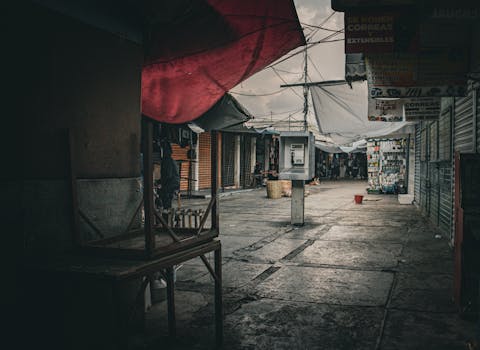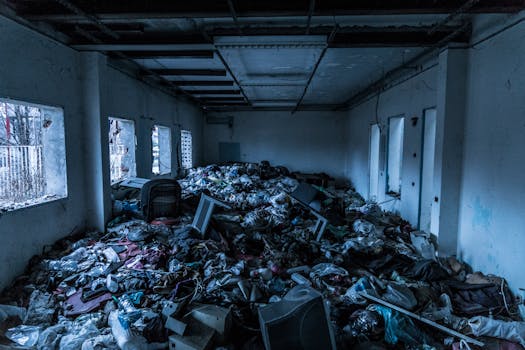
The global pandemic has indeed left a significant mark on numerous industries worldwide, and Japan's burgeoning gambling sector, especially with its recent legalization of casino resorts, known as "Integrated Resorts" (IRs), faced a particularly tough challenge. As Japan moves towards a post-pandemic recovery, there's a growing curiosity about whether its gambling industry can bounce back.
Japan's strategic move to legalize IRs prior to the pandemic was seen as a promising avenue to boost tourism, create jobs, and drive economic growth. These complexes, intended to be more than just casinos, include hotels, conference facilities, and entertainment venues, aimed at attracting international visitors on a large scale. However, the pandemic-induced travel restrictions and health safety concerns have temporarily derailed these ambitious projects, delaying construction and causing investors to rethink their strategies.
The pandemic's impact on Japan's gambling sector extended beyond halted construction projects. The sharp decline in tourism, coupled with domestic apprehension towards crowded spaces, severely affected the industry's revenue streams. Yet, despite these setbacks, there are several indicators that Japan's gambling industry might not only recover but could potentially thrive in the coming years.
.png)
One of the strongest factors in favor of this recovery is the continued governmental support for the IR initiative. The Japanese government views these resorts as pivotal to long-term economic strategies, especially for revitalizing less-developed areas and enhancing overall tourism. Legislative and regulatory efforts are being rigorously pursued to ensure the successful implementation and operation of IRs across the country.
Japan's relatively effective management of the pandemic, characterized by lower infection and fatality rates compared to other nations, plays a crucial role in rebuilding trust and confidence among potential tourists and investors. This is essential for the gradual recovery of the tourism sector, including gambling tourism.
Additionally, there is likely to be a significant pent-up demand for travel and leisure activities globally. As vaccination rates increase and international borders reopen, Japan could witness a surge in visitors. The country's rich cultural heritage and advanced infrastructure make it an attractive destination, not just for general tourism but also for gambling enthusiasts.
The anticipation surrounding the 2025 World Expo in Osaka adds to this optimistic outlook. With one of the IRs set to open in Osaka, this global event could significantly boost the local economy and, by extension, the gambling industry. The Expo is expected to draw visitors from around the world, providing an excellent opportunity for Japan to showcase its new gambling facilities.
However, the path to recovery is strewn with challenges. Social opposition to gambling in Japan, rooted in concerns over addiction and moral decay, remains a significant hurdle. Addressing these concerns through responsible gambling initiatives and public awareness campaigns will be crucial for gaining broader acceptance of IRs.
Moreover, competition from established gambling hubs like Macau and Singapore could divert potential visitors. Japan will need to differentiate its offerings and leverage its unique cultural and technological advancements to attract a global audience.
In conclusion, while the pandemic has indeed set back Japan's gambling industry, the foundation for a robust recovery has been laid. With steadfast government support, strategic marketing, and an emphasis on safe and responsible tourism, Japan's gambling industry is poised not just to recover but to set new benchmarks in the global tourism and leisure landscape. The ultimate success of this endeavor will hinge on a balanced approach that carefully weighs economic aspirations against public health imperatives and social responsibilities.