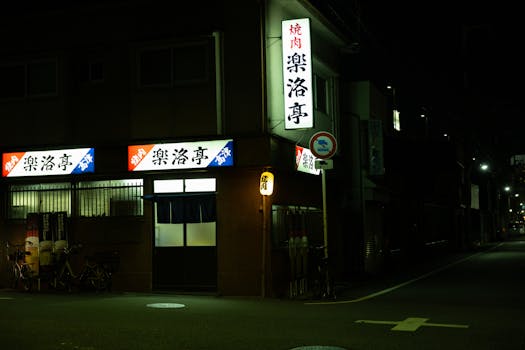
The underground gambling scene in Japan offers a stark contrast to the tightly regulated forms of legal betting allowed in the country. This hidden sector not only reflects the complexities of Japanese attitudes towards gambling but also highlights the challenges faced by the government in curbing activities that have historical and cultural roots.
Legal vs. Illegal Gambling in Japan
In Japan, legal gambling options are quite limited. The government permits wagering on a few select public sports and the operation of pachinko parlors, which exist in a quasi-legal state. The legal framework is designed to prevent the social issues commonly associated with gambling. However, this has led to the proliferation of an underground gambling scene, which offers games and experiences not available through sanctioned avenues.
.png)
The Role of the Yakuza
The involvement of the Yakuza in illegal gambling is perhaps one of the most troubling aspects of the underground scene. These organized crime groups have long been associated with the operation of illicit gambling dens, which are often hidden from public view and can be dangerous for patrons due to the criminal elements involved. The Yakuza’s role in these activities complicates law enforcement efforts and poses significant challenges for authorities aiming to crack down on illegal gambling.
Cultural Significance and Popularity
The persistence of gambling in Japan, despite its restricted legal status, can be attributed to its deep historical and cultural significance. From the popular lottery games of the Edo period to contemporary pachinko parlors, gambling has been a longstanding leisure activity. The underground casinos cater to this ingrained cultural affinity by providing a familiar yet illicit opportunity to gamble.
Government Efforts and Future Prospects
The Japanese government has recognized the potential economic benefits of gambling and has begun to relax some restrictions, most notably with the planned introduction of integrated resorts. These facilities are intended to attract international tourists and generate significant revenue. However, it's unlikely that these legal venues will completely replace the underground scene, which offers both a different atmosphere and more accessible stakes for local gamblers.
Community and Identity
Underground gambling dens often provide a sense of community and identity that might be lacking in the more corporate environment of legal casinos. For many regular patrons, these places offer a social context that is integral to their personal and social lives. This aspect of underground gambling is often overlooked but is crucial in understanding its persistence and popularity.
Conclusion
The underground gambling scene in Japan is a complex issue that encapsulates the conflict between traditional cultural practices and modern legal frameworks. While the government continues to navigate this challenging landscape, the enduring popularity of illegal gambling venues suggests that this issue will remain a significant part of Japan's social and cultural fabric. As Japan moves forward, striking a balance between regulation and respect for traditional practices will be key in shaping the future of gambling in the country.