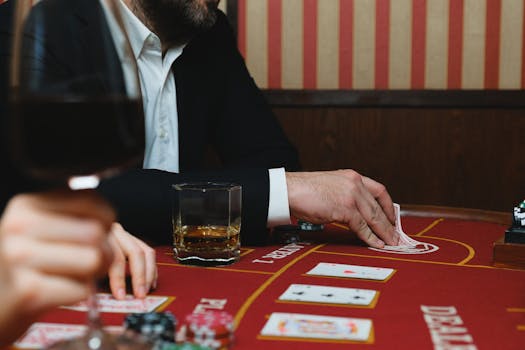
Gambling addiction in Japan is a multifaceted issue, deeply entrenched in cultural norms, economic pressures, and psychological mechanisms. Despite stringent gambling regulations, the prevalence of pachinko parlors and the recent legalization of casinos signal a growing concern regarding gambling addiction within the country.
Cultural Influence and the Pachinko Phenomenon
In Japan, gambling activities like pachinko are widely accepted and integrated into daily life. Pachinko parlors, found across the nation, are not legally classified as gambling but rather as entertainment despite the monetary involvement similar to slot machines. This classification and cultural acceptance obscure the potential risks and often mask the seriousness of gambling addiction.
.png)
Economic Pressures and the Lure of Quick Wealth
Japan's societal structure places a high value on success and economic prosperity. For many, gambling presents a swift path to financial achievement, particularly appealing to those facing economic hardship or job insecurity. The possibility of a significant win offers not only potential financial relief but also a temporary status elevation, intensifying the allure of gambling.
Psychological Dynamics in Gambling Addiction
The gambler’s fallacy is notably prevalent among those with a gambling addiction. This fallacy is the mistaken belief that one is "due" for a win following a series of losses, a misconception that can lead to persistent gambling behaviors. Additionally, the unpredictable nature of gambling wins triggers dopamine releases in the brain, reinforcing the gambling activity and making the experience intensely gratifying.
The Role of Escape in Gambling
For many Japanese, gambling also serves as an escape mechanism from the high demands and stress of everyday life, including long work hours and societal pressures. The temporary reprieve provided by gambling can be compelling, making it a seductive activity that can easily lead to addiction.
Government Initiatives and Future Challenges
Recognizing the risks associated with increased gambling activities, the Japanese government has initiated measures to curb gambling addiction. These include the establishment of support centers and public education campaigns aimed at highlighting the dangers of excessive gambling. However, these efforts need to be sustained and robust to counteract the strong psychological impacts and the deep-rooted cultural acceptance of gambling.
Conclusion
The complexities of gambling addiction in Japan are influenced by a unique interplay of cultural acceptance, economic motives, and psychological factors. As Japan navigates the challenges posed by the integration of more formal gambling establishments like casinos, recognizing and addressing these underlying issues will be crucial. Effective intervention strategies and ongoing preventive measures will be essential in managing and mitigating the risks of gambling addiction in Japan.